Tom Jeffords was the frontiersman who became a friend of the Apache leader Cochise, helped bring about the 1872 peace with the Chiricahua Apache and served as their agent. Later he mined and traded around Tombstone and the Huachuca Mountains.
If you’re from the older generations, or you like watching old Western reruns, you may know him from the TV show Broken Arrow. Here is the real story of his life.
Who Was Tom Jeffords?
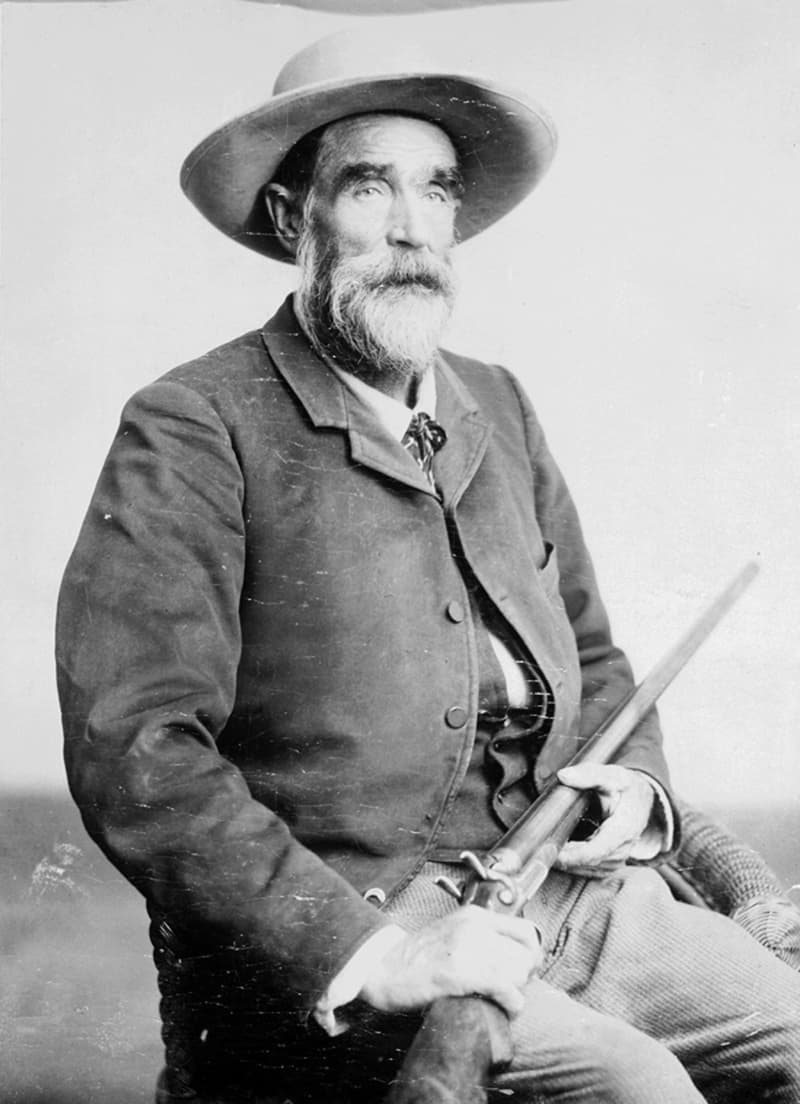
Thomas Jefferson Jeffords was born on New Year’s Day 1832 in Chautauqua County, in western New York. The gold rush drew him west in 1859, when he was 27: first to Pikes Peak in Colorado, then to New Mexico and Arizona.
He was usually called Captain Jeffords, because he had been a ship’s captain on the Great Lakes before moving west. The title stayed with him for life.
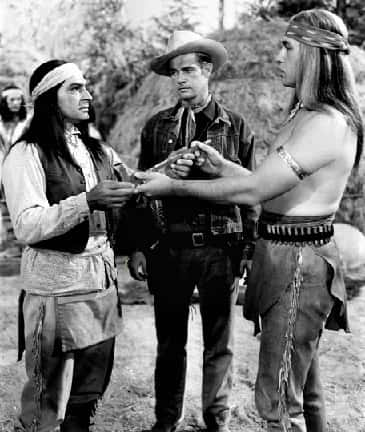
Tom Jeffords in Broken Arrow
Jeffords was a main character in the TV show Broken Arrow, which ran on ABC in prime time from 1956 to 1958, with 72 half-hour episodes. The show came from the 1950 movie of the same name starring James Stewart as Jeffords, which was based on Elliott Arnold’s 1947 novel Blood Brother.
Courier and Scout
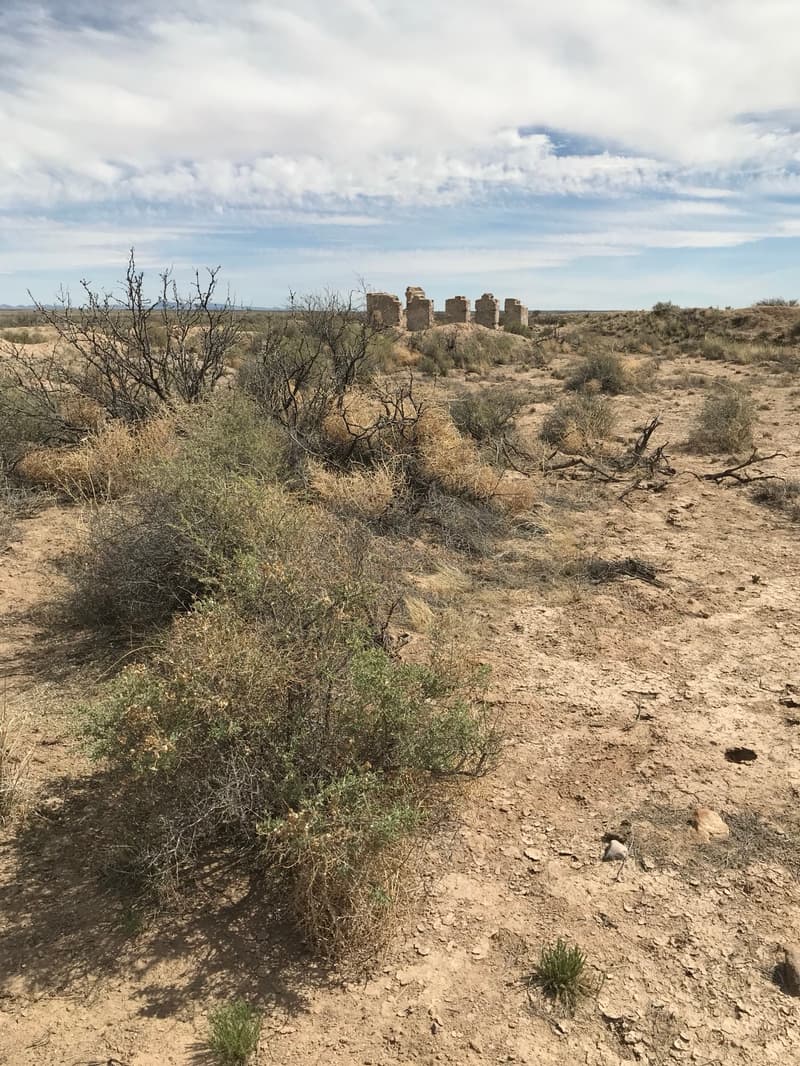
In New Mexico, he was recruited at Fort Craig to carry Union messages during the Civil War. That led to scouting for the California Column in 1862 as it made its way through Arizona.
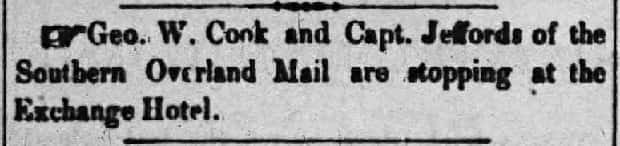
From 1867 to 1869 Jeffords ran the mail line between Tucson, Arizona, and Socorro, New Mexico. By his own account he met Cochise during this time and arranged safe passage for his riders. Whether or not it happened that way, he later knew Cochise’s character well enough to be a trusted negotiator, and he had learned to speak Apache.
Tom Jeffords, Friend of Cochise
In 1872 President Grant sent General Oliver O. Howard to make peace with the Apache. Howard asked Jeffords to arrange talks with Cochise. Jeffords knew Howard’s reputation and believed he was a man of principle, so he was willing to lead him to Cochise’s camp in the Dragoon Mountains.
The talks produced a treaty that year, and the war with the Chiricahua was over. Cochise asked for his homeland around the Chiricahua Mountains as the tribe’s reservation, and he wanted only Tom Jeffords as its agent. Cochise got both.
A Hard Job
White settlers didn’t like Jeffords acting on behalf of Cochise and the Chiricahua, and he took a great deal of public abuse for it. He hadn’t really wanted to be Indian agent, though he took the job.
The criticism and accusations, many of them unfair, piled up. In 1876 he was relieved as agent (some accounts say he resigned), the Chiricahua were ordered moved to San Carlos, and the reservation was abolished that October. The Buddies in the Saddle blog has a good overview of his life and Hollywood’s take on him.
Did Tom Jeffords Have a Wife?
In the movie, Tom Jeffords marries an Apache woman. In real life, he never married. He always lived alone and was considered a loner.
Tom Jeffords’s Later Life
A man of few words, he went on to make his living mostly by mining. He had claims near Tombstone, at Dos Cabezas and in the Huachuca Mountains.
He lived at Fort Huachuca, where he was post trader and postmaster, and in 1882 Sheriff Johnny Behan appointed him a Cochise County deputy sheriff. Eventually he moved to the Tucson area.


He tried a few other occupations, but as before, mining served him best. He settled near the Owl Heads, northwest of Tucson. Around 1892 he built a small house there with a picket fence enclosing plenty of saguaro cactus. It was his last home.
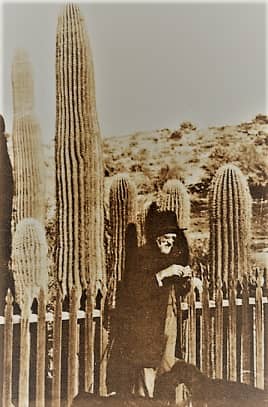
Friends at Owl Heads
Tom had a few registered mining claims in the Owl Heads area, but he never deeded the land he lived on. There he became friends with an offbeat couple: the author Alice Crane, who later married “Count” Victor Morajeski. The friendship with the Morajeskis benefited both sides.
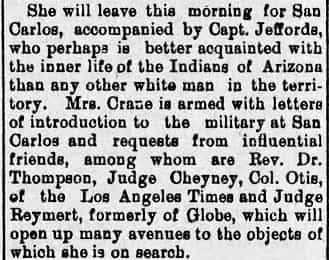
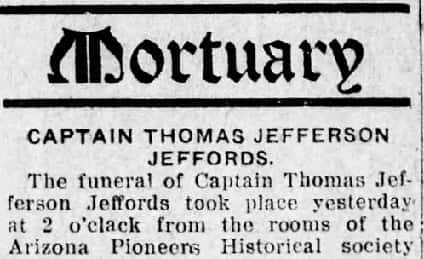
Near Tucson, Jeffords joined the Pioneer Society. Still, he was reclusive and didn’t like to talk about his time with the Apache. He made friends, but only once he knew and trusted them. His speech was straightforward, and he had a sense of humor.
Tom Jeffords’s Grave
He developed asthma and died on February 19, 1914, at 82. He is buried in Evergreen Cemetery in Tucson, where a monument to him was dedicated in 1964.
We enjoy digging into the true stories of people who roamed the Tombstone area and the Old West, and sharing what we find. We hope you’ll visit some of the places where they spent time back in the 1800s.
2 comments
Hello, I have to reply to the Movie~~BROKEN ARROW~~which I’ve watched several times. Thank you for sharing about Thomas Jeffords. I want to learn about the Western Frontier…especially about the American Indians and treaties, plus agreements etc that did work out and ones that failed. There is so much said against the Indians that were definitely pushed off of land due to gold/silver. How the buffaloes were killed for only the hides was horrible. Corruption among men back in 1800’s is evident…always due to GREED + POWER of CONTROL. THANK YOU for telling us all the truth. Hollywood always adds their fake junk to make movies. So few movies are based on actual facts. I want to get emails from your web sight. Wyatt Earp ++ many from the past are very interesting. This is first time I’ve ever replied, therefore I hope I can get a reply from you.
Jacque, thanks for your comment. The Western frontier is an ever fascinating subject which we continue to pursue here at Tombstone Travel Tips. We don’t currently come out with an email newsletter, but feel free to browse around our site and you’ll be sure to come upon more interesting articles!