
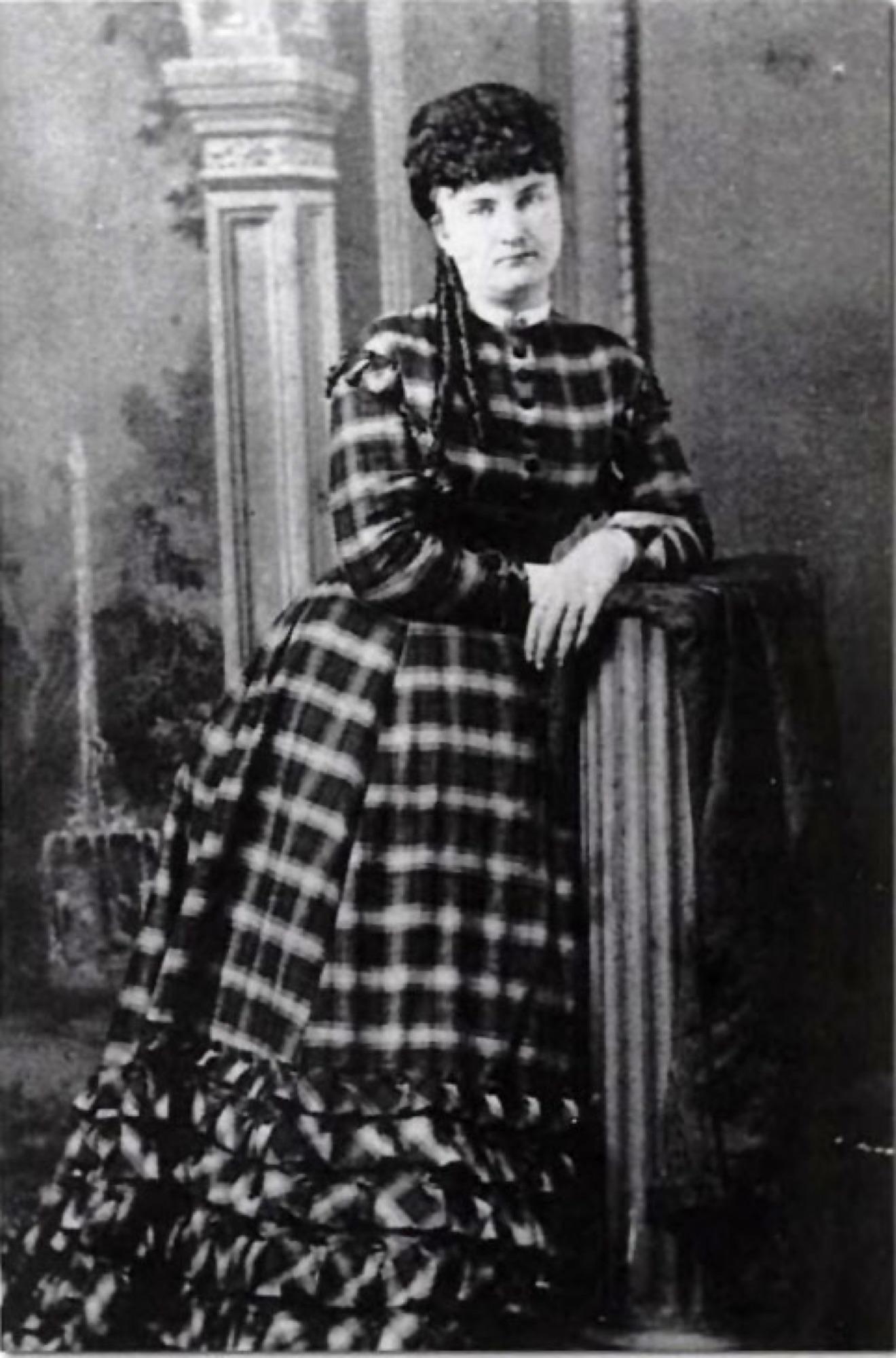
Celia Ann “Mattie” Blaylock was Wyatt Earp’s common-law wife for about six years, including the Tombstone years. She grew up on an Iowa farm, ran away as a young woman, and ended her life alone in a fading Arizona mining town.
Here is what is known of her story.
A farm girl from Iowa
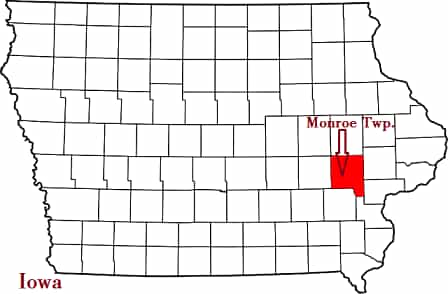
Celia Ann Blaylock was born in January 1850 in Monroe Township, Johnson County, Iowa, the third child of Henry and Elizabeth Blaylock. She went to church and school, under the typical parental discipline of the time, and lived on the family farm with local friends and activities. But she was apparently restless there.
In mid-1868, at 18, she ran away from home with her younger sister Sarah. They probably headed west hoping to find work, an unlikely prospect for young women then. There is no record of where they went or what they did.
From Celia Ann to “Mattie”
Sarah returned home within a year. Her parents took her back, but she was regarded with shame.
Celia Ann didn’t go back with her. She next appears in 1871, in a professional photograph taken in Fort Scott, Kansas. Court records show that by 1872 she was earning a living as a prostitute in Fort Scott, and later in Dodge City.
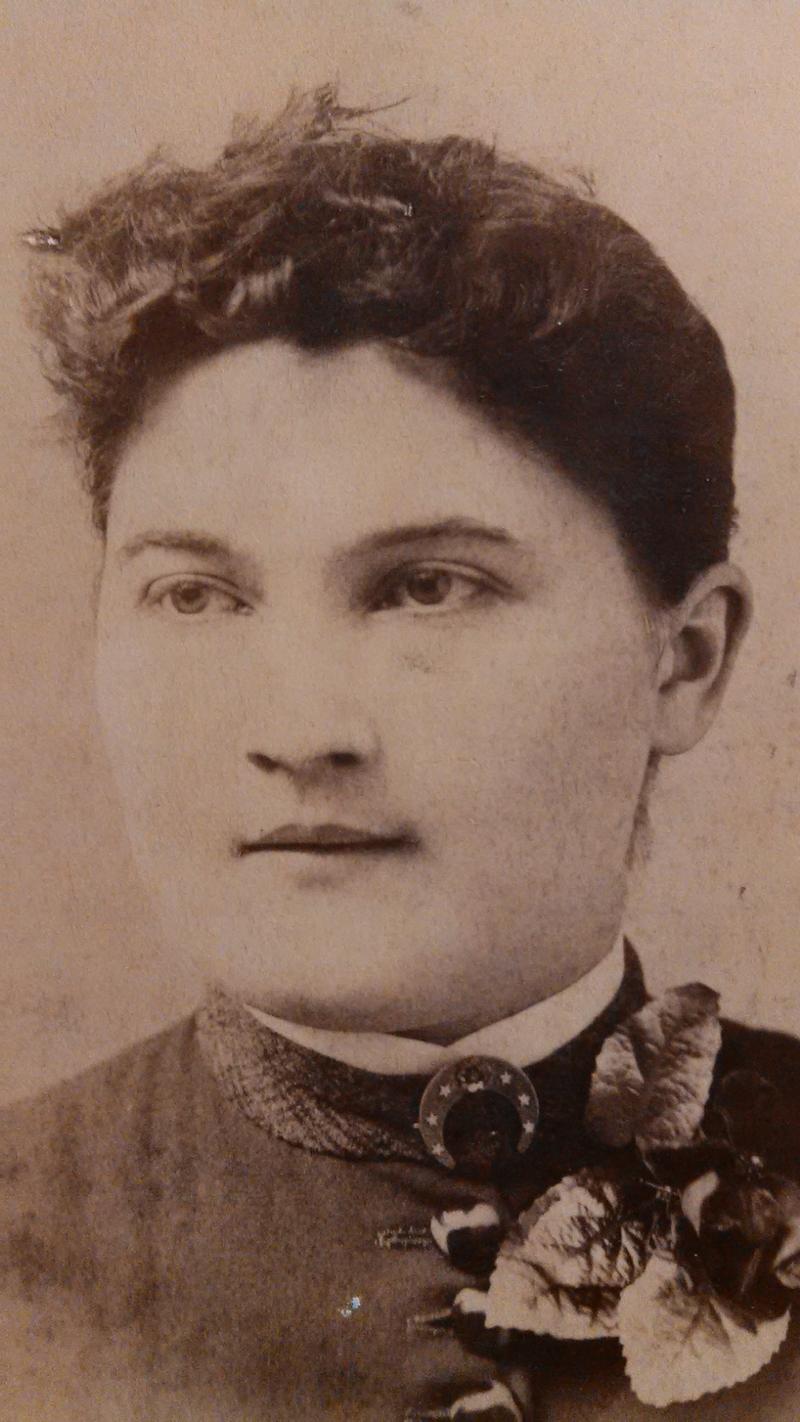
Celia Ann began using the name “Mattie,” probably to keep her family’s name out of it. Interestingly, Mattie was a common alias among Old West “soiled doves.”
Life with Wyatt Earp
Mattie’s relationship with Wyatt Earp began in Dodge City, sometime after April 1876. There isn’t a lot of detail on her life from then until she reached Tombstone.
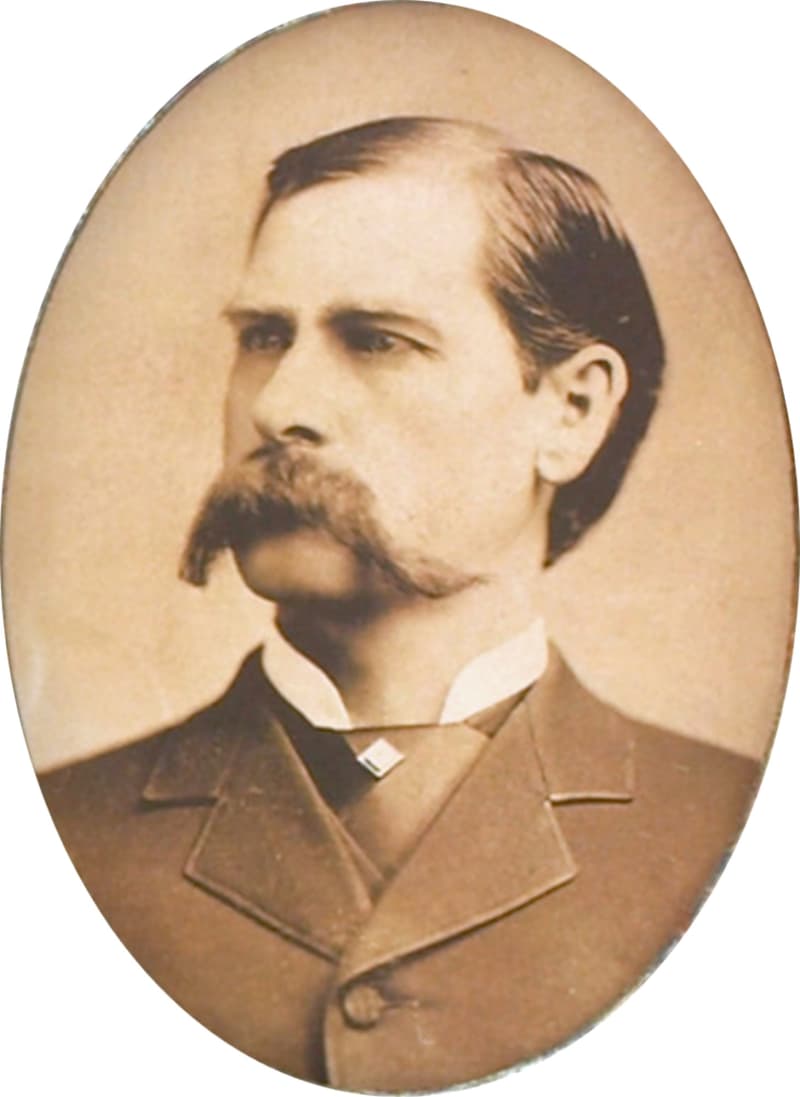
In 1879 Mattie and Wyatt traveled to Arizona Territory with Doc Holliday and Big Nose Kate, and on the way they spent about two months in the silver town of Pinal City. Wyatt, his brothers Virgil and Morgan, and their wives arrived in Tombstone on December 1, 1879.
The 1880 U.S. Census of Tombstone lists Mattie Blaylock as Wyatt’s wife. They seem to have called each other husband and wife, but there is no record that a legal marriage ever took place.
Problems in the relationship
Some say Wyatt took up with Mattie for convenience, to have someone at home to look after the household.
Mattie suffered from severe headaches, and in Tombstone she became addicted to laudanum, the strong painkiller of the Old West. Laudanum is a tincture of opium, whose active ingredients include morphine and codeine, so it was powerful and addictive.
Did Wyatt support her, or tire of seeing the effects? Maybe the Tombstone movie reflects the truth of the situation. Can we ever really know?
Sometime while Wyatt was in Tombstone, even with Mattie there, he met Josephine Marcus. When they began seeing each other isn’t clear. Tombstone diarist George Parsons never mentioned seeing Wyatt and Josephine together, and neither did John Clum in his memoirs.
After the O.K. Corral gunfight
After the vendetta that followed Morgan’s murder, Wyatt left Arizona with an arrest warrant out for him. Mattie went with other members of the Earp family to Colton, California, where his parents lived. She apparently waited there for word from Wyatt telling her where to meet him, hoping to pick up their life together. It never came.
Instead, Wyatt went to San Francisco in late 1882 and began his relationship with Josephine.
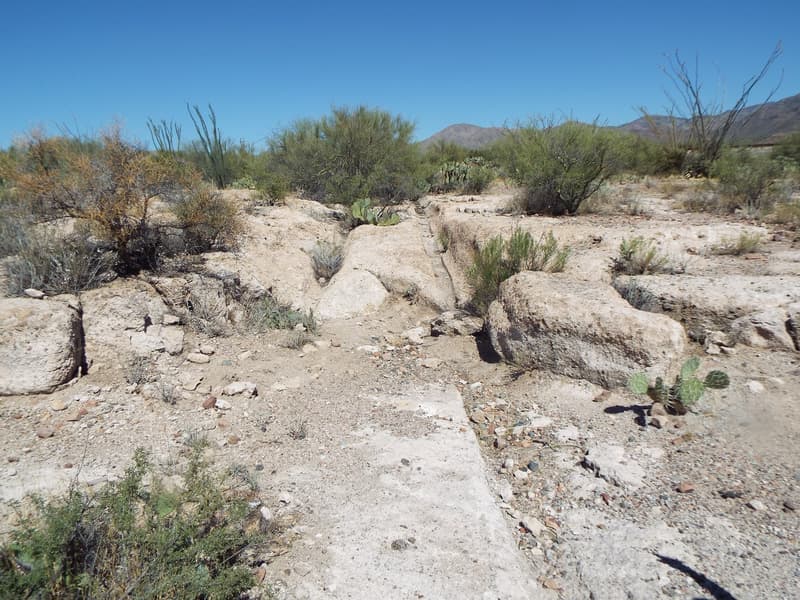
When Mattie realized Wyatt wasn’t going to send for her, she left Colton and returned to Arizona. She settled in Pinal City, where she and Wyatt had stopped on their way to Tombstone.
The sad end to a sad story
By then Pinal City’s silver boom was over and most of its people had moved on, so Mattie found it hard to make a living at her old trade. Today it’s a ghost town.
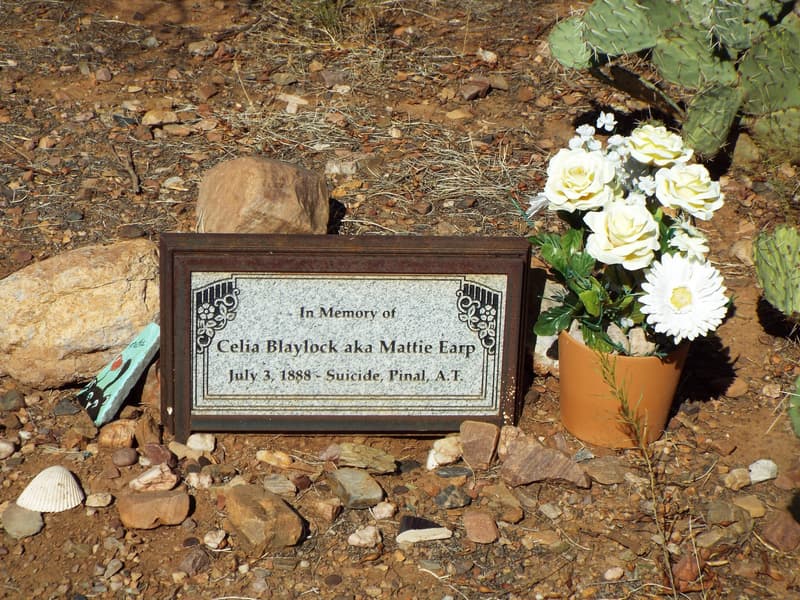
She fell further into addiction, along with alcohol. On July 3, 1888, she took a lethal dose of laudanum and alcohol, and she died at only 38. Her death was ruled “suicide by opium poisoning,” though it’s possible she overdosed by accident.
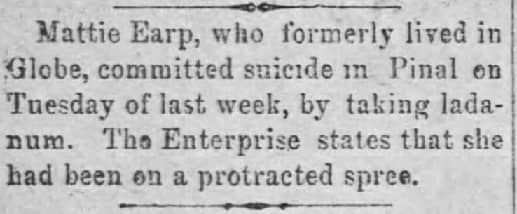
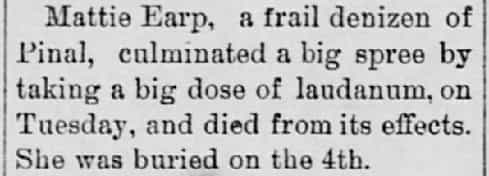
She is buried in the cemetery at Pinal City, just west of Superior. The photos she had taken during her life show someone who took pride in her appearance, and it’s sad that her life deteriorated so.
Stories like Mattie’s make us want to know the true history of the people who lived in the Tombstone area in the 1800s. We enjoy sharing what we find, and we hope you’ll visit some of the places where they spent their lives.
No comments yet