In Tombstone, Arizona, Virgil Earp and later his brother Wyatt each became a deputy U.S. marshal, under different circumstances. Federal marshals and their deputies had a lot to do with “taming” the Wild West.
Here is how the office began, some of the best-known frontier marshals and deputies, what happened with the Earps, and what the Marshals Service does today.
History of the U.S. Marshals
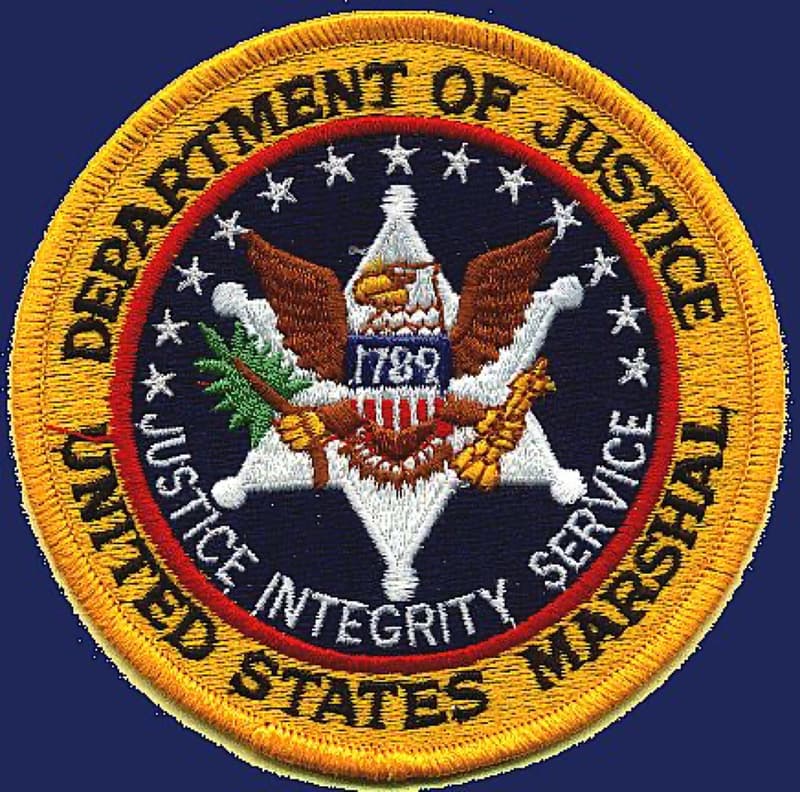
U.S. marshals date back to George Washington’s First Congress and the Judiciary Act of September 24, 1789. The act gave them authority to enforce warrants issued by the federal courts.4
The President appointed a marshal for each federal court district, and the appointments often went to friends and political allies. The law let marshals get the help they needed for their wide-ranging duties, so they “hired their own Deputies” to get the job done.4
Their authority included swearing in temporary posses to go after people who broke federal law. In the western territories, the “Old West,” they were the main law enforcement. They also had plenty of clerical and administrative work, even taking the local census.4
Famous Frontier U.S. Marshals
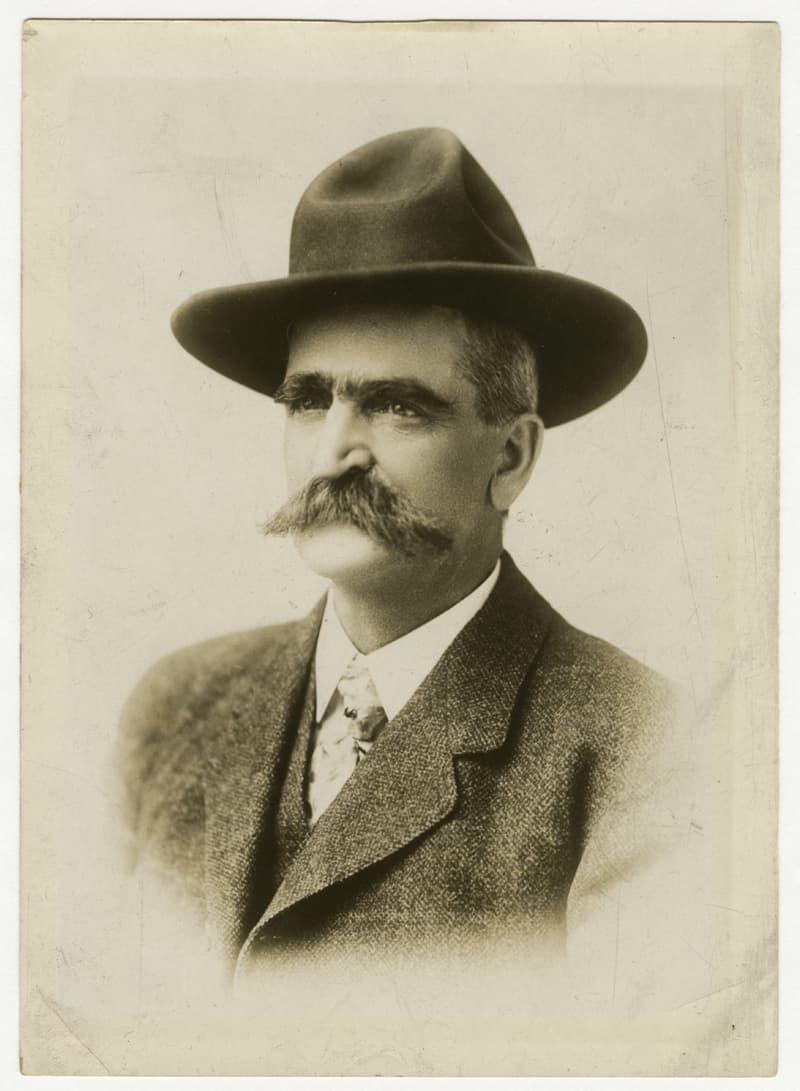
Seth Bullock became U.S. Marshal for South Dakota in 1905 and served for nine years.5 If you watched the HBO Western series Deadwood, you’ll remember him as one of its main characters. His Deadwood business partner, Sol Star, was one of the early Jewish settlers of the West.
Robert E. Clark, often called the “Last of the Frontier Marshals,” was U.S. Marshal for the Southern District of California from 1933 until 1948, appointed under Franklin D. Roosevelt. As a young man he worked as a cowboy around Tombstone for two years and drove stagecoaches in California. He was a lifelong friend of Wyatt Earp.6
William “Billy” Breakenridge is best known for working under Sheriff Johnny Behan in Tombstone. He later served as a deputy U.S. marshal in Arizona Territory.7
Ben Daniels had a rough childhood and got into trouble with the law as a young man. He spent time in Dodge City, married, and rode with Theodore Roosevelt’s Rough Riders. After Roosevelt became President, he appointed Daniels U.S. Marshal for Arizona Territory in January 1902. The appointment lasted only weeks: officials learned of his prison record, and he resigned in February 1902. He later became superintendent of the Yuma Territorial Prison. In 1905 Roosevelt named him marshal again, and this time Daniels served until 1909, after Roosevelt left office.8,9
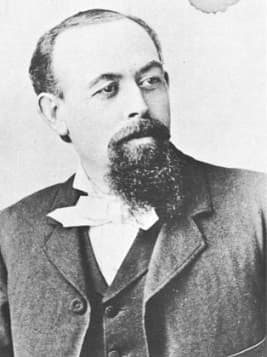
Crawley P. Dake served with the 5th Michigan Cavalry in the Civil War. Afterward he was briefly chief deputy marshal in Detroit and worked for the Internal Revenue Service. In June 1878 he was appointed U.S. Marshal for Arizona Territory. He named eight deputies, and one of them was Virgil Earp, for southeastern Arizona. That appointment was a major reason the Earps came to Tombstone.10 It brought Dake trouble, too: the October 1881 gunfight and its aftermath led to his replacement in 1882.
Famous Frontier Deputy U.S. Marshals
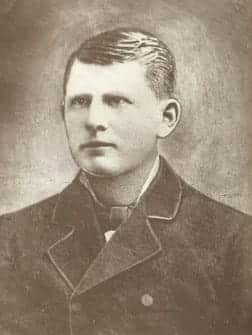
Frank Dalton was the lawman of his family: his younger brothers formed the outlaw Dalton Gang. (He is not to be confused with J. Frank Dalton, who claimed decades later to be Jesse James.) Frank served about three years as a deputy marshal out of Fort Smith, Arkansas, covering Indian Territory in today’s Oklahoma. He worked under Judge Isaac Parker, nicknamed “the hangin’ judge,” a label that doesn’t do Parker justice; he was in many ways ahead of his time. Frank was killed in a shootout in November 1887.
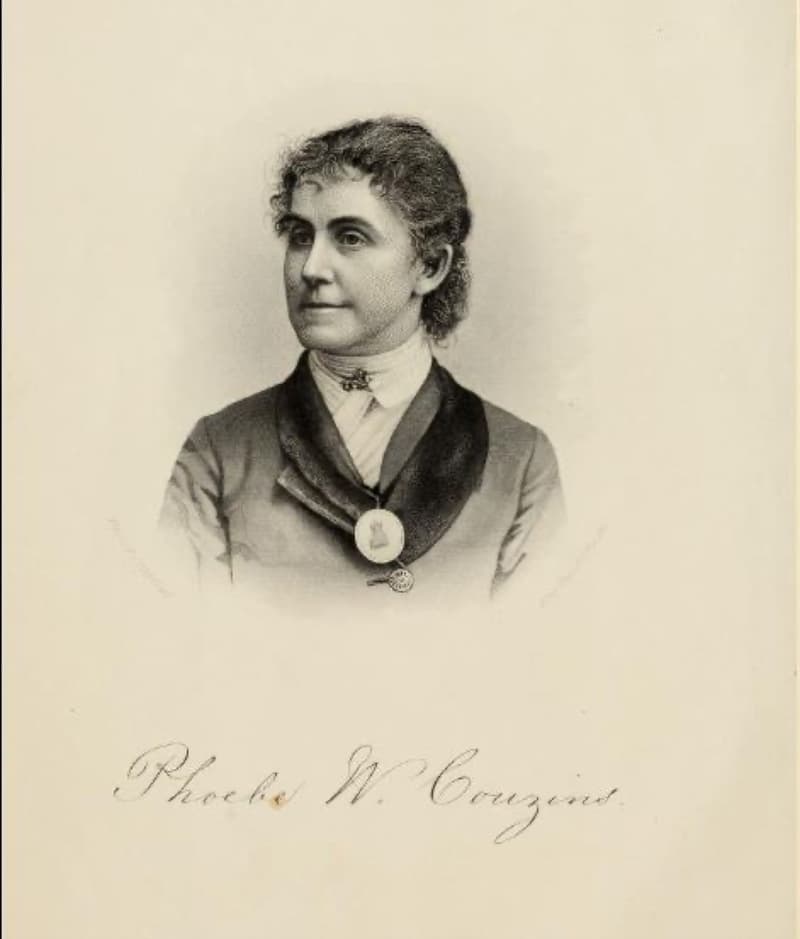
Phoebe Couzins, a lawyer, was the first woman appointed a deputy U.S. marshal. Her father, the U.S. Marshal for the Eastern District of Missouri, appointed her in 1884. When he died in 1887, President Cleveland made her interim marshal, but two months later she was replaced by a man, ending her career in the service.
William Matthew “Bill” Tilghman Jr. was a friend of Wyatt Earp and Bat Masterson from his Dodge City days. He was appointed a deputy U.S. marshal in Oklahoma in May 1892, joining Heck Thomas, Chris Madsen and others against the territory’s outlaws. In 1896 he single-handedly captured Bill Doolin, leader of the gang known as the Wild Bunch, which made him famous as one of Oklahoma’s “Three Guardsmen.”
Wild Bill Hickok served as a deputy U.S. marshal at Fort Riley, Kansas, in the years after the Civil War.
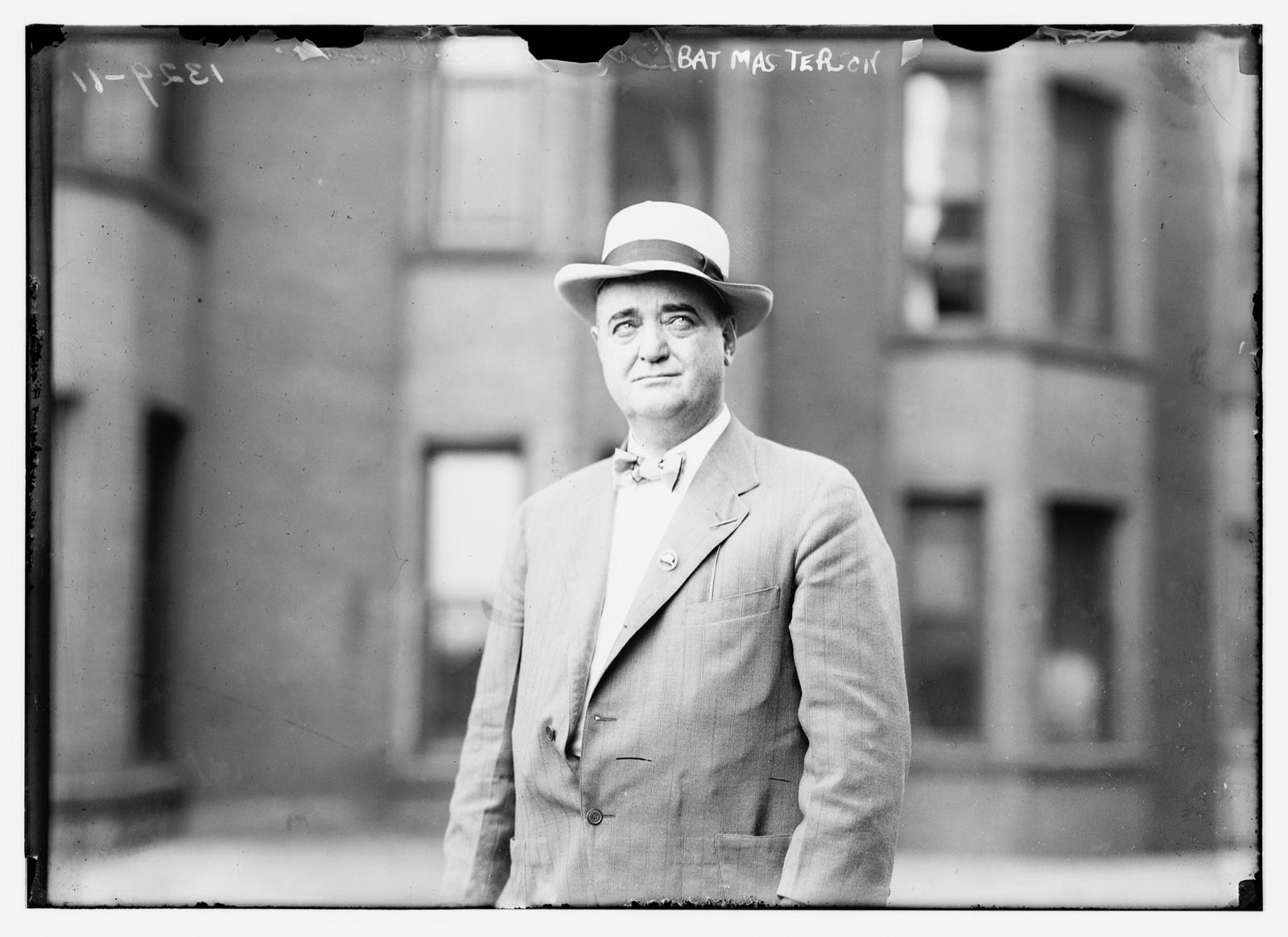
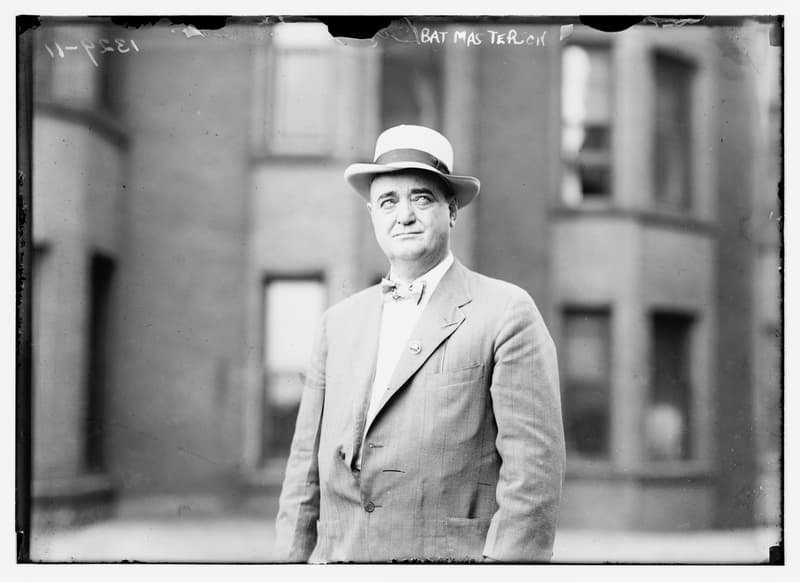
Bat Masterson became a deputy U.S. marshal late in life, for the Southern District of New York. His friend President Roosevelt gave him the appointment in 1905, and the next president removed him in 1909.
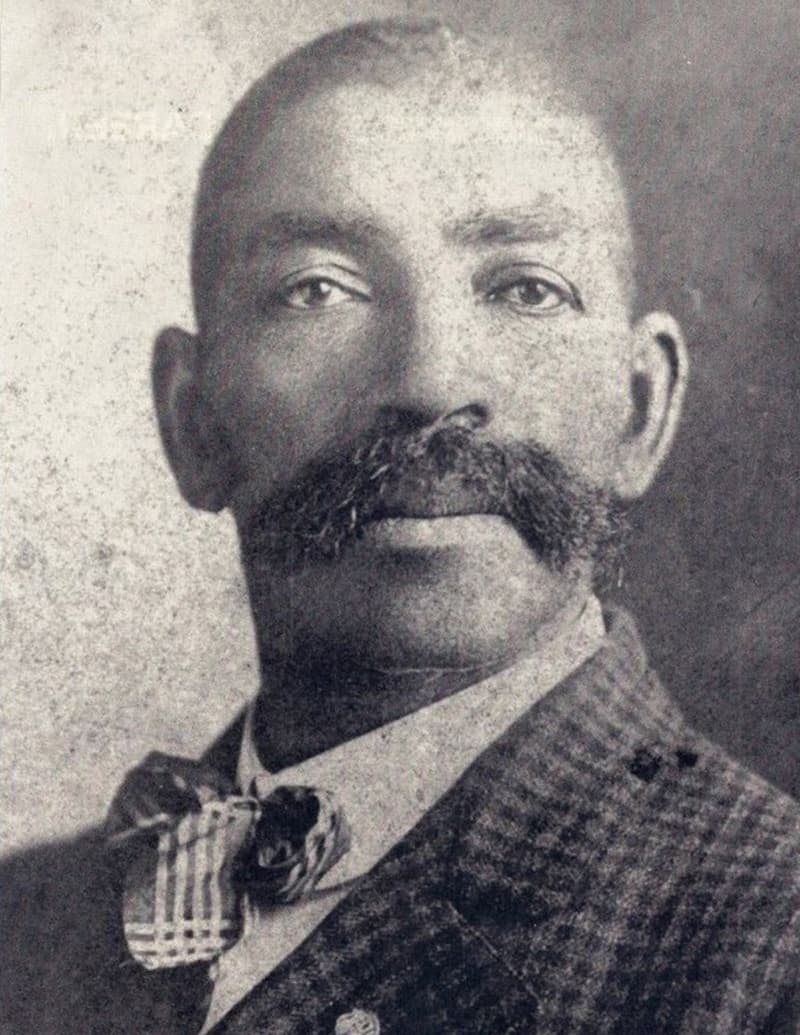
Bass Reeves was one of the first Black deputy U.S. marshals west of the Mississippi. From 1875 to 1907 he worked mostly in Indian Territory, in what is now Oklahoma. He is counted among the best Old West gunfighters of his era.
The Earps and Doc Holliday
Crawley P. Dake named Virgil Earp a deputy U.S. marshal on November 27, 1879. Virgil served actively until he was shot from ambush at the corner of Fifth and Allen streets on the night of December 28, 1881. He formally resigned on February 2, 1882.11
When Virgil needed help with his federal duties, he sometimes deputized his brother Wyatt.10 On October 26, 1881, trouble with the Clanton and McLaury brothers was expected, so Virgil had deputized Wyatt.11 After the ambush left Virgil unable to work, Wyatt asked Dake to appoint him in his brother’s place, and Dake did.10
When Morgan Earp was murdered on March 18, 1882, Wyatt immediately suspected the Cochise County Cowboys. He gathered deputized posses. They carried federal warrants to bring in suspects, but Wyatt’s real aim was revenge. Among the deputized men riding with him were his brother Warren and Doc Holliday.10
The Marshals Service Today
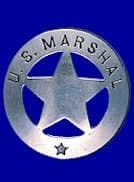
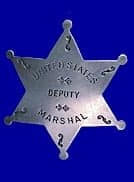
The U.S. Marshals Service in its current form was created in 1969. It is an Executive Branch agency under the U.S. Attorney General and is still the enforcement arm of the federal courts.2
Each of the 94 federal judicial districts is headed by a U.S. Marshal, with deputy U.S. marshals and criminal investigators serving under them. Their responsibilities include:2
- Judicial security throughout the court process
- Fugitive operations, with broad arrest authority, including work with international partners
- Managing criminal asset forfeiture
- Federal prisoner operations and transportation
- Witness security, through what is known as the Witness Protection Program
Careers include administrative, detention and aviation enforcement, and deputy U.S. marshal positions. (Air marshals belong to the Transportation Security Administration.)3
Deputy U.S. marshals must meet strict requirements. Applicants must be U.S. citizens with a degree or qualifying experience, a valid driver’s license and excellent physical condition, and they must pass a structured interview, a background investigation and medical checks.3 Those selected go through basic training at the Federal Law Enforcement Training Center in Glynco, Georgia. Exact age limits and training lengths change, so check the Marshals Service careers page for current details.
In Memoriam
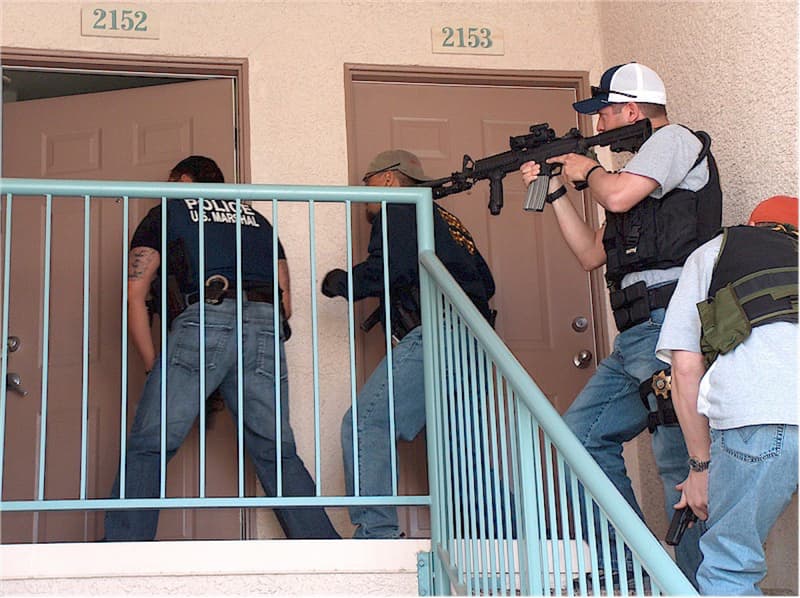
Being a deputy U.S. marshal is serious, necessary work, and it can be dangerous. Those who join the service accept that risk.
One loss was deeply felt near Tombstone. Deputy U.S. Marshal Chase White, serving in Tucson, was shot and killed on November 29, 2018. He was with a team of marshals serving a felony warrant on a fugitive wanted for stalking police officers.1
The gunman was arrested after a standoff and indicted on one count of first-degree murder of a federal officer, three counts of attempted murder of a federal officer, four counts of assault on a federal officer with a deadly weapon, and five counts of discharging a weapon during a crime.
Chase White was the first deputy U.S. marshal killed in the line of duty in Tucson in 66 years. He also served in the Air Force Reserve. He was married and the father of four children, then aged 7 to 14.
In March 2021 he was posthumously awarded the Law Enforcement Congressional Badge of Bravery, which his wife accepted on his behalf.1
References
1 Smith, C. (2021, March 30). Heroism award for fallen Deputy Marshal. Local News; KGUN 9 on Your Side. Retrieved from https://www.kgun9.com/news/local-news/heroism-award-for-fallen-deputy-marshal
2 U.S. Department of Justice (2021, Feb. 26). Fact sheet: U.S. Marshals Service. Office of Public Affairs. Retrieved from usmarshals.gov/duties/factsheets/overview.pdf
3 U.S. Marshals Service (2021, July 22). Career opportunities. U.S. Department of Justice. Retrieved from usmarshals.gov/careers/
4 U.S. Marshals Service (2021, July 22). History – Broad range of authority. U.S. Department of Justice. Retrieved from usmarshals.gov/history/broad_range.htm
5 Radin, E.M. (2020). Jews who helped settle the Wild West. United States: Edwin M. Radin
6 U.S. Marshals Service (2021, July 22). History – Last of the frontier marshals. U.S. Department of Justice. Retrieved from usmarshals.gov/history/clark/
7 Breakenridge, W.M. (1928) Helldorado. Copyright renewed 1956 Adam, F.E. Intro, Notes, Index Copyright 1982 R.R. Donnelly & Sons, Lakeside Press. Bison Book Edition 1992, University of Nebraska Press.
8 Kansas Historical Society (2021). RG 60, Department of Justice : territorial papers : B. F. Daniels, U.S. marshal, Arizona. Archives. Retrieved from kshs.org/archives/48665
9 Dodge City Daily Globe (2016, March 8). Ben Daniels. Retrieved from dodgeglobe.com/article/20160308/NEWS/160309548
10 Bailey, L.R. (2004). Too tough to die: The rise, fall and resurrection of a silver camp; 1878 to 1990. Tucson AZ: Westernlore Press.
11 Guinn, J. (2011). The last gunfight. 24 Words LLC. New York: Simon & Schuster Inc.
No comments yet