- Early Years
- Influences on Ringo’s Future
- Quotes Related to Johnny Ringo
- Was Ringo Educated?
- Texas Times
- Ringo Moves On to Arizona
- Family and Cowboys
- Doc Was No Friend of Ringo
- Ringo the Accused, but No Witnesses
- Posse After Posse
- Johnny Ringo Discovered
- Alternate Theories on Johnny Ringo’s Death
- Johnny Ringo’s Gravesite
Johnny Ringo was well known in Tombstone, Arizona, and his name still reverberates in town today. Who was this man of infamy in the old Wild West? Was he really educated? What happened between him and Doc Holliday? Who killed him, and where is his grave? Here is what the record says.
Early Years
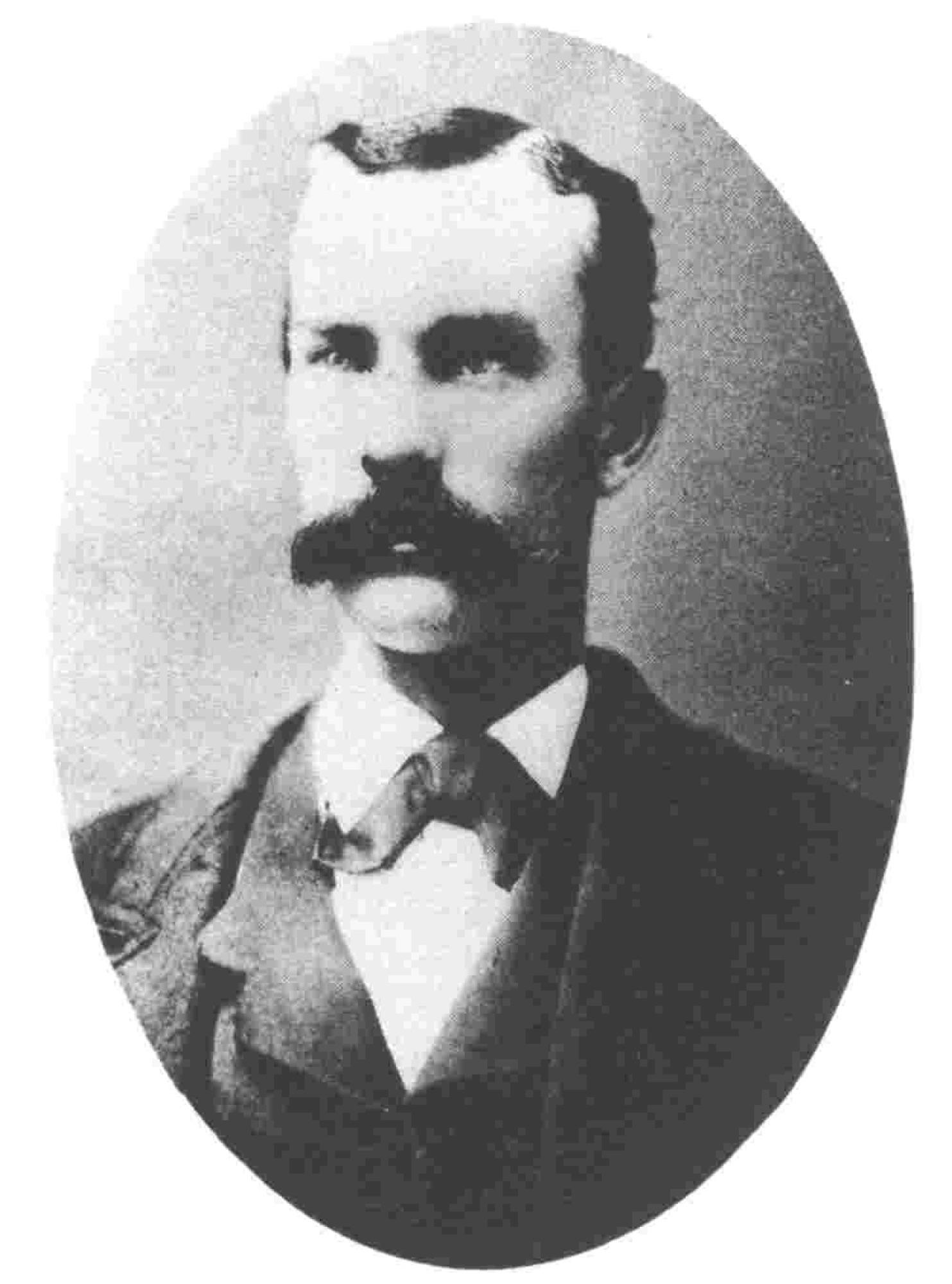
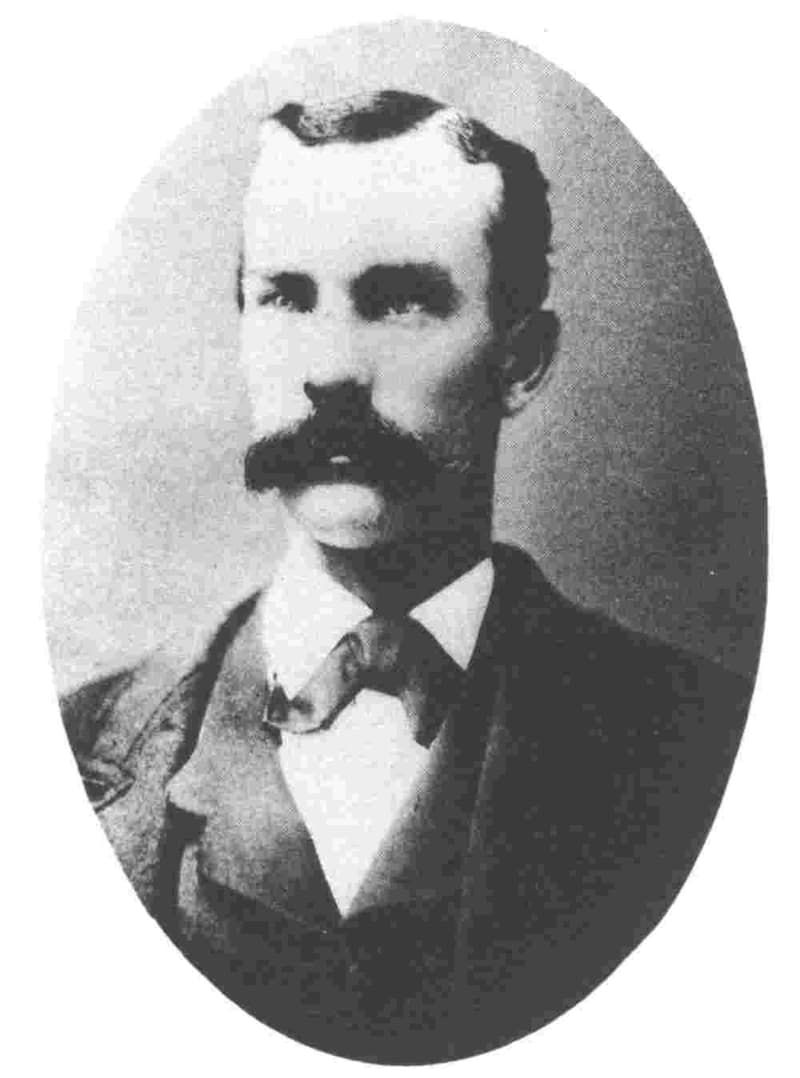
John Peters Ringo was born May 3, 1850, the first child of Martin and Mary Ringo. The town of his birth is now called Greensfork, Indiana, but it was first named Washington. It is not the same Washington, Indiana, that exists today. John’s middle name was his mother’s maiden name, Peters. His father’s ancestry was Dutch.1
Four years later a brother named Martin was born. When John was six, the family moved to Gallatin, Missouri, where Johnny began school. A sister, Fanny Fern, came in 1857, and another sister, Mary Enna, in 1860. A final child, a girl named Mattie Bell, was born in 1862.2
Influences on Ringo’s Future
Johnny Ringo was the in-law cousin of Coleman Younger of James Gang fame, through his aunt Augusta Peters.5 We wonder if that relationship influenced him at all.
Troubles growing out of the Civil War pushed his father westward in 1864.1 On the trek to San Jose, California, the family passed through Wyoming. A terrible accident happened there, near the Platte River.8
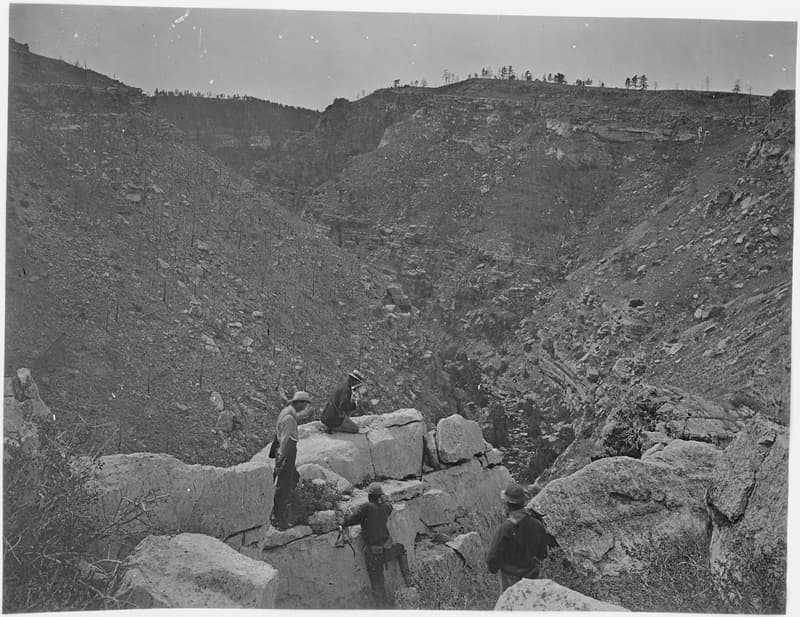
As John’s father climbed down from the wagon, his gun went off. It blew buckshot up into his eye and through his brain, killing him. The family buried him beside the trail.4 His gravesite is about 2.7 miles west of State Highway 95, on U.S. 20 near present-day Glenrock, Wyoming. A marker is on the spot.
A family friend said Martin Ringo had a solemn air about him.18 John witnessed his gruesome death. Between his father’s austere demeanor and violent accidental end, could this have influenced Johnny’s own end?
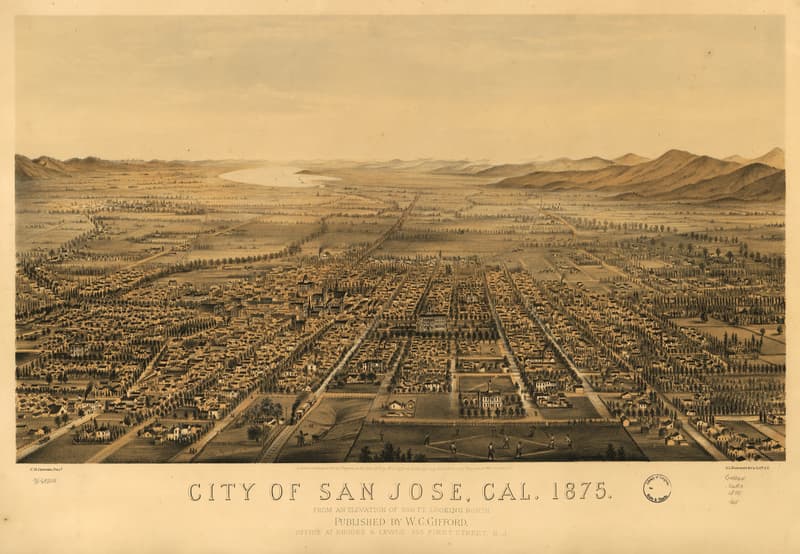
When the family reached San Jose, the widow took her children to her sister’s home, the ranch of her brother-in-law Thomas Coleman “Cole” Younger. He was the uncle of the better-known, youthful namesake who went to prison for robbery and murder. John helped out on the ranch while living there.1
Quotes Related to Johnny Ringo
If you take the movie Tombstone at face value, one of the most celebrated Wild West quotes of all time is related to Johnny Ringo. Doc Holliday says it to Ringo after shooting him in a duel:
“You’re no daisy! You’re no daisy at all. Poor soul, you were just too high strung.”
Another good one is when Doc Holliday says to Johnny:
“Why Johnny Ringo, you look like somebody just walked over your grave.”
In the 1993 movie, Ringo is portrayed by Michael Biehn.
Was Ringo Educated?
Some say John Ringo’s education was above average, perhaps even a college degree. His Tombstone acquaintance Billy Breakenridge wrote: “Ringo was a mysterious man. He had a college education, but was reserved and morose. He drank heavily as if to drown his troubles; he was a perfect gentleman when sober, but inclined to be quarrelsome when drinking. He was a good shot and afraid of nothing…”13 Despite such stories, his schooling probably ended when the family left Missouri, or shortly after.3 He likely enjoyed reading, which gave the impression of a good education. There is no documentation of college, or of much education at all.
In the movie Tombstone, Ringo gets into a heated exchange with Doc Holliday conducted entirely in Latin. It makes a compelling scene, but there is little to suggest such an event happened in real life. Read more about the Tombstone Latin conversation.
Texas Times
Around age 23, John Ringo headed for Texas, planning to try ranching. In Llano County he became friends with rancher Moses Baird. A conflict called the Mason County War, also known as the Hoodoo War, was heating up by 1875. It pitted German immigrant settlers against local Anglo ranchers. Johnny Ringo got into the conflict and was arrested in late 1875 for murder.4
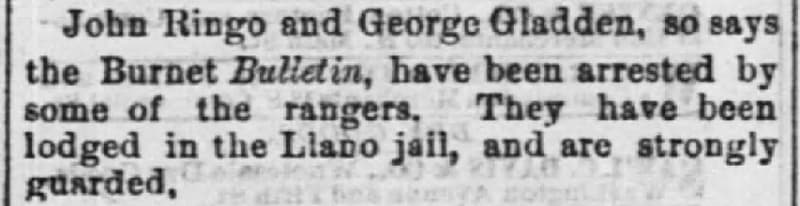
He had become friends with ex-Texas Ranger Scott Cooley. Cooley took the law into his own hands after his adoptive father was assassinated.6 He felt the German faction was shielding the killers.
Ranchers were outraged at Ringo’s arrest. They planned to break him out of jail, only to discover the authorities had moved him to Austin. While in prison there Johnny met the outlaw John Wesley Hardin,1 probably another influential episode in his life.
It is said that about this time his family heard of his exploits and disowned him. After two years in jail the charges were dismissed. Once released, he was elected constable for the Loyal Valley precinct of Mason County, but after a year he moved along.4
Ringo Moves On to Arizona
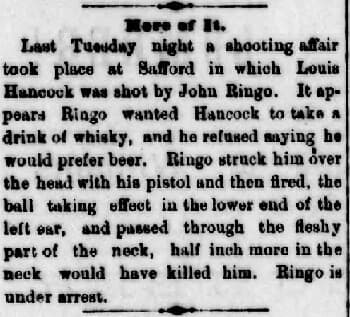
Ringo may have started drinking heavily around now, aware of his sisters’ disapproval of his actions. In late 1879 Johnny Ringo turned up in Arizona and caused a disturbance in Safford. He was released when he posted bond and was scheduled to go before the grand jury in March 1880.
Instead of appearing, he wrote to Sheriff Charles Shibell to excuse his no-show: “I write to let you know why I can not appear–I got shot through the foot and it is impossible for me to travel for awhile.” He asked Shibell to advise the district attorney, to send any required paperwork, and to continue his bond. He seemed worried about his future in the area and apparently wanted to remain in southern Arizona.3
The district attorney was not sympathetic, and the court revoked his bond. The next we know, Johnny Ringo was in New Mexico dealing in mining property. By July 1880 he was back in Arizona, working with the Clantons. He joined Ike and a few other Cowboys on a cattle drive.7 He lived in San Simon, in southeastern Arizona, and often hung out in Galeyville, where he associated with Curly Bill Brocius.
Ringo, the Election Official
By October 1880 his Arizona legal problems seem to have been resolved. He served as a judge for the San Simon precinct election, and his friend Ike Clanton was an inspector.
The tally gave only one vote to Republican Bob Paul for Pima County sheriff, while Democratic candidate Charles Shibell received 103. The results from the San Simon Cienega precinct were suspect, and after review they were thrown out. That reversed the election and made Bob Paul the winner.8
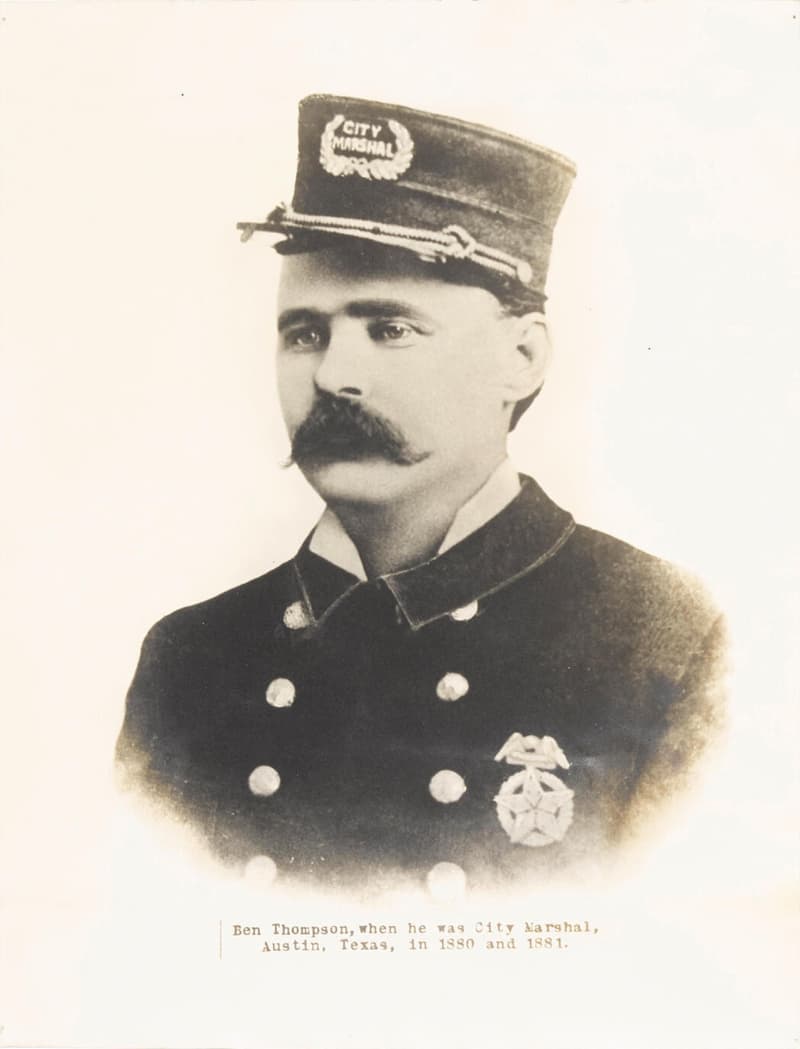
Early in 1881 Ringo traveled to Texas. He had an incident there, falsely accusing three men of stealing money from him. Austin’s gun-slinging marshal, Ben Thompson, arrested him when he would not cooperate, and he ended up being fined.7
Next he was in Missouri. By early July 1881 he was back in Arizona, in Tombstone. In early October he went to Galeyville to play poker. He was not winning and he was not happy. Ringo quit the game when the other players would not lend him money to continue.3
After thinking it over, he returned, pointed his gun at the players and left with the cash on the table.8 Deputy Sheriff Billy Breakenridge hauled Ringo in on charges. No witnesses came forward, so the case was postponed.3
Family and Cowboys
John Ringo again left the area.8 In October 1881 he went to California to visit his sisters, perhaps trying to get back into the family’s good graces. With their strong religious beliefs it was a hard sell, and it did not seem to work.3 So he was in San Jose, California, not Tombstone, when the Gunfight at the O.K. Corral took place.
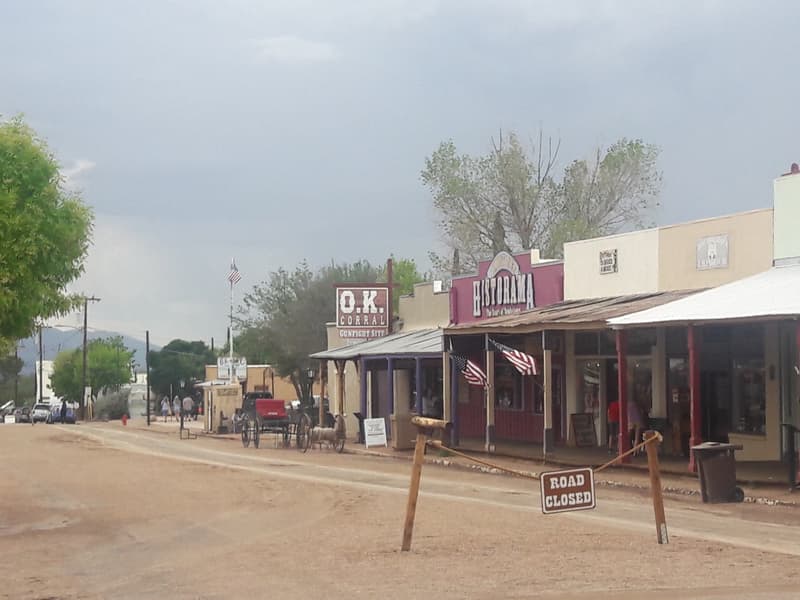
On December 28, 1881, Virgil Earp was badly wounded by a shotgun ambush on Allen Street. His brother Wyatt Earp, not known for timidity, named Johnny Ringo as one of the assailants, but no evidence was produced. Wyatt persuaded U.S. Marshal Crawley P. Dake to appoint him deputy U.S. marshal in Virgil’s place.
On January 21, 1882, Johnny Ringo was back in town. He had certainly heard from the Cowboy faction, including Ike Clanton, about October’s shootout, and from their standpoint the Earps and Doc Holliday were to blame.
Doc Was No Friend of Ringo
In mid January 1882 Johnny Ringo was outside the Grand Hotel when he noticed Wyatt across the street, about to enter Hatch’s Saloon. He approached Wyatt and proposed settling the feud with a shootout against Doc Holliday. Whoever lost would leave town, and that would end it. Wyatt refused.19
The January 22 Nugget reported that Ringo was on Allen Street in front of the Occidental Saloon. Who else was there that morning? Doc Holliday. The newspaper pointed out the bad blood between the two and described the action: “words were exchanged and both parties stepped back, placing their hands on their weapons with the intention of drawing and using them.”
“Fortunately Chief of Police Flynn was near and placed both parties under arrest. They were taken to Judge Wallace’s court and fined $32 each for carrying deadly weapons.”9
Could this have been the day Doc Holliday said “I’m your huckleberry” to Ringo? Hard to tell at this remove.
While in court, Judge William H. Stilwell noted that John Ringo had outstanding charges: the poker robbery in Galeyville. He was arrested and jailed over the weekend.10 His lawyer posted bond, and Sheriff John Behan, who always favored the Cowboys, released him before the court had approved it.
In jail, Ringo had heard of Wyatt’s plan to arrest the Clantons and their friends, who were in Charleston. Ringo headed straight there. James Earp saw Ringo riding away and believed he was escaping. On January 23, 1882, James swore an affidavit: “the purpose and intent of said Ringo is to intercept one Wyatt S. Earp a marshal intrusted [sic] with the execution of warrants… and . . . believes that the purpose of said Ringo is to obstruct the execution of said warrants.”3
Ringo the Accused, but No Witnesses
On January 28, 1882, John Ringo returned to Tombstone to face the Galeyville charges, and bond was arranged. At the February court date, again no witnesses appeared.3
Then on March 18 Wyatt Earp’s younger brother Morgan was murdered. Ringo was among the accused. But court testimony by Pete Spence’s wife blamed her husband, plus Frank Stilwell, “Indian Charlie” Cruz and someone named Fries.5
As deputy U.S. marshal, Wyatt obtained warrants. With them in hand he formed what became known as the Vendetta Posse to get those responsible for shooting Virgil and murdering Morgan. The Earps and Doc Holliday were in Tucson, sending Morgan’s body to California for burial, when Wyatt encountered Frank Stilwell waiting to ambush them.3 Wyatt shot Stilwell dead that night, March 20, 1882.
Posse After Posse
Pima County Sheriff Paul issued warrants for Wyatt and his posse for Stilwell’s murder and telegraphed John Behan to take them into custody. Wyatt ignored him. Behan did not give up, and gathered a posse to go after Wyatt’s posse. Wyatt kept hunting for the Cowboys involved in the attacks on his brothers.11
Johnny Ringo rode with Behan’s posse. Tombstone diarist George Parsons commented on Behan’s chances of capturing Wyatt: “they will never do it. The cow-boy element is backing him strongly – John Ringo being one of the party – there is a prospect of bad times.”3
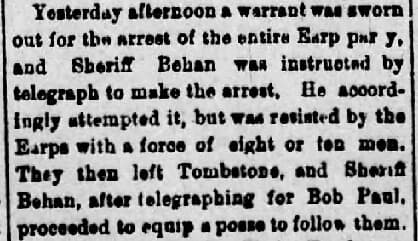
In April, newspapers placed Ringo in the Tombstone area. His trial for the Galeyville robbery was rescheduled for May 1882. In mid May, again no witnesses came forward, and the judge finally dismissed the charges. He was free, with nothing pending against him.3
Johnny Ringo was last seen in Tombstone on July 12, 1882. He left right after that, riding through the South Pass of the Dragoons, and stopped for a meal at Dial’s Ranch. Then he moved on to Galeyville. The people he met said he was drinking a lot and talking morbidly about death coming soon, at somebody else’s hand. From there he apparently went to the Morse Canyon area.12
Johnny Ringo Discovered
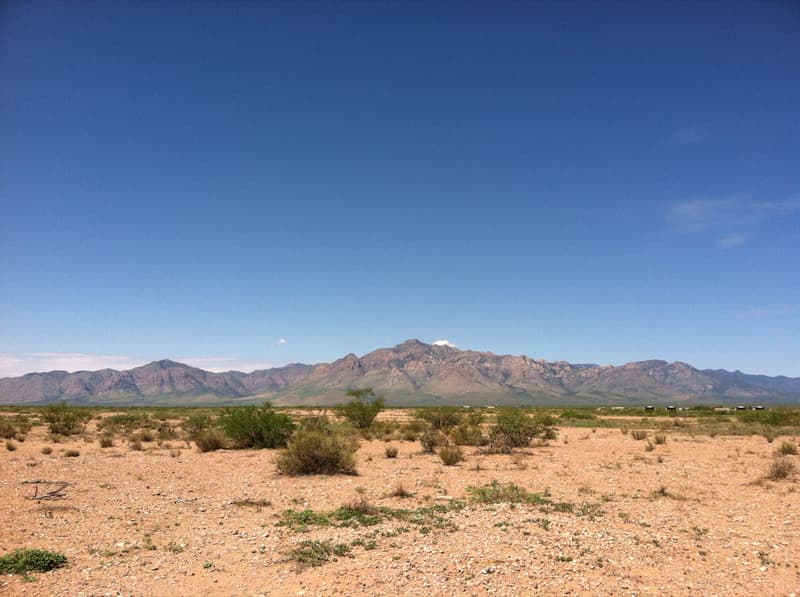
On Thursday afternoon, July 13, two women walked along Turkey Creek Road. Mrs. Young and Mrs. Smith said they saw a man at the base of a tree. He seemed to be sleeping, so they passed by. That afternoon, residents of the nearby Smith house heard a single gunshot.12
The next afternoon John Yoast came down the road with his team. He also noticed the sleeping man in the tree and kept moving. But Yoast’s dog ran over to the man, sniffing and making odd yelps, so Yoast got down to see what the problem was. The man was dead.
He was surprised to find he knew the man: it was Johnny Ringo. He reported it right away, and twelve other local people were soon on the scene to give statements to the sheriff and coroner.12
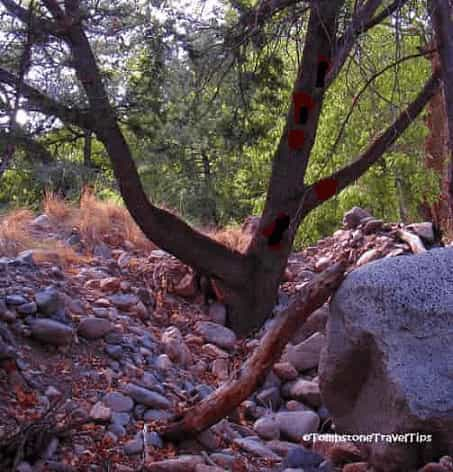
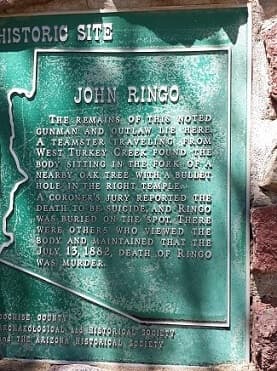
The sheriff and coroner sized up the condition of Ringo’s body and the evidence at the scene. They figured he had been dead about 24 hours. He was described as “in a clump of oak trees” and “in a sitting posture, facing West, the head inclined to the right…. a bullet hole at the top of the head on the left…” From the forehead up through the hair, a part appeared to be cut out, like a small area “scalped.”12
His clothing was described, and then an odd thing about his feet was noted. He had on socks, and over them strips of undershirt wrapped around his feet as if for protection. He had probably walked a short distance this way. His rifle rested against the tree, but his revolver was in his right hand. Another odd thing: his cartridge belt was strapped on upside down.12
The possessions found on him were turned over to teamster Frederick Ward for safekeeping. They were:
- Colt .45 revolver, No. 222, with 5 cartridges
- Winchester .45 Model 1876 octagon-barrel rifle, No. 21,896, with 11 cartridges
- Cartridge belt with 9 rifle cartridges and cartridge belt with 2 revolver cartridges
- American Watch Company silver pocket watch and chain
- Cash: $2.60
- 6 revolver cartridges in a pocket
- 5 shirt studs
- Small pocket knife
- Comb
- Block of matches
- Small bit of tobacco
- Part of a letter addressed to John Ringo from Tucson attorneys Hereford & Zabriskie
The report stated that his body was buried near the site where he was found.12
Speculation began at once among the locals. They figured Johnny Ringo had found his horse gone and started looking for the animal, walking until his feet hurt. So he took off his boots, and then, needing to protect his feet, made those home-made “booties” from his undershirt. Sounds likely, doesn’t it?
They believed he was depressed by all these circumstances, one thing after another, and that is when he decided to end it all.12
The coroner officially ruled the death a suicide on July 13, 1882. Ringo’s horse was found wandering the Turkey Creek area about two weeks later, with Ringo’s boots hung from the saddle, as was the safe habit when taking them off.3
Ever since, there has been a lasting controversy over the coroner’s ruling. A few other theories have been put forward, some about as plausible as the suicide.
Alternate Theories on Johnny Ringo’s Death
Ringo Killed by “Buckskin” Frank Leslie
The autumn after Ringo died, Cowboy Billy Claiborne argued with Buckskin Frank Leslie. Billy had been complaining to friends that he was angry with Frank for killing Johnny Ringo. Perhaps Claiborne had some inside information.
Eyewitnesses whose descendants still live in Cochise County reported seeing both Leslie and Claiborne in the Turkey Creek area around July 13, 1882. A story passed down through the generations says the pair rode toward Galeyville searching for Ringo. They came upon this ancestor and asked if he had seen Johnny Ringo. He later learned that Ringo was dead and already buried.14
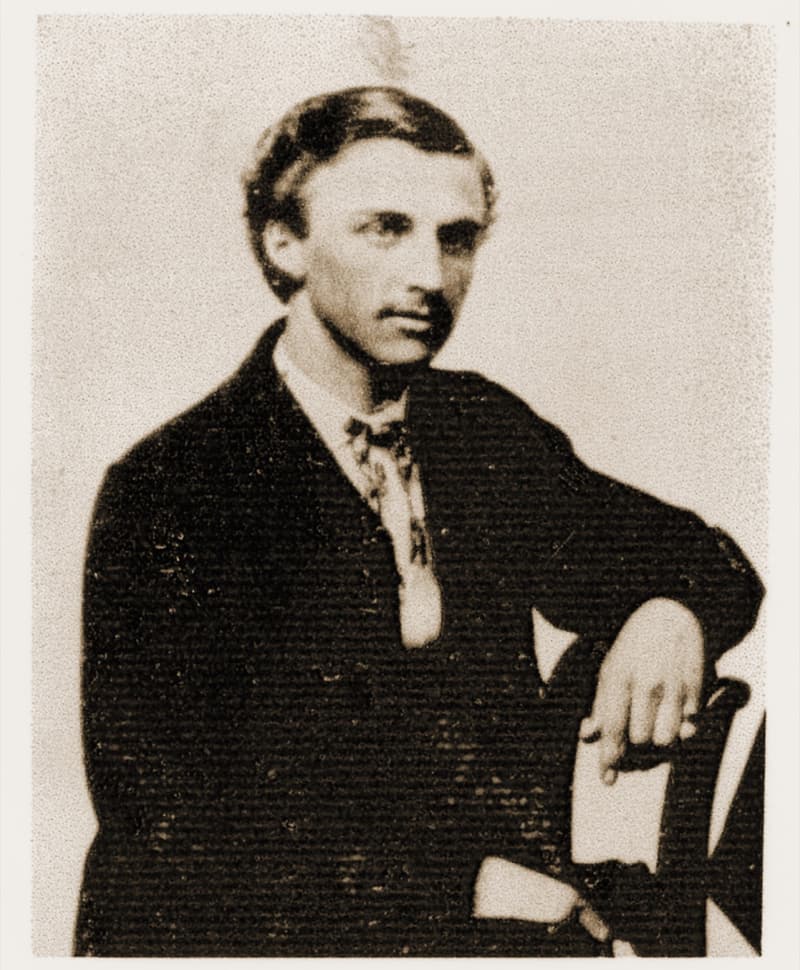
Leslie, Claiborne and Ringo were all aligned with the Cochise County Cowboy faction, so they had essentially been friends. Why they went after Ringo, and why Leslie would kill him, was never determined.
Billy Claiborne did go after Buckskin Frank, who was bartending at the Oriental Saloon on the northeast corner of Allen and Fifth. Billy went inside and confronted him, then left and came back with a rifle, calling Frank out. But Buckskin Frank was fast, and Billy Claiborne took the bullet instead. Leslie testified that he shot at Billy’s breast.15
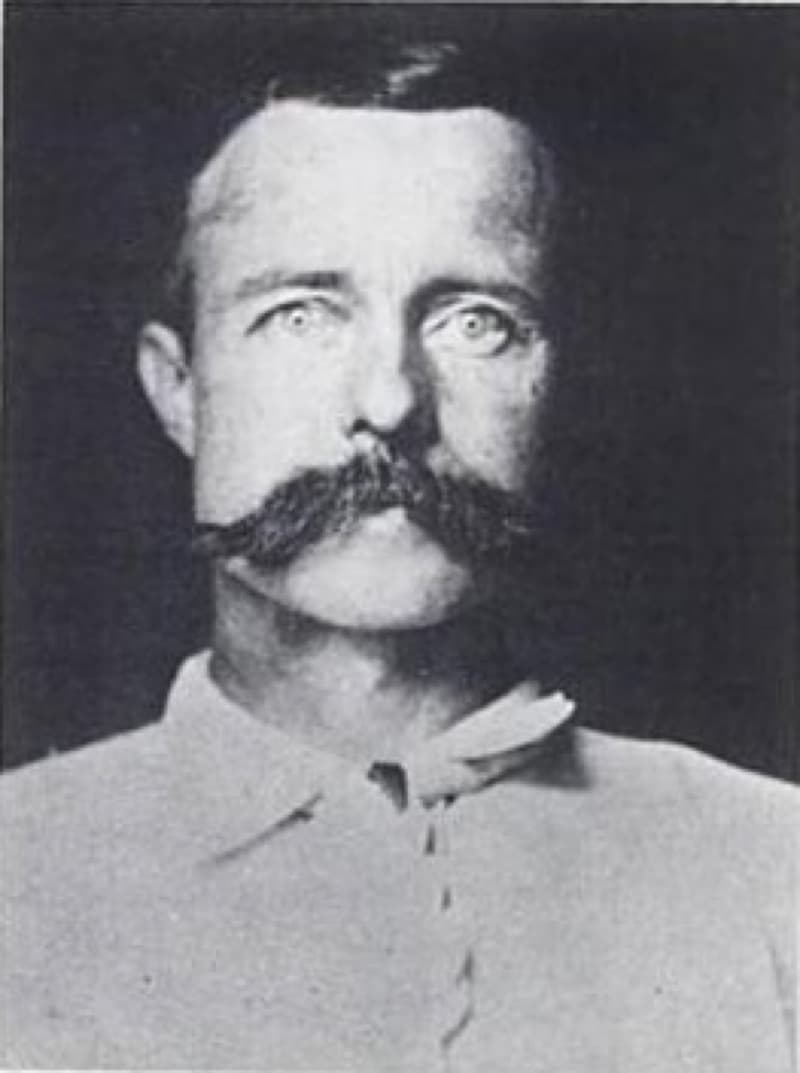
The only hint of a motive is what Billy said on his deathbed, and that is stretching it. Dr. G.C. Willis stated that Billy said “he was a murdering son of a b—- to shoot a man in the back. I was examining the back when he made that remark. I think he received the wound in front.”15 Was he speaking of Frank as the shooter of the man he was avenging? Or was he confused on his deathbed, speaking of Frank shooting him?
Some years later Buckskin Frank was sent to Yuma Territorial Prison. While there, he supposedly admitted to a guard that he had killed Johnny Ringo in self-defense.14 It has never been verified, and the evidence is far too cold to make a case of it now. Still, this may be the most plausible of the theories.
Ringo Killed by Wyatt Earp
As Wyatt Earp grew older he began reminiscing about his Wild West life. His wife Josephine shaped the story, making sure it was told in a heroic light. In the 1920s they both spoke with authors who could write Wyatt’s biography, with eventual sales in mind.
One account Wyatt gave was that he killed Johnny Ringo. He claimed it happened during the Vendetta Posse ride, as they finished their tracking and were about to leave Arizona. Later he drew a diagram for these authors to make the tale seem more valid.13
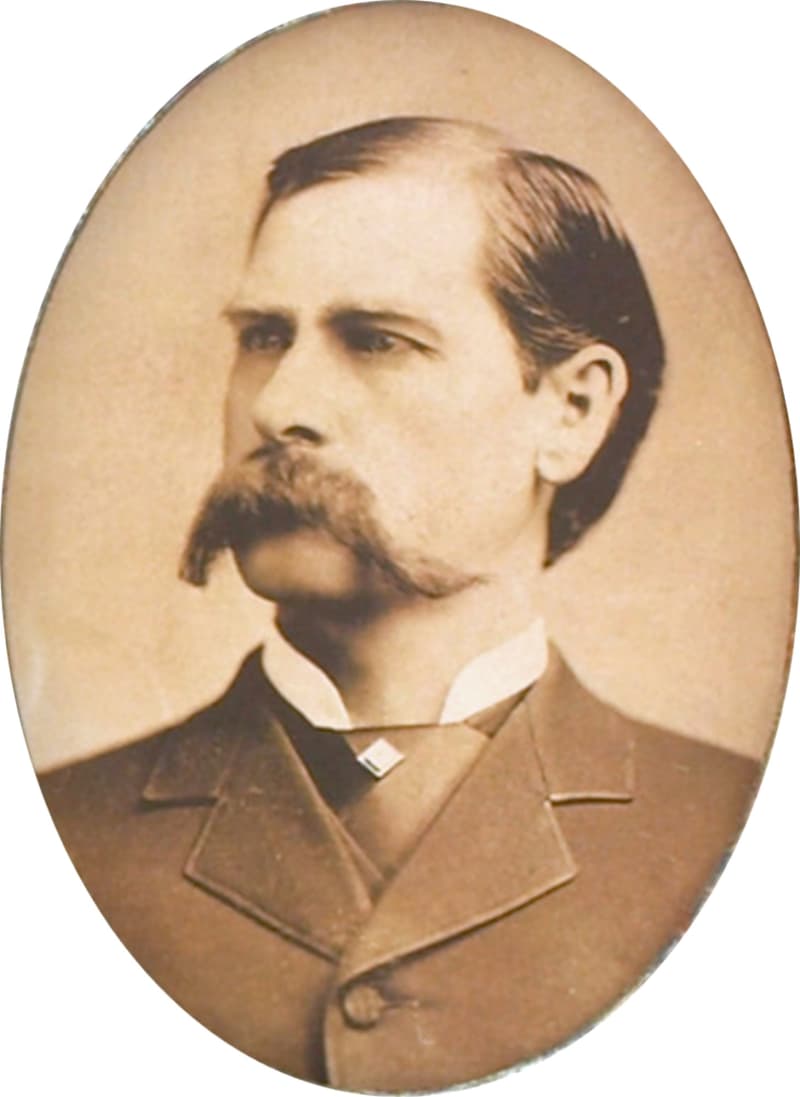
The problem is that the posse crossed into New Mexico in April 1882.13 They left because they were wanted men, with warrants out for them in Arizona. Ringo was found dead about three months after they crossed the border.
It seems unlikely they would stay, or return, with the risk of arrest. From New Mexico they moved on to Colorado, and Wyatt later went to California. He did not return to Arizona for many years, and then only when summoned to testify in a court case involving a neighbor from his Tombstone days.
Most authorities on Western history do not believe Wyatt Earp had anything to do with killing Johnny Ringo. There are too many discrepancies, and Wyatt contradicted himself a number of times. In his later years he embellished his life’s activities, encouraged by his common-law wife Josie. A few historians, however, do support his version.
Ringo Killed by Johnny-Behind-the-Deuce
His real name was Michael O’Rourke (the newspapers dropped the “O”). He went by the nickname “Johnny Behind the Deuce” because he was a gambler. On January 14, 1881, he was eating and having a few beers in a Charleston hotel bar when, he said, he was insulted by P. Schneider, a popular Charleston mining engineer. He shot Schneider dead.16
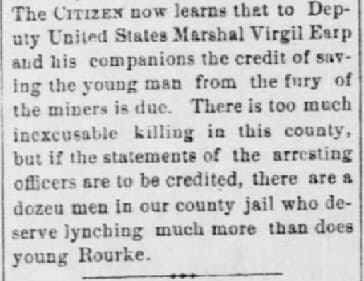
O’Rourke was first brought to Tombstone, to Vogan’s Saloon, and then on to jail in Tucson. The newspaper account says a mob followed him to Tombstone bent on vigilante justice. The prisoner was protected by Constable McKelvey, Marshal Sippy and local Tombstone officers,13 certainly including Virgil Earp.
Wyatt Earp, deputized by his brother, was probably among the protectors at some point. That is supported by Tombstone diarist George Parsons.17 He was certainly not the lone hero that some sources make him. Some talkers say the vigilante mob was led by Johnny Ringo, or even drag in Ike Clanton. There is no documentary evidence for this. The mob consisted of miners who liked Mr. Schneider.
O’Rourke felt he had acted in self-defense, and fearing for his life he took no chances with the local law. He escaped from jail on April 18. The Tombstone Epitaph reported on May 13, 1881: “‘Johnny-Behind-the-Deuce’ was seen three days ago, we are informed, in the Dragoon Mountains. He was well mounted and equipped, and was on the eve of departure for Texas.”17 He left Arizona and was never seen there again.
Ringo Killed by Doc Holliday
This version intertwines with Wyatt Earp’s. Glenn Boyer, a Cochise County resident, retired Air Force lieutenant colonel, novelist and self-proclaimed Wyatt Earp historian, wrote a chronicle of what Josephine Earp told him about Johnny Ringo’s killing.
Doc Holliday rode with Wyatt on the Vendetta Posse. In this version, when they tracked Ringo down it was Doc, not Wyatt, who fired the fatal shot. The same timeline problem arises as with the Wyatt version. Some say a group made its way back to Arizona from Colorado in July, and that it could have included Wyatt and Holliday. With warrants out for their arrest, that would have been an unlikely chance to take. Most historians, for a wide variety of reasons, reject this possibility.
It was portrayed in the 1993 movie Tombstone, and it made a great tale. But on the evidence it seems far-fetched to us. For the film’s version of the showdown, see our Tombstone movie quotes.
Johnny Ringo’s Gravesite
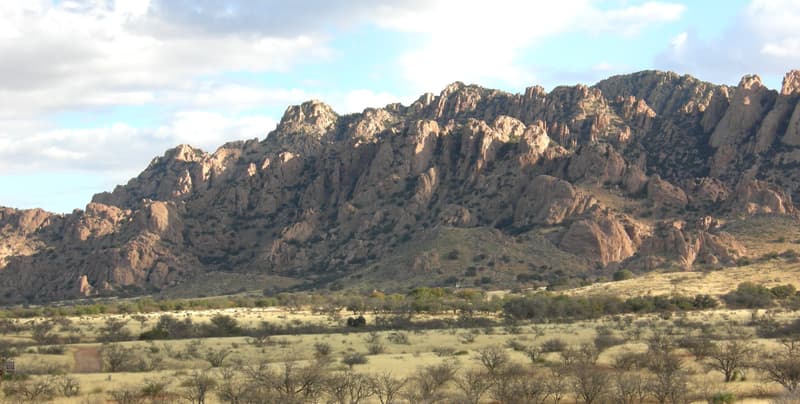
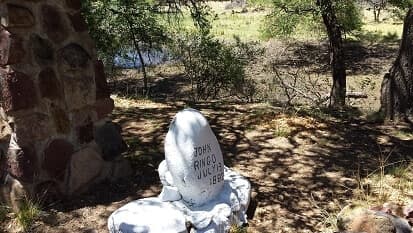
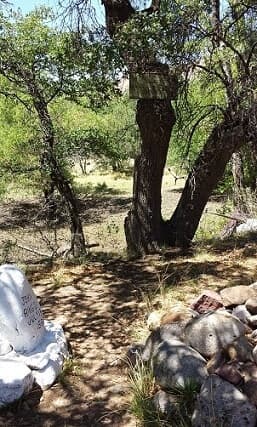
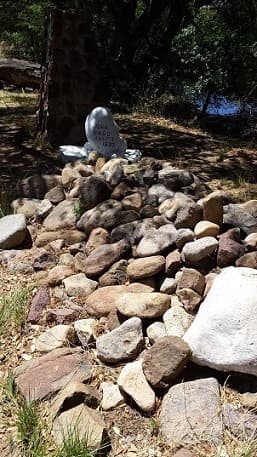
Ringo’s grave was dug right after his body was discovered. He was buried a short distance from the oak tree where he was found, on the flat stone in the “crotch” of the trunk that spread from its base.
The grave sits on private ranch land in the Turkey Creek area, on the west side of the Chiricahua Mountains. The owners kindly allow visitors, and everything you need to know is posted at the entrance. We remember how hard the site was to find in years past, because of that. Here is a map of the route:
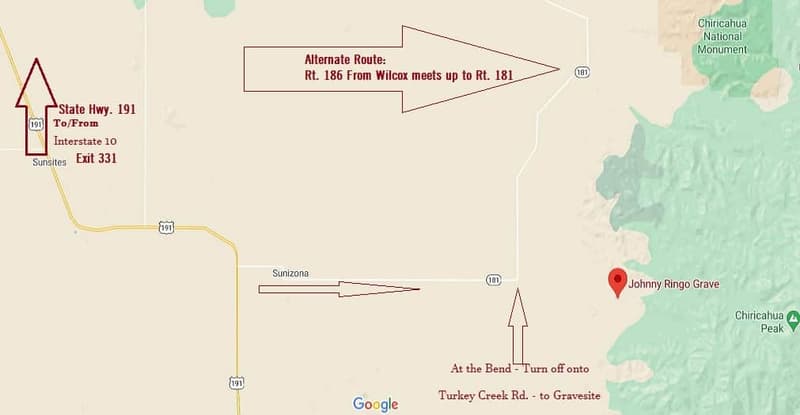
Because of the owners’ hospitality you can visit, as long as you are mindful of their considerations. Read the rules at the gate before you go in, and close the gate behind you. Here is how we respectfully visited Johnny Ringo’s grave.
- Visiting hours are posted at the entrance
- It is private, unmaintained land, so watch your step
- No littering
- No smoking
- Pets must always be leashed
- No picnics
- It is not a hiking area
A short trail leads from the gate to the site, where a historic plaque marks the spot.
References
1 Paul, L. (2005, December). Johnny Ringo. Retrieved from www.thehighchaparral.com/historic6.htm
2 Geni (2018, May 23). John Peters “Johnny” Ringo. Retrieved from www.geni.com/people/John-Ringo/366337246580011841
3 Gressinger, J. (2010-2018). Who Killed Johnny Ringo? Retrieved from southernarizonaguide.com/death-johnny-ringo/
4 The Wild West (1999-2018). Wild West Outlaws and Lawmen: John Ringo. Retrieved from www.thewildwest.org/cowboys/wildwestoutlawsandlawmen/186-wildwestoutlawjohnringo
5 McNeal, S.J. (2013, June 18). Who Shot Johnny Ringo? Retrieved from sweetheartsofthewest.blogspot.com/2013/06/who-shot-johnny-ringo.html
6 Caldwell, C. R. (2011). A day’s ride from here: Mountain Home, Texas. Volume 1. Charleston, SC: The History Press. ISBN 978-1-60949-393-6.
7 Gatto, S. (n.d.). Johnny Ringo history page. Retrieved from www.johnnyringo.com/
8 Dyke, S. (2017, Aug. 23). Meandering the mesquite: Johnny Ringo: The myth meets the truth. Green Valley News. Retrieved from www.gvnews.com/get_out/meandering-the-mesquite-johnny-ringo-the-myth-meets-the-truth/article_f57261fc-84fd-11e7-88d1-b3deace369b0.html
9 Arizona Weekly Citizen (1882, Jan. 22). Almost a tragedy. As reported by the Tombstone Nugget. Retrieved from www.newspapers.com
10 Roberts, Gary L. (2007). Doc Holliday: The Life and Legend. New York, NY: Wiley, J. p. 544. ISBN 978-0-470-12822-0.
11 Brand, P. (2007, March). Wyatt Earp’s vendetta posse. Wild West. Retrieved from www.historynet.com/wyatt-earp
12 Tombstone Weekly Epitaph (1882, July 22). Death of John Ringo: His body found in Morse’s Canyon, probably suicide. Retrieved from www.newspapers.com
13 Bell, B.B. (2005, Aug. 1). The mysterious death of John Ringo: John Ringo vs. himself? True West. Retrieved from truewestmagazine.com/the-mysterious-death-of-john-ringo/
14 Stockmar, S. (2016, April 27). Who killed Johnny Ringo? Herald/Review Media. Retrieved from www.myheraldreview.com/news/who-killed-johnny-ringo/article_0419b66c-0cd0-11e6-8094-63edd32e8c67.html
15 Tombstone Weekly Epitaph (1882, Nov. 18). Leslie’s luck: “Billie the Kid” takes a shot at “Buckskin Frank.” Retrieved from www.newspapers.com
16 Arizona Weekly Citizen (1881, Jan. 15). Another murder: Mike Rourke shoots and instantly kills P. Schneider, chief engineer of the Tombstone Mill – Rourke narrowly escapes lynching – two conflicting reports. Retrieved from www.newspapers.com
17 Bell, B.B. (2005, March 1). Gunfight at the Stilwell corral: Johnny-Behind-the-Deuce vs. Phillip Schneider. Retrieved from truewestmagazine.com/gunfight-at-the-stilwell-corral/
18 Earp, W. & Others (1998, 2013). Wyatt Earp Speaks. Edited by Stephens, J.R. Cambria, CA: Fern Canyon Press.
19 Tefertiller, C. (1997). Wyatt Earp: The Life Behind the Legend. New York, NY: John Wiley & Sons.
5 comments
We’re Johnny Ringo killed,& not killed himself,look for who had the most motive to do so.That would be the likely culprit.
So the doc couldn’t have killed him? Doc was dead already? If not could have the doc have slipped away and do it. But Im not sure if he was alive
No doubt Ringo was killed by someone who clumsily (yet successful) staged it as suicide. The perpetrators began to scalp Ringo and decided not to half way through the act. He was alone, vulnerable, maybe even welcoming of his killer(s).
Suicide
I THINK THAT ONE OF HIS GANG SHOT HIM