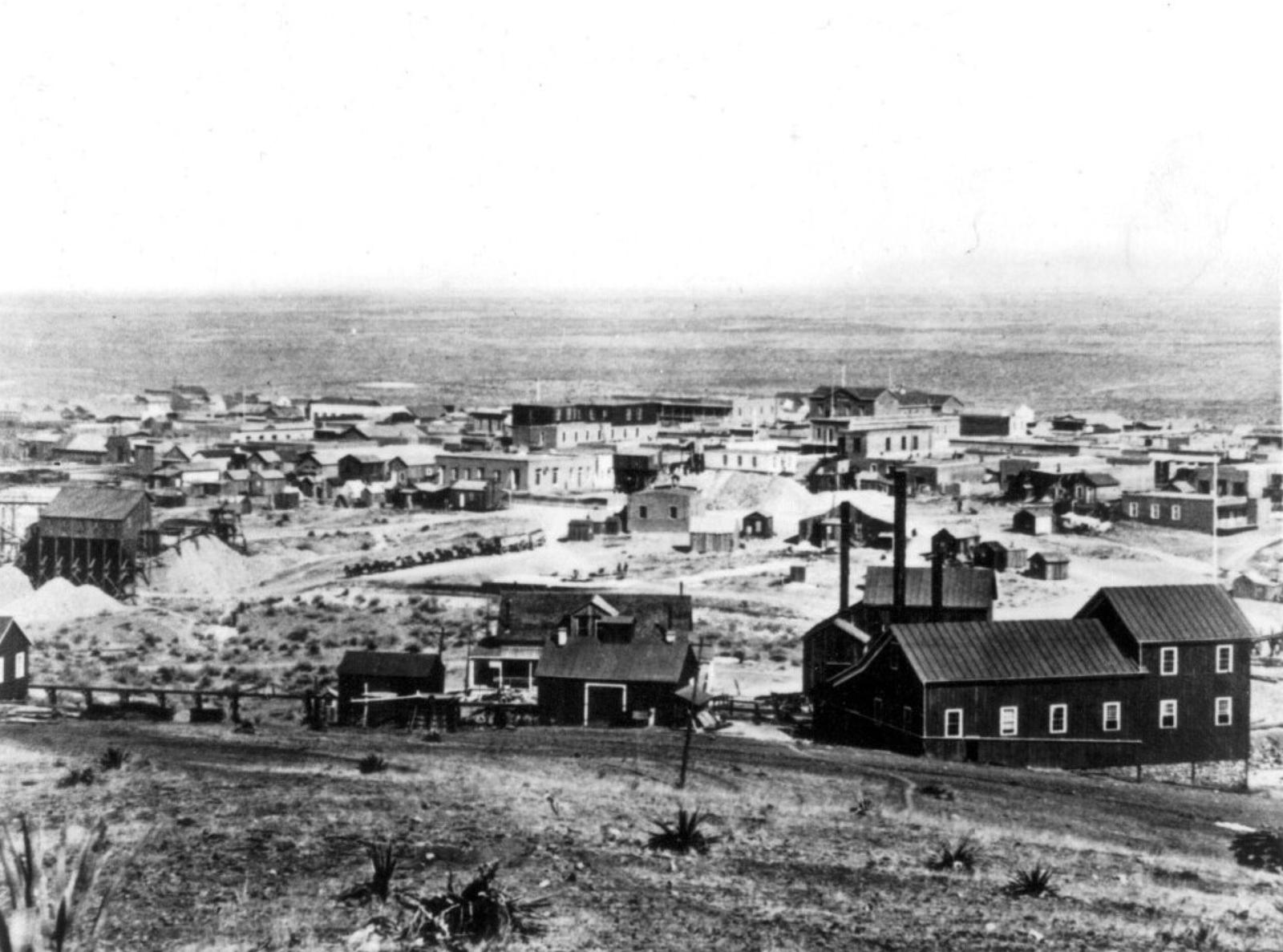
Old West gunfighters were people, mostly men, who were handy with their firearms during the settling of the American West in the 1800s. Not all of them were outlaws, although many were. Some were lawmen, at least for part of their lives. Some were known as lawmen yet went outside the law to get what they wanted, sometimes delivering vigilante justice. Others were on the wrong side of the law from childhood on.
Many of them are famous because of one particular gunfight, like the Gunfight at the O.K. Corral here in Tombstone, Arizona. So we start with that one and the gunfighters who were there, then look at others who came through Tombstone and at the best-known gunfighters across the West.
The Gunfighters of the O.K. Corral
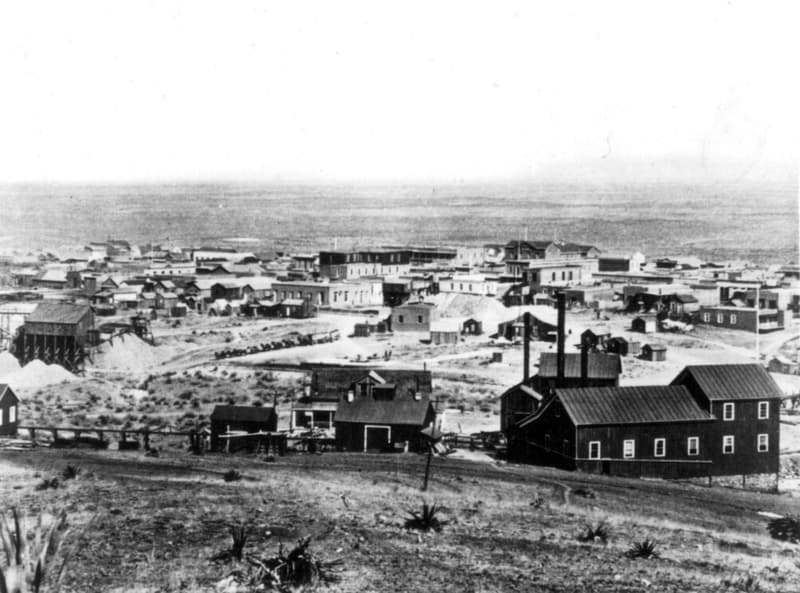
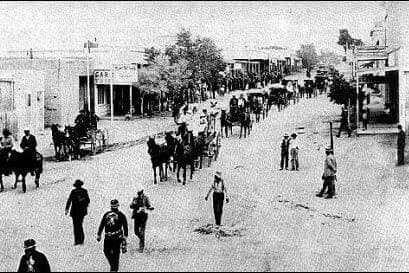
The Gunfight at the O.K. Corral is what put Tombstone on the map. Once automobile travel made tourism popular, the town began to make the most of its history, and many residents now rely on tourism for their living. One of the first attractions was Boothill, which is still a popular place to visit.
Among the best-liked attractions in town are the gunfights. People want to know about the firearms used in the Wild West, and of all the gunfights, the must-see is the Gunfight at the O.K. Corral. It’s worth knowing the true history of how it developed and why it happened, because it really is a true story.
The Reenactment
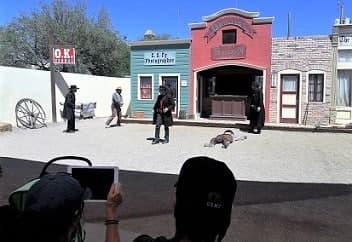
At the O.K. Corral attraction, visitors sit on shaded bleachers and watch actors portray the gunfighters who took part. The show isn’t staged at the actual spot; it uses false storefronts. It’s a short, entertaining skit that gives you an idea of what happened that day, and it keeps the little ones entertained too.
Where the Gunfight Really Happened
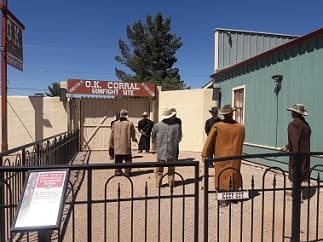
The gunfight itself happened in a narrow vacant lot next to photographer C.S. Fly’s studio, behind the O.K. Corral. There you can see life-size figures placed where each man stood when the shooting started:
- The McLaurys, Tom and Frank
- The Clantons, Ike and Billy
- The Earp brothers: Wyatt, Virgil and Morgan
- Doc Holliday
A narration walks you through the fight and shows who fired when.
A National Sensation
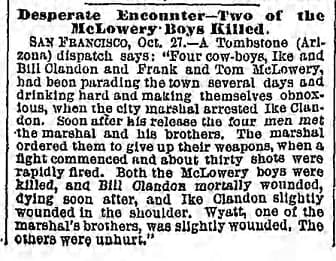
These gunfighters made news across the country and even abroad. As in the telephone game you may have played in school, the story changed as it was retold. This news report, like many others, had errors.
Have you seen the movies or read about the gunfight? Do you think the Earps were in the right, or were the McLaurys and Clantons wronged? Was it just one of those things that turned out badly? Tell us on our shootout at the O.K. Corral page.
More Gunfighters Who Came Through Tombstone
Many other gunslingers passed through Tombstone at one point or another.
The Cow-boys and Their Circle
- William “Curly Bill” Brocius: One of the Cow-boys of 1880s Cochise County who regularly tangled with the Earps and other Tombstone lawmen.
- Johnny Ringo: Troubled since his teens, he was involved in a Texas range war before coming to the Tombstone area. His whole story is something.
- Billy Claiborne: Known as a miner, drover and cattleman. A regular associate of the Cochise County Cow-boys, he ran from the O.K. Corral gunfight as soon as the shooting began.
- Billy Clanton: Cattle wrangler on the family Clanton ranch outside Tombstone. He was killed in the O.K. Corral gunfight.
- Ike Clanton: The prime instigator of Tombstone’s notorious gunfight. This Cow-boy often clashed with Doc Holliday.
- Charles “Pony” Diehl: Another Cochise County Cow-boy. Wyatt Earp got a warrant for his arrest for the attempted murder of Virgil Earp, but the case was dismissed for lack of evidence.
- Frank Stilwell: Associated with the Cow-boys. Sheriff John Behan hired him as a deputy, and he lasted about four months before he was fired. He had interests in mining, a saloon, wholesale liquor, a stage line and livery stables. Wyatt Earp killed him in the Tucson rail yard in March 1882.
- David “Dave” Rudabaugh: An outlaw who had ridden with Billy the Kid, he fled to Arizona and sided with the Clantons and the Cow-boys against the Earps. The nickname “Dirty Dave” was attached to him later; there’s no sign he was called that in his lifetime.
- William “Russian Bill” Tattenbaum: He claimed descent from Russian nobility and was associated with the Cow-boys. He dressed like a dandy.
Lawmen, Gamblers and the Vendetta Riders
- Warren Earp: The youngest Earp brother, and the most troublesome. He gave his parents lots of grief growing up.
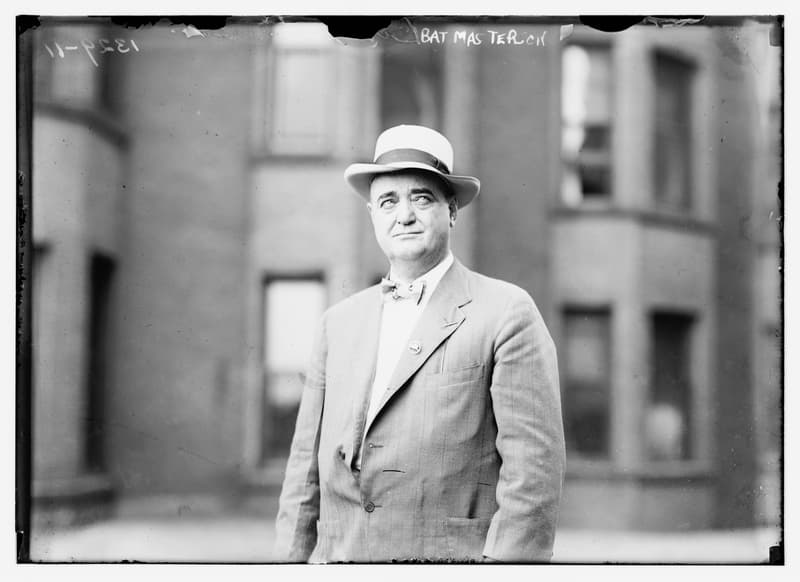
- Bartholomew William Barclay “Bat” Masterson: What a storied life. He was an Army scout, lawman and professional gambler, and a journalist toward the end. He worked with Wyatt Earp in Dodge City.
- Michael “Johnny Behind the Deuce” O’Rourke: A professional gambler who killed a man in Charleston, Arizona. He claimed self-defense.
- Charlie Storms: A professional gambler known throughout the West as a gunfighter. Luke Short shot him dead in Tombstone in 1881.
- Luke Short: For a time he had an interest in the Oriental Saloon. He shot Charlie Storms outside it while serving as a faro lookout.
- “Buckskin” Frank Leslie: A man of many faces: Army scout, gambler, rancher and miner. He tended bar at the Oriental Saloon and was known around Tombstone as a quick-draw gunfighter. Some believe he was a con man.
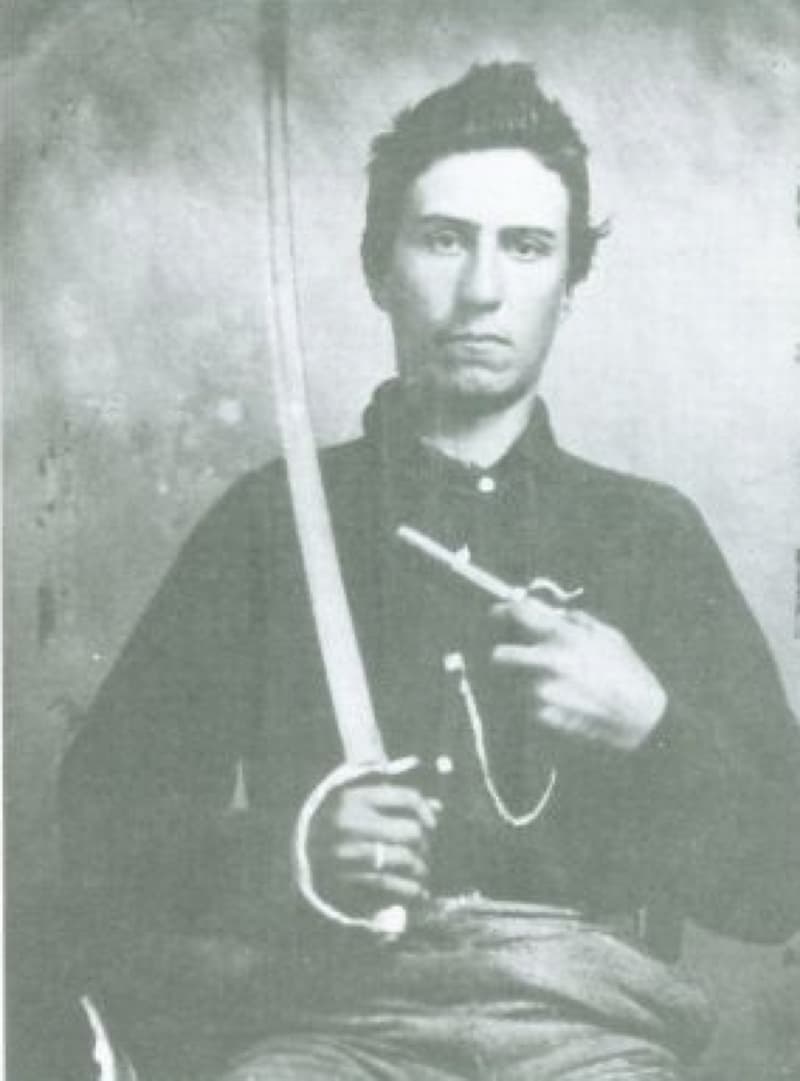
- Sherman McMasters: Best known in Tombstone as Wyatt’s friend who helped on his Vendetta Ride. He was a lawman for a time, but he also ran with the Cow-boys. Also known as Sherm McMasters.
- Texas Jack Vermillion: Known in Tombstone mainly for his part in Wyatt’s Vendetta Ride.
- John Horton “Texas John” Slaughter: A Cochise County rancher who served two terms as county sheriff.
- Burt (Albert) Alvord: Became a deputy under Sheriff John Slaughter in 1886. By the end of the century he had turned to crime, robbing trains.
- Jack Taylor: Led a gang that robbed travelers, stagecoaches and trains in southern Arizona and Mexico in the 1880s. Sheriff Slaughter hunted them through Cochise County.
Women Gunfighters of the Old West
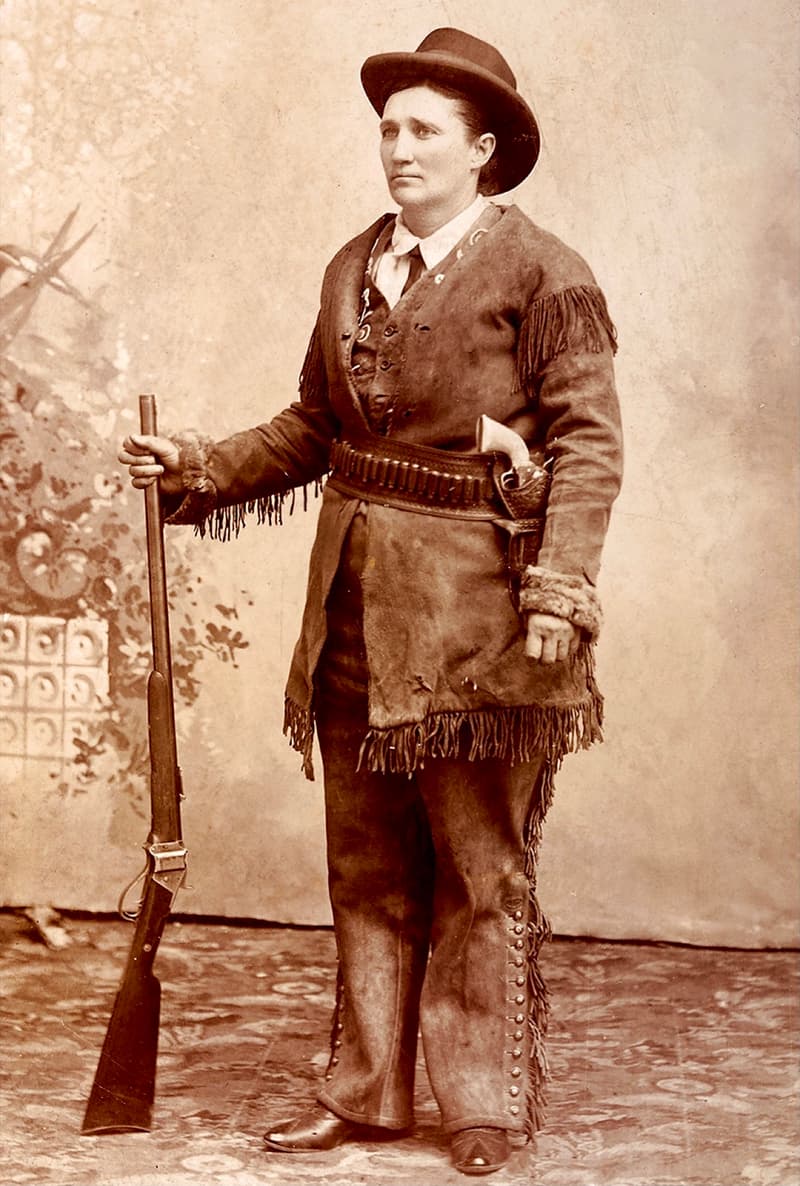
- Martha Jane “Calamity Jane” Cannary: Born in Missouri, the oldest of six children. Her parents died when she was a teenager, and she took charge of her younger siblings. She earned money washing dishes, cooking, waitressing and nursing, worked as a dance-hall girl and drove ox teams. When necessary she worked as a prostitute at the Three Mile Hog Ranch near Fort Laramie, Wyoming. She claimed she scouted for the Army during the campaigns against Native Americans, and that a post commander named her “Calamity Jane” after she saved him from falling off his horse. However she got the name, it was hers by mid-1876, when she joined Charlie Utter’s wagon train to Deadwood and met Wild Bill Hickok. She had two daughters; the claim that Hickok fathered one is unverified. She drank heavily all her life, but she was also known for helping people.
- “Queen” Ann Bassett: Born near Browns Park, Colorado, she grew up on ranches in Colorado and Utah and learned riding, roping and shooting. Her father sold horses and beef to outlaws such as Butch Cassidy. She was well educated at boarding schools but loved ranching. She became romantically involved with Cassidy as a teenager and was friendly with his Wild Bunch. Newspapers called her “Queen Ann” for her outspoken fight against the cattle barons.
- Pearl Hart: Born Pearl Taylor in Canada, she had a good family life and an education. As a teenager she eloped with Mr. Hart, who turned out to be abusive. She left him but tried several times to make the marriage work, including a trip to the 1893 World’s Fair in Chicago, where she saw Buffalo Bill Cody’s Wild West show. Fascinated by cowboys, she ended up in Arizona, supporting herself in various ways. In desperation she robbed a stagecoach with a male accomplice. They were caught, and she went to the Yuma Territorial Prison. Little is known of her later life, but she caused a sensation as a woman stage robber.
- Laura “Della Rose” Bullion: Her origins are obscure, but she was apparently part German and part Native American. She rode with Butch Cassidy’s Wild Bunch, and her boyfriend was Ben “the Tall Texan” Kilpatrick. She served time for her part in the Great Northern train robbery.
- Myra Maybelle Shirley Reed “Belle” Starr: Born and raised in Missouri, she was well educated. As a girl she knew the Younger and James families. Her family moved to Texas in 1864 during the Civil War, and in 1866 she married Jim Reed. Belle dressed stylishly, rode side saddle and was a good shot with her pistols. She had two children with Reed. After he was killed she married Sam Starr, a Cherokee, and moved to his family’s land in Indian Territory. They sheltered and dealt with rustlers, horse thieves and bootleggers. In 1883 Judge Isaac Parker’s court convicted both of horse theft, and they served time. Sam was later killed in a gunfight with his cousin, a lawman. Belle then married Jim July, a Starr relative, to stay on Cherokee land. In 1889, just short of her 41st birthday, she was ambushed and killed. Her killer was never found.
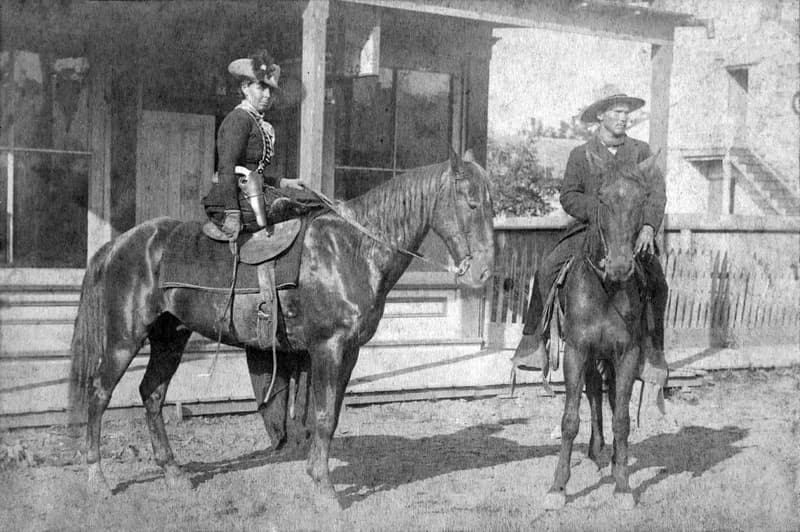
Other Notable Old West Gunfighters
Some names ring a bell right away. Others sound familiar, but you may not know their stories. Here are both the famous and the less famous.
The James-Younger Gang
- Jesse James: A middle child raised in western Missouri. During the Civil War he rode with Confederate guerrilla bands and was wounded twice. While recovering at his uncle’s place, he fell in love with his first cousin, Zerelda Mimms. Jesse and his brother Frank came out of the war bitter, and they saw their bank, train and stagecoach robberies as payback for wartime wrongs. With Cole Younger and his brothers they formed the James-Younger gang. Their fame started an entertainment legacy during their own lifetimes. The Pinkerton Detective Agency tried to catch them, but in the end it was an inside job that got Jesse. Read Jesse’s story.
- Alexander Franklin “Frank” James: Jesse’s older brother. A good student, he planned to become a teacher. He was 18 when the Civil War began and joined the Confederates. When he fell sick and was captured, the Union let him go home on parole. He then joined Quantrill’s Raiders for the 1863 Lawrence Massacre and was in more fights afterward. Later he joined Jesse in years of bank and train robberies that included murders. After Jesse was killed, he surrendered to the authorities, but he was never convicted.
- Thomas Coleman “Cole” Younger: Born in Missouri, one of 14 children. His father supported the Union, but after Union soldiers killed his father, Cole sought revenge. He rode with Quantrill’s Raiders in the Lawrence, Kansas massacre, in which some 150 to 200 men and boys were killed and the town was looted and burned. He said he then left them to join the regular Confederate Army, which sent him to California to recruit, and he came back to Missouri at war’s end. Radical Unionists then ruled Missouri, with harsh restrictions on former Confederates. Cole recruited his brothers and joined a former Quantrill man’s gang that targeted Union-owned businesses. When its leader was killed, Jesse and Frank James joined Cole and his brothers, and as the James-Younger gang they robbed banks, trains and stagecoaches. The Pinkerton National Detective Agency was after them, and they fought lawmen along the way. In the failed 1876 raid on Northfield, Minnesota, the Youngers were captured while the James brothers escaped. Cole and his brothers Jim and Bob pleaded guilty and received life sentences.
- Charles Wilson “Charley” Ford: Joined the Jesse James gang. Charley was the brother of Robert Ford, who killed Jesse, and he was in on the plot. Charley later took his own life.
Outlaws Across the West
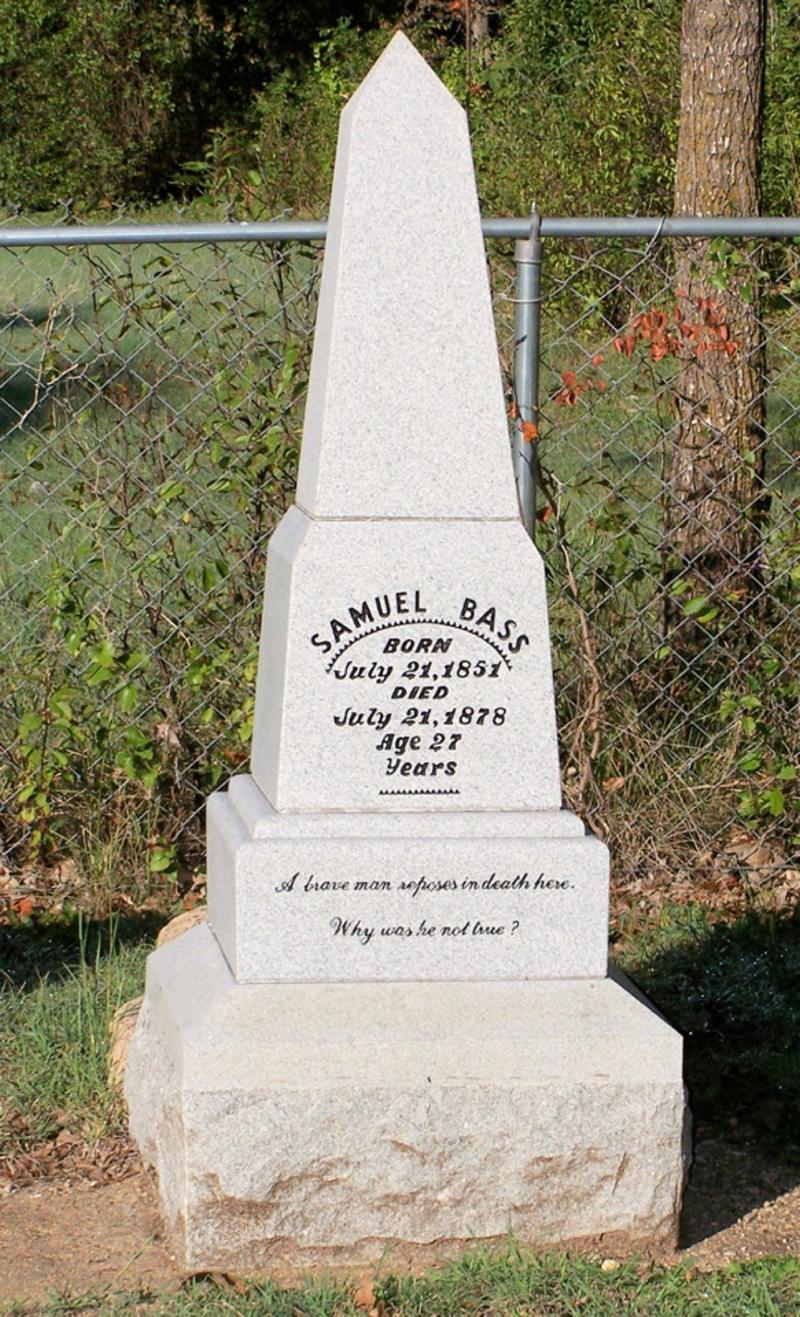
- Sam Bass: An orphan raised by an uncle in Indiana, he was on his own at 18. He went to Denton, Texas, worked for the sheriff and drove freight wagons. He saved money, bought a race horse and began a gambler’s life. After he went broke in the Black Hills, he turned to robbery, first holding up stagecoaches and then trains with the “Black Hills Bandits.” He formed his own gang and robbed trains in Texas. The Texas Rangers came after them, and he was shot in a showdown at Round Rock, Texas, where he’s buried.
- John Wesley Hardin: Born into a Texas preacher’s family, he was a problem child. His first killing, at 15 in 1868, was a former slave, and he claimed many more over the next few years. Arrested in 1871 at 17, he escaped on the way to trial and killed a state police officer. He kept getting into gunfights, and he once shot a man through a hotel wall for snoring. He had a reputation as one of the deadliest gunmen in the West. Texas Rangers finally caught him in Florida in 1877. He was convicted of killing Deputy Sheriff Charles Webb and sentenced to 25 years. Controversy and gunplay followed him to the end.
- Scott Cooley: Taken in and raised by Texas rancher Tim Williamson, he became a Texas Ranger. Deputy Sheriff John Worley arrested Williamson on false charges of cattle rustling, and on the way to jail a mob of German immigrant ranchers killed Williamson. That enraged Cooley and began the Hoodoo War. Cooley waited for the law at first, but unhappy with the results, he and friends like Johnny Ringo took the law into their own hands.
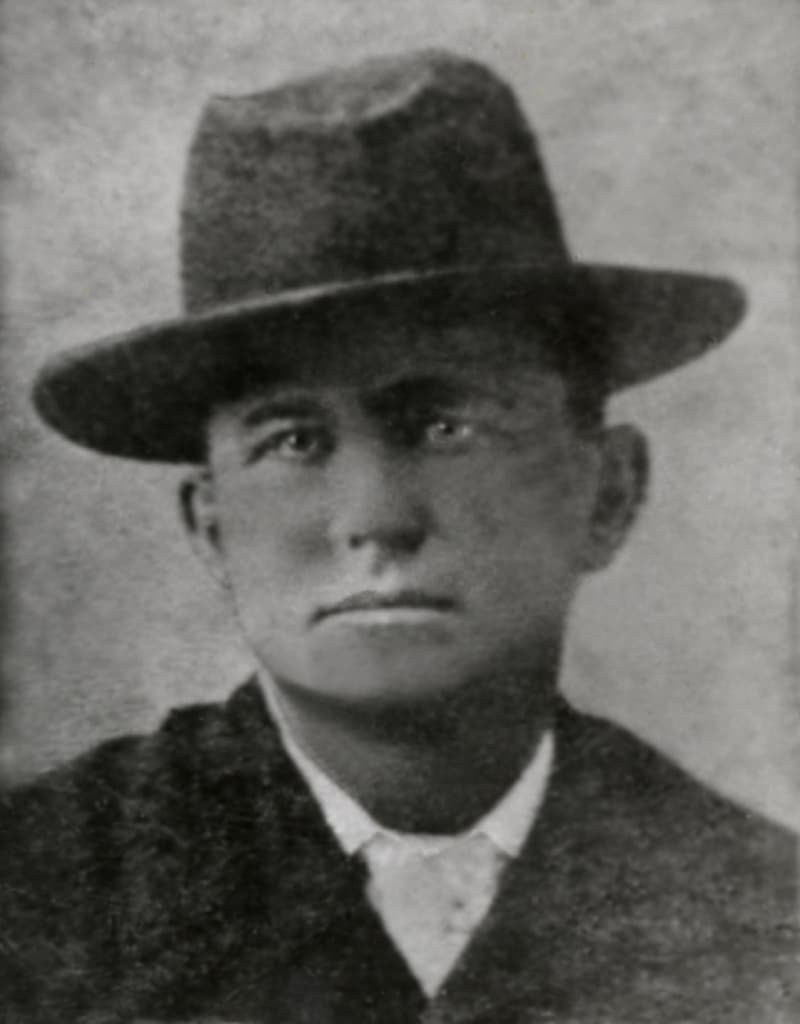
- Ned “NeDe WaDe” Christie: Born in the Cherokee Nation, he served on the executive council of the Cherokee senate and advised Chief Dennis Bushyhead. He was falsely accused of killing a deputy U.S. marshal. He went on the run rather than surrender, and the law wanted him dead or alive. He held out for almost five years until a posse killed him in 1892. In 1918 an eyewitness came forward and cleared him of the crime.
- William Marion “Bill” Dalton: As a young man he was active in Democratic politics in Merced County, California. He didn’t ride in his brothers’ Dalton Gang robberies but acted as their spy and adviser. After Grat and Bob were killed at Coffeyville, Kansas, in 1892, he joined Bill Doolin’s Wild Bunch and was in the 1893 Ingalls gunfight, where three deputy U.S. marshals died. A posse shot him near Elk, Indian Territory, in 1894.
- William “Tulsa Jack” Blake: A cowboy in Kansas and Oklahoma who joined Doolin’s Wild Bunch. The gang specialized in bank and train robberies in western Oklahoma.
- Charles Earl “Black Bart” Boles: Born in England and raised in New York State, he went west for the Gold Rush at about 20. Five years later he was married and living in Illinois, and he fathered four children. He fought for the Union and was wounded. In the late 1860s he prospected for gold in Montana and Idaho, where he had a run-in with Wells Fargo. He vowed revenge, took up his nickname and began robbing Wells Fargo stagecoaches, famously leaving poems behind. When he was finally caught, he went to San Quentin.
Billy the Kid and Pat Garrett
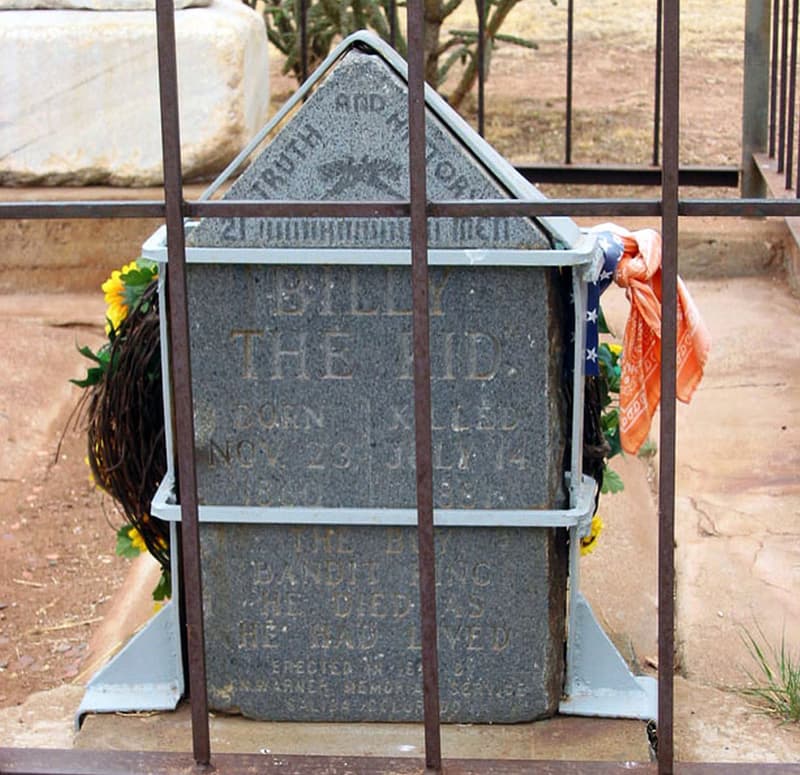
- William H. “Billy the Kid” Bonney (born Henry McCarty): He had a hard young life in New Mexico; his mother died when he was 14. At 16 he was arrested for stealing food, and he kept on stealing. To escape arrest in New Mexico he went to Arizona, where he committed his first killing. Back in New Mexico he joined the Regulators in the Lincoln County War, where he gained his fame. Legend credits him with 21 killings; historians link him to nine.
- David Lawrence “Billy Wilson” Anderson: Started out as a Texas ranch cowboy. After he was accused of passing counterfeit money, he rode with Billy the Kid. He was arrested, served time and escaped, then went back to Texas and his birth name, with a family and a ranch. President Cleveland pardoned him in 1896. He became a customs agent and then a county sheriff.
- Patrick Floyd Jarvis “Pat” Garrett: Born in Alabama and raised in Louisiana, his family suffered heavily in the Civil War. He left home at 18 and was hunting buffalo in Texas by 1876. By 1880 he was in New Mexico, where fame found him as Lincoln County sheriff and a deputy U.S. marshal. His focus was bringing Billy the Kid to justice, and he shot him dead on July 14, 1881. Some called him an assassin for it. He was briefly a Texas Ranger captain, then returned to New Mexico as Doña Ana County sheriff. He remained a controversial figure there.
Butch Cassidy’s Wild Bunch and Other Train Robbers
- Robert Leroy “Butch Cassidy” Parker: Raised by Mormon parents in Utah, he left home before adulthood. Working on a ranch, he met cattle rustler Mike Cassidy and later took his name, adding “Butch” after working as a butcher in Wyoming. He mostly worked as a cowboy until 1889, when he robbed a bank at age 23. Eventually he teamed up with Harry Longabaugh, the Sundance Kid.
- Harry Alonzo “Sundance Kid” Longabaugh: Butch Cassidy’s partner in the Wild Bunch. Born in Pennsylvania, the youngest of five children, he went west at 15. Around age 20 he stole a gun, horse and saddle in Sundance, Wyoming, and served 18 months in jail; afterward he called himself the Sundance Kid. He worked on ranches and wasn’t really a gunfighter when he joined Cassidy, though he took part in a shootout with lawmen near the Hole-in-the-Wall hideout. Etta Place became his companion. To escape the constant pressure of the law, he and Etta left for Argentina in 1901. He is generally believed to have died in a shootout in Bolivia in 1908.
- Harvey Alexander “Kid Curry” Logan: Grew up learning the cowboy life. In Montana he clashed with Pike Landusky, a miner and town founder, who filed assault charges against him; Curry later shot Landusky dead. He rode for a time with Black Jack Ketchum, then he and his brother left after a quarrel and joined the circus. They worked on a Colorado ranch, then formed a gang and robbed banks and post offices. In 1899 he rode with Cassidy’s Wild Bunch and was in many gunfights with the law. He is said to have died in 1904 near Parachute, Colorado, but his ending is still disputed.
- George Sutherland “Flat Nose” Currie: Born in Canada, he moved to Nebraska as a boy. He started with rustling and moved on to robbery with a gang, getting into gunfights to survive. He helped Cassidy’s Wild Bunch rob the Union Pacific Overland Flyer. He was killed by a Utah sheriff’s posse during a rustling job.
- Thomas E. “Black Jack” Ketchum: Born in Texas, he went to New Mexico in 1890. He worked as a cowboy, then robbed trains and stagecoaches and ran with outlaws of the Hole in the Wall Gang. He also pulled jobs on his own, including his last, when the train conductor shot him. He was found and arrested the next day, sentenced to death and hanged, and the hanging decapitated him.
- Ben “Tall Texan” Kilpatrick: Born in Texas, he started adulthood as a cowboy, befriended outlaws and joined Cassidy’s Wild Bunch. He was imprisoned for a time and went back to crime after his release. During a train robbery attempt, the Wells Fargo messenger defended the express car by hitting him with an ice mallet, killing him.
Lawmen with Fast Guns
- Charles E. “Charlie” Bassett: He turned up near Dodge City, Kansas, at about 25 and opened the original Long Branch Saloon with a partner. In 1873 he was chosen as the first Ford County sheriff and was re-elected twice. Barred by law from another term, he became Dodge City’s marshal, with Wyatt Earp as his assistant marshal. He dealt with quite a few gunfighters during his lawman days.
- William L. “Buffalo Bill” Brooks: Nicknamed for his success as a buffalo hunter, he also drove a stagecoach. In 1872 he became marshal of Newton, Kansas, and then took the marshal’s job in Dodge City, where he was said to have been in 15 gunfights in his first month.
- Seth Bullock: Born in Canada, he ran away at 16 to his sister’s home in Montana, where he became a county sheriff. He then moved to Deadwood, Dakota Territory, and was soon appointed sheriff. He became a successful businessman and a lifelong friend of Theodore Roosevelt.
- Timothy Isaiah “Longhair Jim” Courtright: Born in Illinois, he practiced with guns growing up and served with the Union in the Civil War. He moved to Fort Worth, Texas, and in 1876 became the city’s first elected marshal, building a tough reputation with his gunfights. He later served as a marshal in New Mexico, adding a few more shootings to his record. He died in a gunfight with Luke Short.
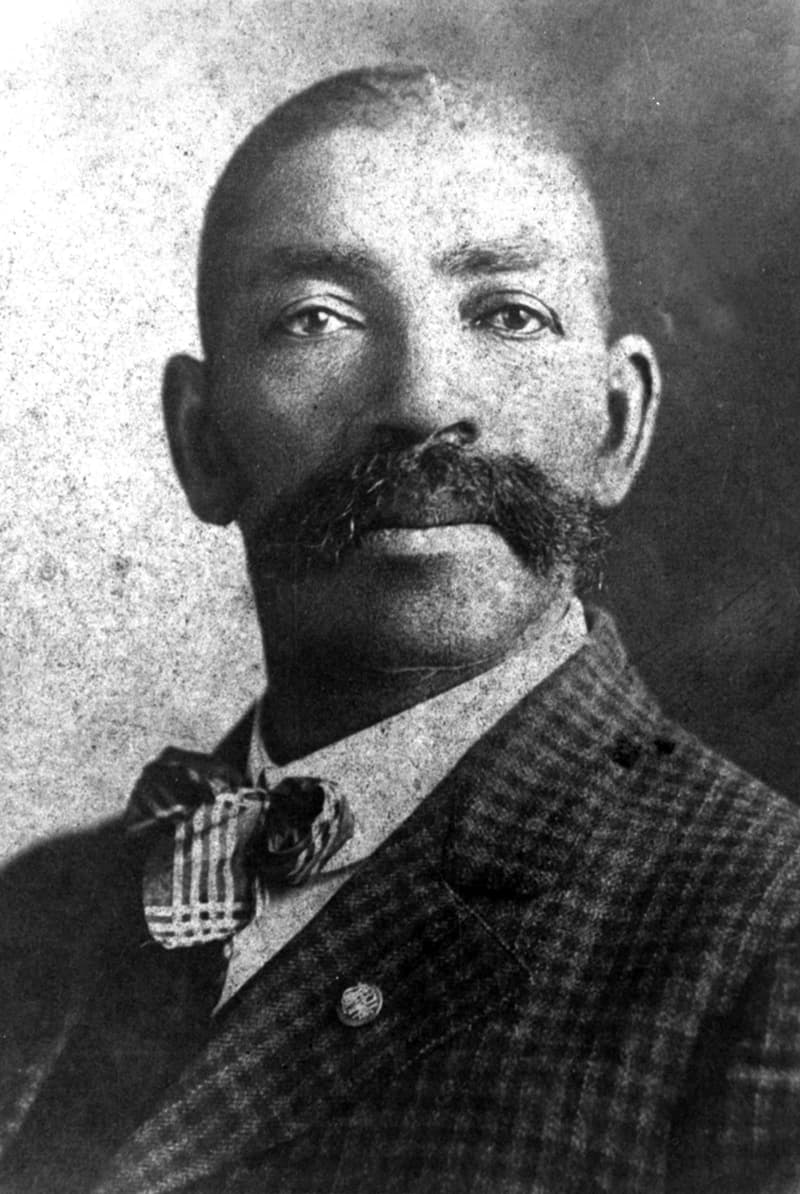
- Bass Reeves: Born into slavery in Arkansas, held by state legislator William Steele Reeves. That family moved to Texas when Bass was about eight, and later he was with the son, George Reeves. Bass fled north to Indian Territory and lived among the tribes there, learning their languages. After slavery ended he returned to Arkansas as a free man, married, farmed and eventually had 11 children. In 1875 he was hired as a deputy U.S. marshal for western Arkansas and Indian Territory, partly because he spoke the languages. In 32 years in law enforcement he is credited with more than 3,000 arrests, and he killed at least 14 outlaws. In his last years he served about two years on the Muskogee police force.
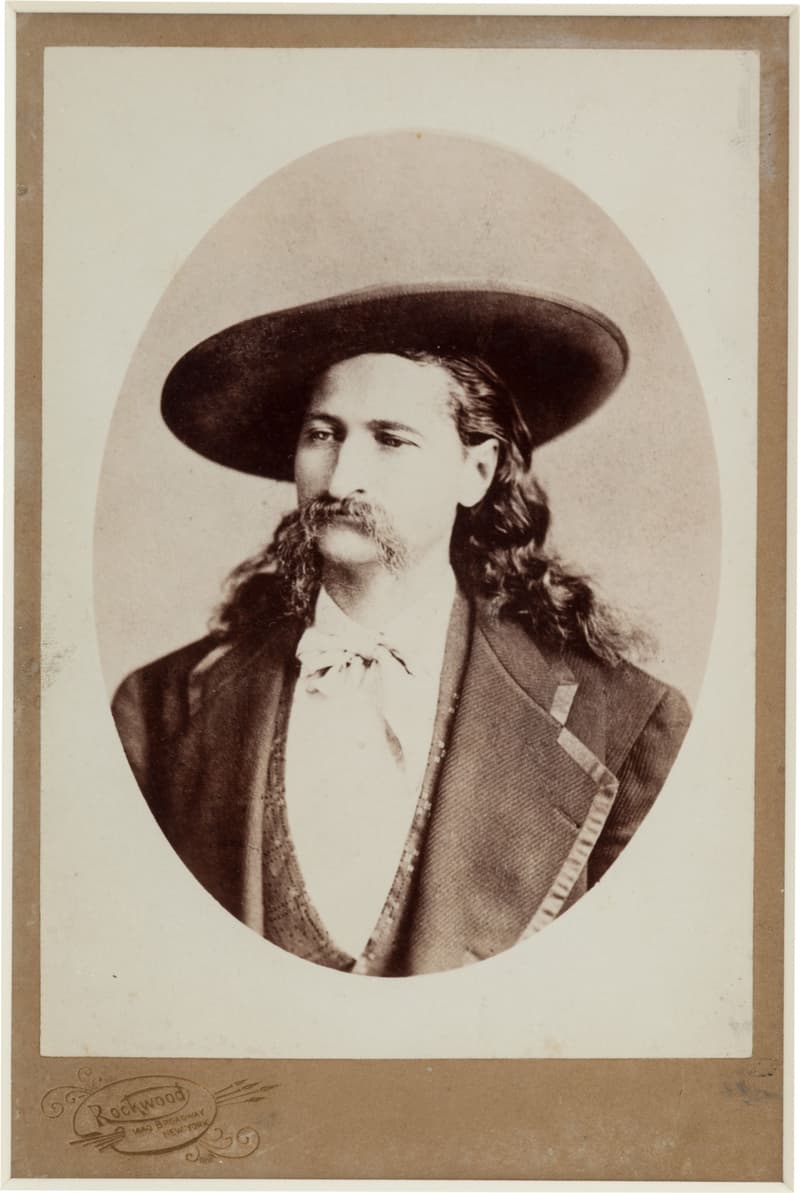
- James Butler “Wild Bill” Hickok: His talents covered many jobs: drover, wagon master, soldier, spy, scout, lawman, gunfighter, gambler, showman, actor and embellisher of his own life. He did a lot, and made it sound even more exciting. He grew up in Illinois with plenty of freedom and adventure, and went west after a fight in which he wrongly thought he had killed another youth. He was no stranger to gunfights as a marshal or a gambler, and that’s how his life ended: he was shot during a card game in Deadwood.
No comments yet