
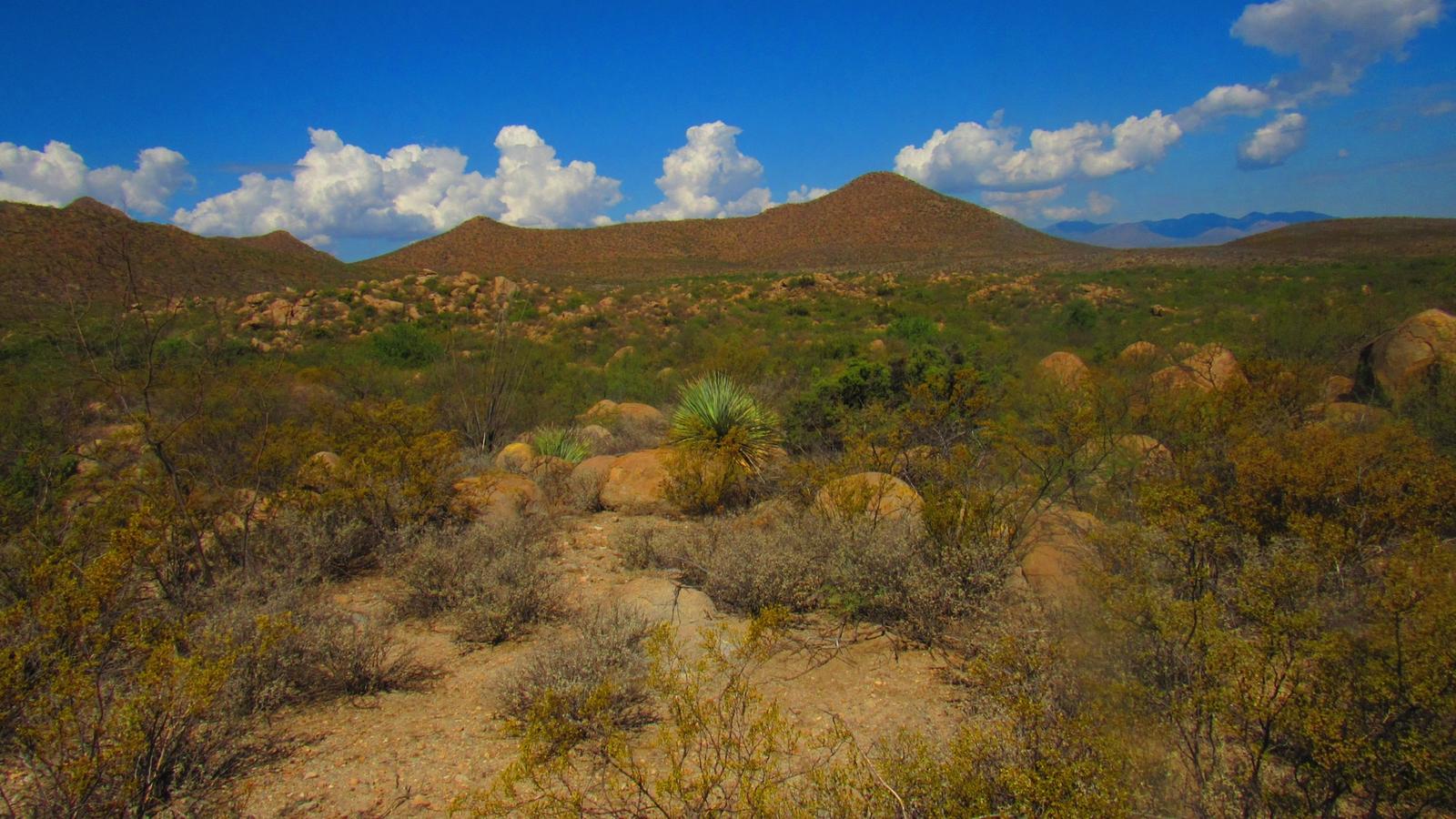
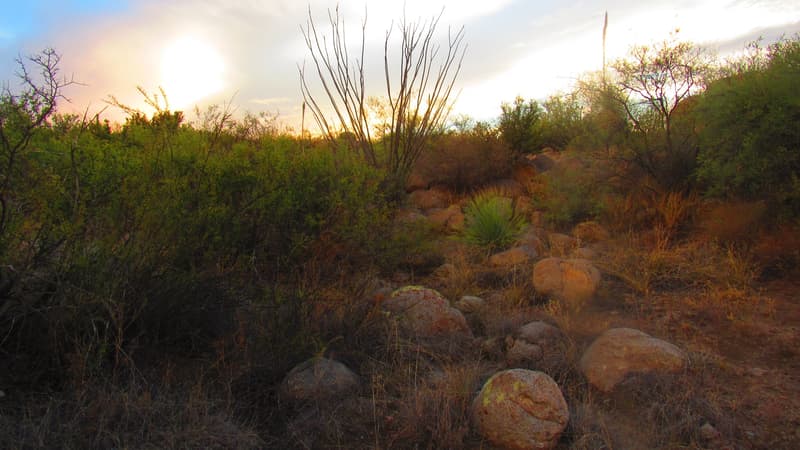
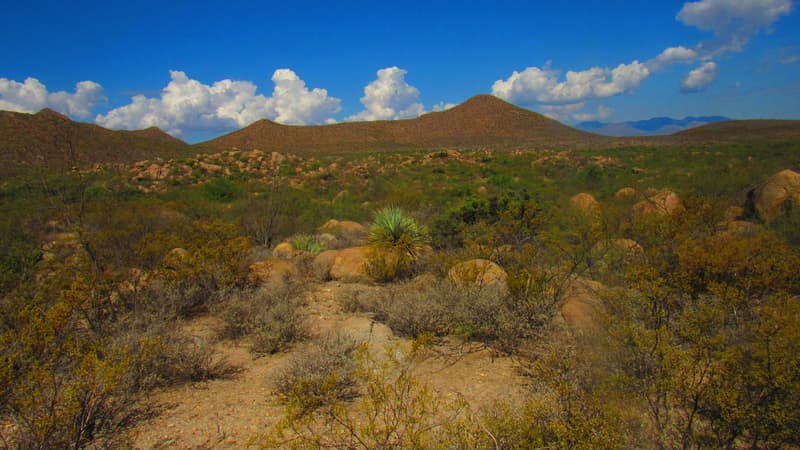
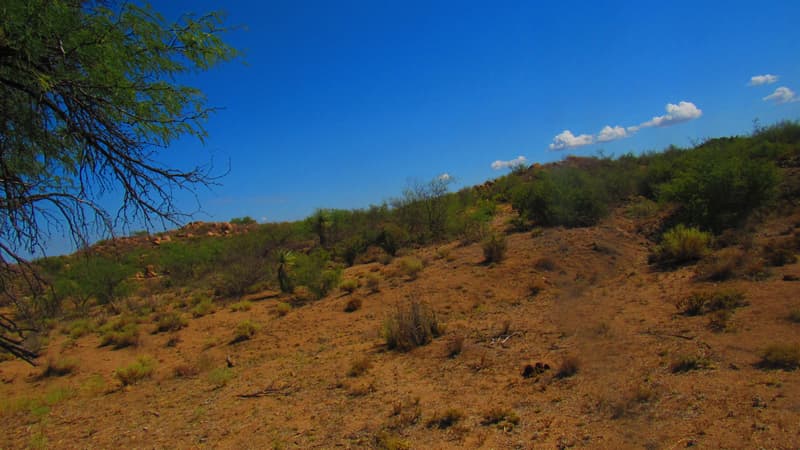
The Chihuahuan Desert surrounds Tombstone, Arizona. It may not look like much from the highway, but it has its own particular plants and animals, and a lot of variety within it, mostly depending on elevation.
Here’s our guide to the desert around town: how it differs from the Sonoran Desert around Tucson, the animals and birds you may meet, the plants you’ll wonder about, and the mountains you can explore.
Elevation, Climate and Microclimates
Tombstone sits 4,541 feet above sea level. In desert areas like this, the temperature drops about 3.5 degrees Fahrenheit for every 1,000 feet you climb. Bisbee, about 25 miles southeast, is roughly 1,000 feet higher, and it’s normally that much cooler than Tombstone.
Those temperature differences affect which plants grow in an area, and to some degree the animal life too. Sunlight and slope matter as well: north-facing slopes, out of the most direct sun, can be much cooler.
There are several types of desert around the world, and each has its own microclimates. Sometimes the microclimates of neighboring deserts overlap, and sometimes they differ. Tombstone, and much of the Chihuahuan Desert in the U.S., can be considered a warm or intermediate desert.1
The Chihuahuan Desert Compared With the Sonoran Desert
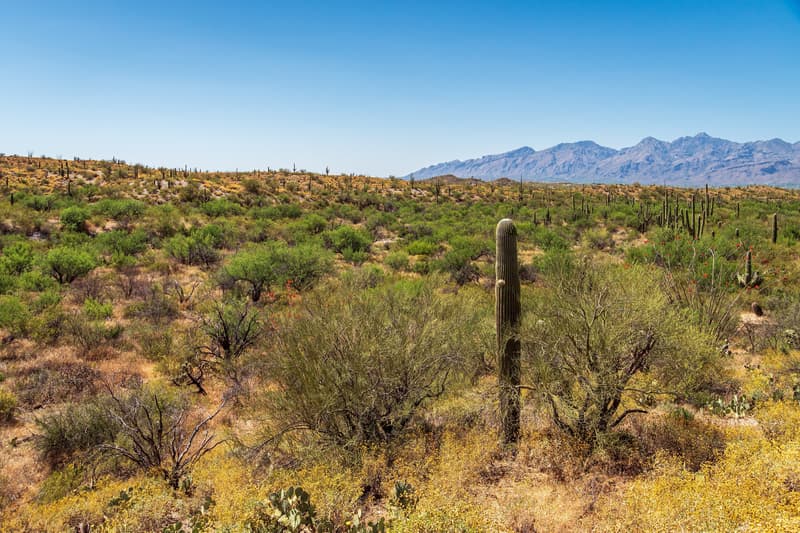
Tucson, about 70 miles from Tombstone, is in the Sonoran Desert. I believe it’s one of the most beautiful deserts in the world, if not the most beautiful. Its plant life is abundant, diverse and extraordinary.
Tombstone, on the other hand, is in the Chihuahuan Desert. Here the elevation is about 2,150 feet higher than Tucson’s, and the town gets about 2 inches more rain a year. Yet its natural plant life is less varied.
In general, the Chihuahuan is a high desert, especially compared with the Sonoran and some of the other deserts in the United States.
Chihuahuan Desert Animals
These are some of the common, and some less common, animals you may come across around Tombstone, especially while hiking. Some encounters are welcome. Others, maybe not.
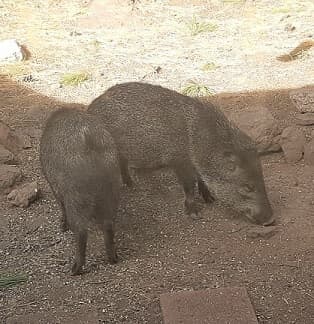
Javelina
People sometimes call them pigs, and they do look like a wild variety, but javelina are collared peccaries. They’re only distantly related to pigs, like second cousins. Both are in the same order, Artiodactyla, which also includes sheep, goats and even giraffes. Javelina belong to a different family, the Tayassuidae, so they differ from pigs in several ways:4
- Smaller ears and tails
- Three toes on the hind feet instead of four
- Straight canine teeth instead of curved ones
- Mothers usually give birth to two young that are on their feet quickly, instead of a large litter of dependent young
Family groups often travel together. They have poor eyesight but a good sense of smell.
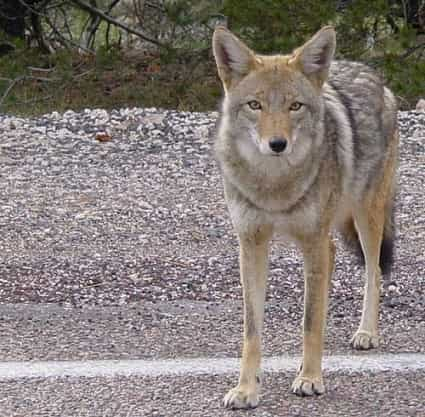
Coyote
Usually heard more than seen, with a crying, yipping call. When you do see one, it’s often alone, though they gather in groups in winter. They hunt small animals or eat carrion. Just like in the cartoon, they are very wily.
Coues Deer
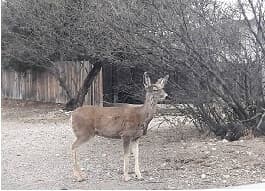
A small variety of white-tailed deer. They’re often seen around Tombstone at dusk.
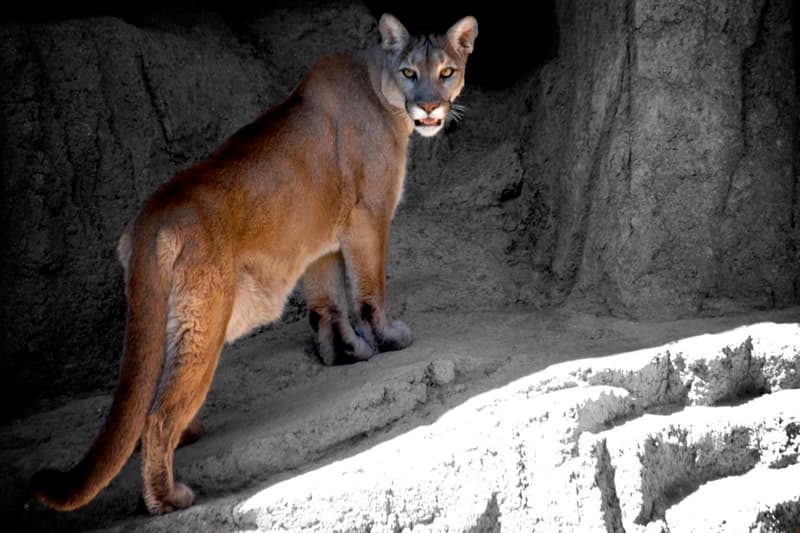
Mountain Lion
Also called a cougar or puma. They’re very adaptable, though they prefer mountainous country. If you ever see one, it would most likely be while hiking, and it would be an unusual encounter. They have occasionally been seen around Tombstone, so they do range into the desert and the surrounding Tombstone Hills.
Kit Fox
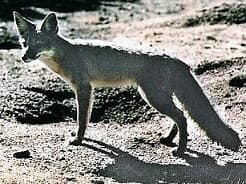
Usually out as darkness falls, but not easy to spot. I’ve seen them only rarely. They hunt small animals but will eat fruit if they have to.
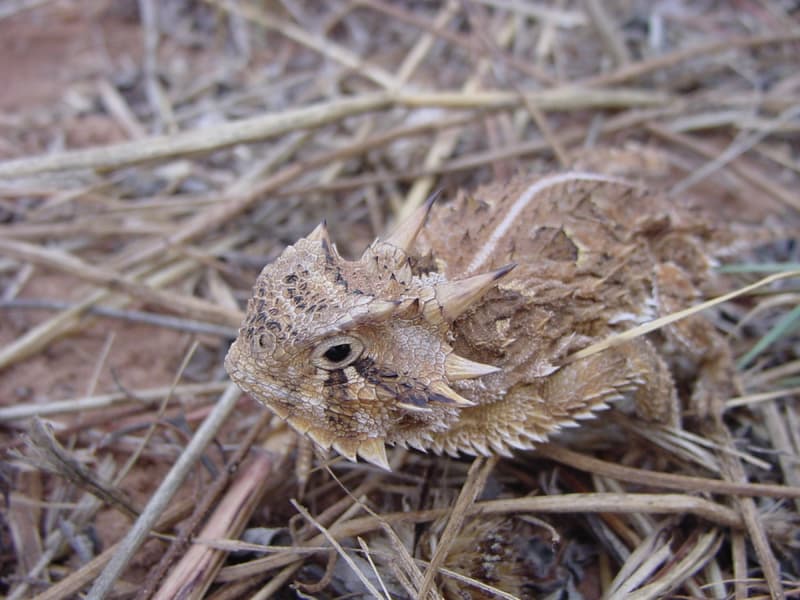
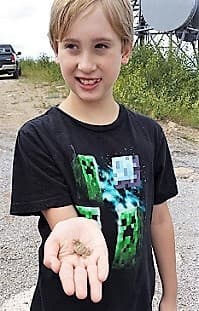
Horned Toad (Horned Lizard)
It’s really a lizard, also known as a horny toad or horned lizard. They look dangerous, but they’re sweet and harmless to people. Their main food is ants. Among their defenses:
- Their coloring gives them fabulous camouflage in the desert.
- They can squirt a foul, bloody secretion at an enemy.
Their numbers have fallen in many places as their habitat shrinks.5 That’s sad. I think they’re cute.
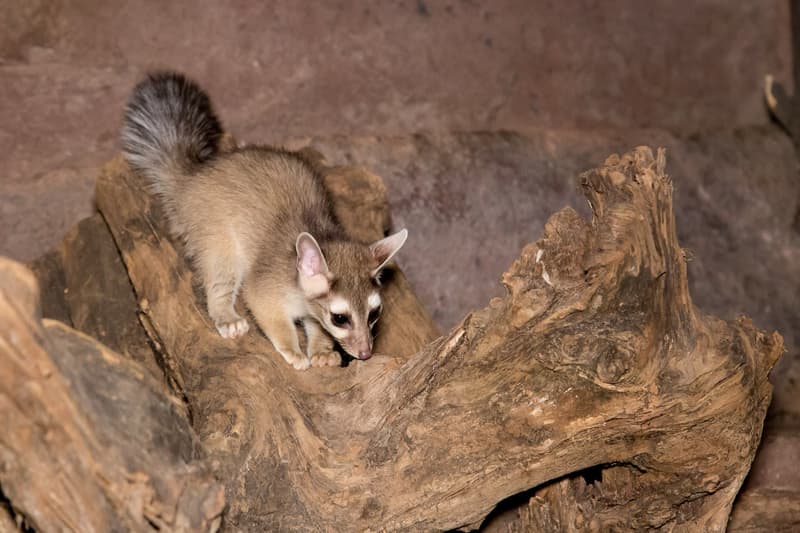
Ringtail
These are real night owls, and their excellent eyesight serves them well in the dark. They like rocky canyons and even mine shafts, so the Tombstone Hills suit them. A ringtail is about the size of a kitten, plus a long, fluffy tail with black and white rings. They’re related to raccoons, and they’re real tricksters.
Coatimundi
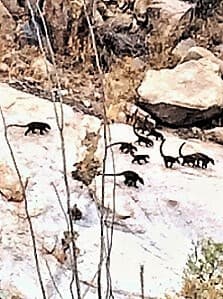
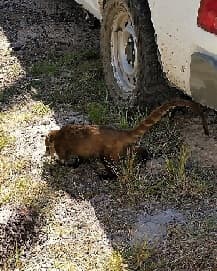
Cute, curious family groups of coatis roam the higher elevations of the desert. They’re also related to raccoons, but unlike their ringtail cousins, they’re active during the day. They’re bold creatures and will sneak up on a picnic basket if they think they can get food from it. The National Park Service has more about coatis, raccoons and ringtails.
Black-tailed Jackrabbit
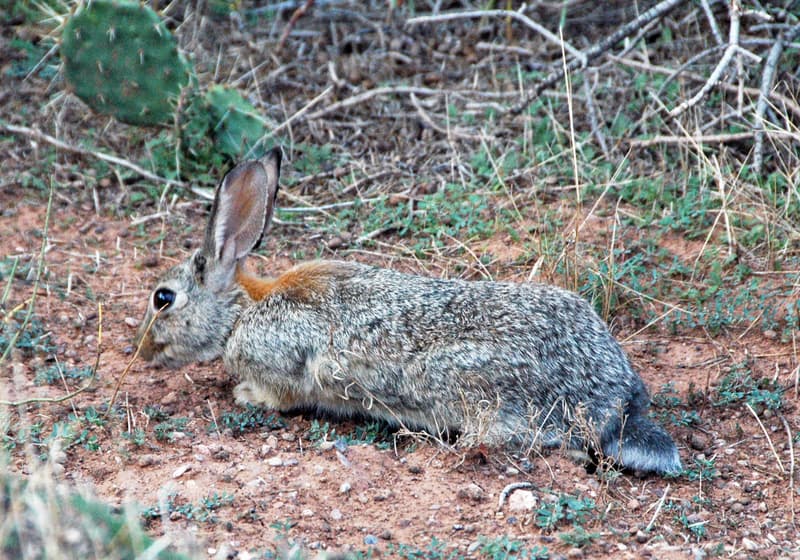
You’ll notice its huge ears, which help shed heat. Its eyes sit high on the sides of its flattish head, so it can see almost all the way behind itself. It isn’t a rabbit but a hare, which means the babies are born with their eyes open and with fur.
Western Diamondback Rattlesnake
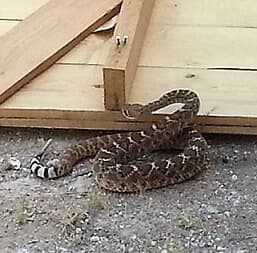
A pit viper, with heat-sensing pits behind its nostrils. Look for the triangular head and the black and white bands just in front of the rattle. If it rattles at you, heed the warning and back off.
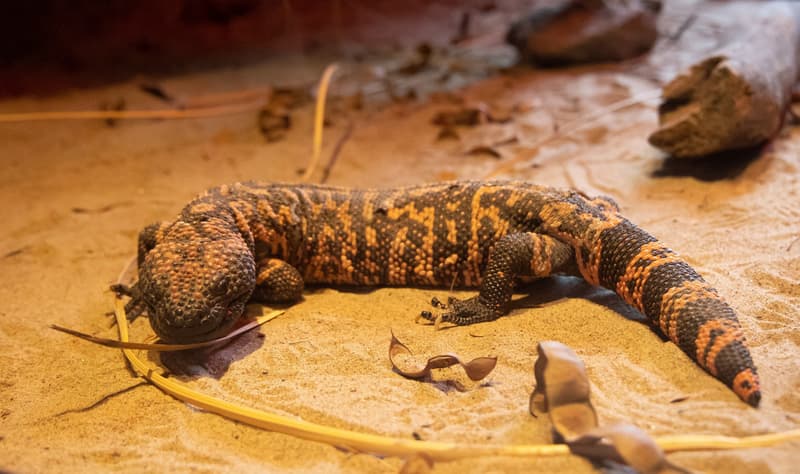
Gila Monster
A stocky, venomous lizard, black with pinkish-orange markings. When it bites, it chews to work the venom in. Bites to people are extremely rare and happen when someone really provokes the lizard. Arizona law protects Gila monsters, so it’s illegal to collect, kill or harm them. If you meet one, leave it alone and it will leave you alone. Seeing one from a safe distance is a rare treat.
Scorpions
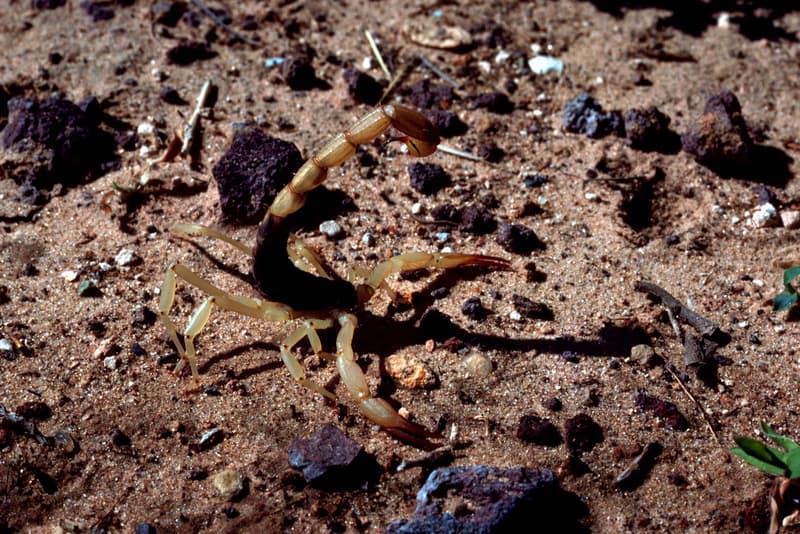
Scorpions are ancient, nocturnal creatures, and they glow under a black light. Two kinds are the ones you’re most likely to meet around Tombstone. Their stings typically aren’t deadly, but an allergic reaction changes the situation.
- The most harmful is the bark scorpion. It’s small and light-colored, it climbs, and it’s the one that gets into homes. It likes cool, moist places with good airflow. Its sting can be life-threatening for people with health problems.
- The stripe-tailed scorpion is the most common here. You’d find it when turning over a rock or moving a garbage can. It’s about 2 inches long. It looks vicious when threatened, but its sting is more like a bee sting.
Western Desert Tarantula
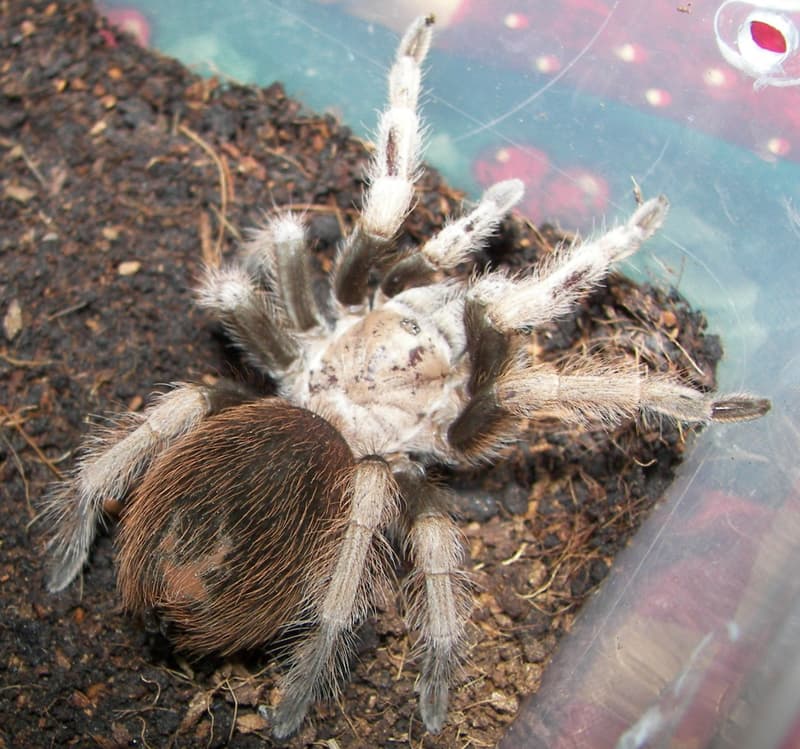
Also called the Arizona blond or Mexican blond tarantula. They live in burrows with an opening about the size of a quarter, lined or covered with silk. The male is black with tan markings, and the female is tan with blondish hairs. The hairs on the abdomen have irritating barbs. The bite is venomous but not deadly, more like a strong bee sting, unless you have an allergic reaction, so take care if you’re prone to that. You’d have to really annoy one to get bitten, so be nice.
Birds You’ll See in the Chihuahuan Desert
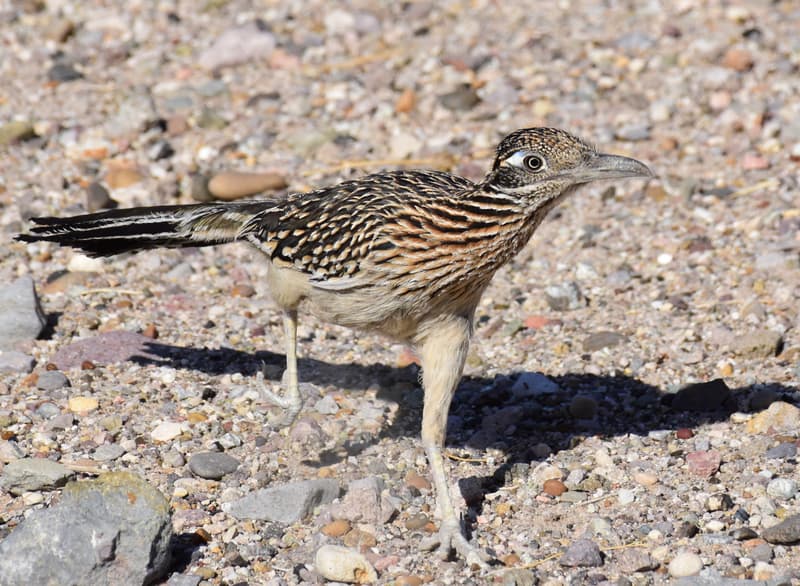
Roadrunner
This amusing bird has starred in a cartoon, and it’s entertaining to watch in real life. Roadrunners usually follow a regular route, and our yard has been lucky enough to be on one. They’re a kind of cuckoo. They run along the ground rather than fly much, and you may see one dash across the road in front of your car, which is how they got their name. They can even eat rattlesnakes.
Other Desert Birds
- Gambel’s quail walk along the ground in very cute family groups. Males have a colorful face with a black mask and a bright rusty cap. Both sexes have a black feather plume.
- Gila woodpeckers have an unmistakable personality. Look for the male’s red cap and the black and white barred back. You’ll really notice them when they nest in a hole dug into a tree or a large cactus, and they make loud calls.
- Sandhill cranes are large wetland birds that fly with their long necks stretched out. They gather in marshes, bogs and prairies. In the Chihuahuan Desert they spend the winter around Willcox and the Willcox Playa. Watch:

Chihuahuan Desert Plants
Certain plants are native to the Chihuahuan Desert, though many also cross over into other deserts. Here are a few of the most noticeable ones you may wonder about as you travel through the area.
Tumbleweed
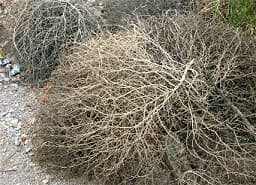
On a windy day you’ll see it fly by, and it may even get stuck under your car. You’ve probably noticed it in Western movies, and there are even films named after it. Several plant families produce tumbleweeds. When the annual plant dies, it breaks off and the wind blows it away, scattering its seeds. The one usually seen here is Russian thistle.
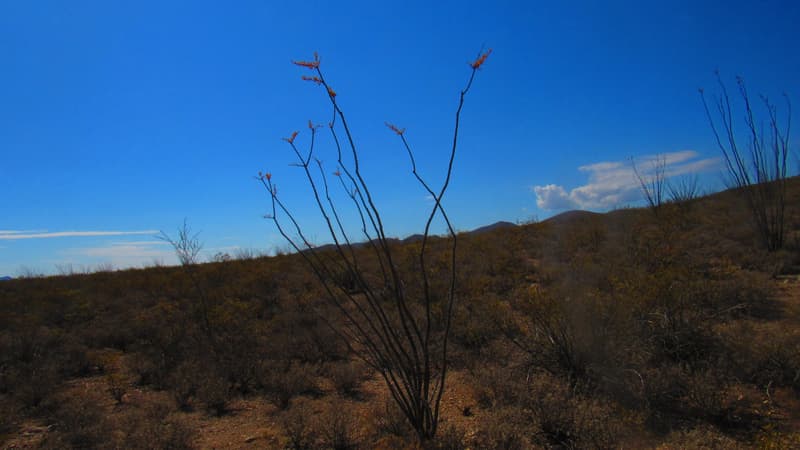
Ocotillo
Easy to identify by its tall, spiny, green-to-brown stems growing from a single base. After rain it sprouts leaves, and in dry spells the leaves drop to save water. Orange-red flowers bloom at the stem tips, roughly from March into June.
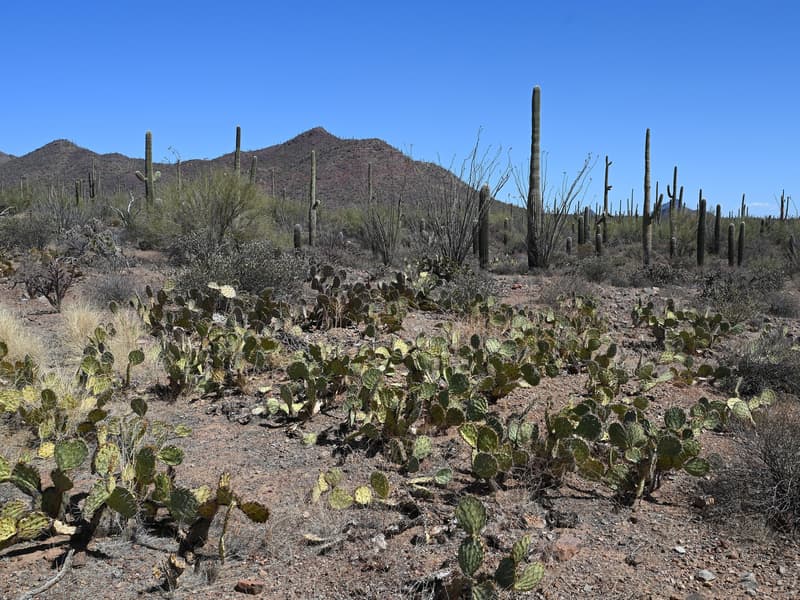
Prickly Pear Cactus
These Opuntia grow in many parts of the Chihuahuan Desert. The prickly pear is a hardy cactus that survives in a wide range of desert and sandy places around the world, and it’s easy to recognize. But be careful: most kinds have both thorns and tiny, painful spines.
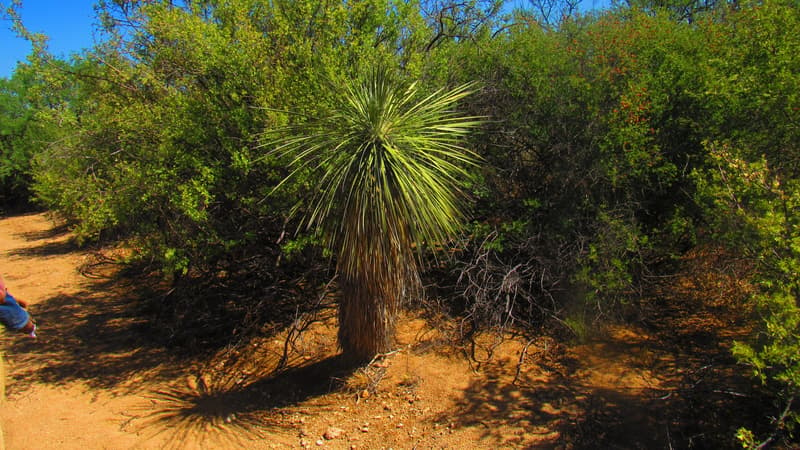
Yucca
You’ll see yuccas in the open desert and on slopes, often growing in groups. There are several kinds. The soaptree yucca takes on a tree-like form. The banana yucca, Yucca baccata, is a low clump of pointed leaves. Each kind sends up a tall flower stalk from the center.
Mesquite Tree
The mesquite has small green leaves, often thorny branches, and flowers in spring. It’s a pretty tree that spreads wide, can grow to about 30 feet, and gives welcome shade. Native Americans have long used its bean pods for food. It’s one of the most widespread trees in the desert.
Exploring the Mountains Around Tombstone
The Tombstone Hills
There are no mountains in Tombstone itself. The town is surrounded by the Tombstone Hills, where the miners of the 1880s sank their silver mine shafts.
Mountain Ranges Nearby
Several mountain ranges around the area offer hiking and other recreation:
- To the southwest are the Huachuca Mountains and Coronado National Memorial.
- To the west are the Whetstone Mountains, home to Kartchner Caverns State Park off Highway 90. Besides the cavern tours, the park has hiking trails, a Hummingbird Garden Walk and a campground. Remember that Wyatt Earp rode through these mountains on his Vendetta Ride.
- To the southeast, around Bisbee, are the Mule Mountains. You can climb toward Mount Ballard, the range’s high point. Take the Old Divide Road turnoff, a little over half a mile before the tunnel into Bisbee, or the Mule Pass Road out of Bisbee.
- To the east are the immense Chiricahua Mountains, with many options. Look into Chiricahua National Monument and Fort Bowie National Historic Site.
Dragoon Mountains
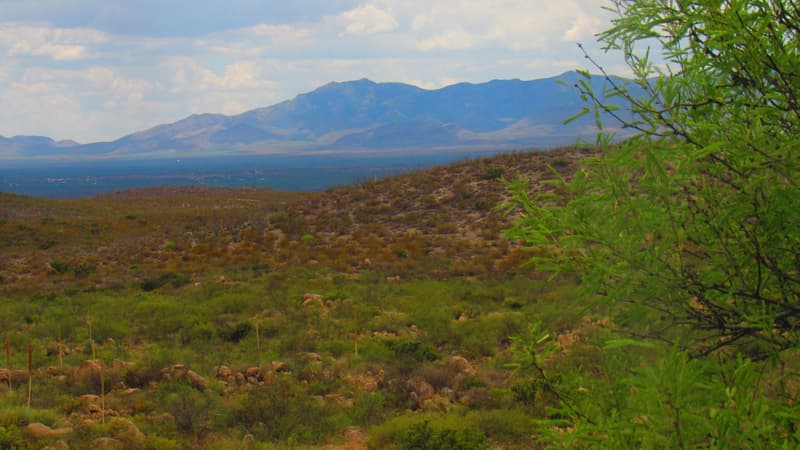
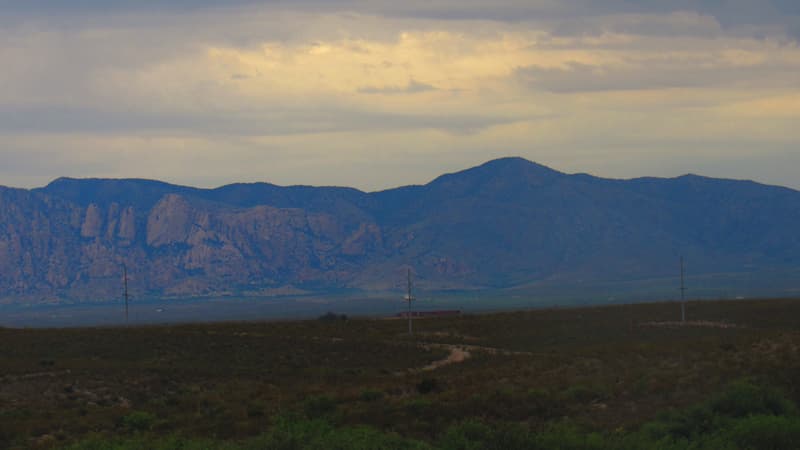
A very special place. The great Apache leader Cochise is buried here, but no one can tell you exactly where. Cochise Stronghold is a must-see, and there are many other places, a lot of them historic, to explore in the Dragoon Mountains.
References
1 Phillips, J. (2015). Growing the Southwest garden. Portland OR: Timber Press.
2 Brown, D. E., editor. 1994. Biotic communities: Southwestern United States and northwestern Mexico. University of Utah Press, Salt Lake City.
3 Tweit, S. J. 1995. Barren, wild and worthless: Living in the Chihuahuan Desert. University of New Mexico Press, Albuquerque.
4 Southwest Wildlife Conservation Center (2021) Javelina. Retrieved from southwestwildlife.org/resident-animals/javelina/javelina.html
5 Godfrey, E. (December 20, 2014). Center for Biological Diversity wants Texas horned lizard declared an endangered species in Oklahoma. The Daily Oklahoman.
No comments yet