
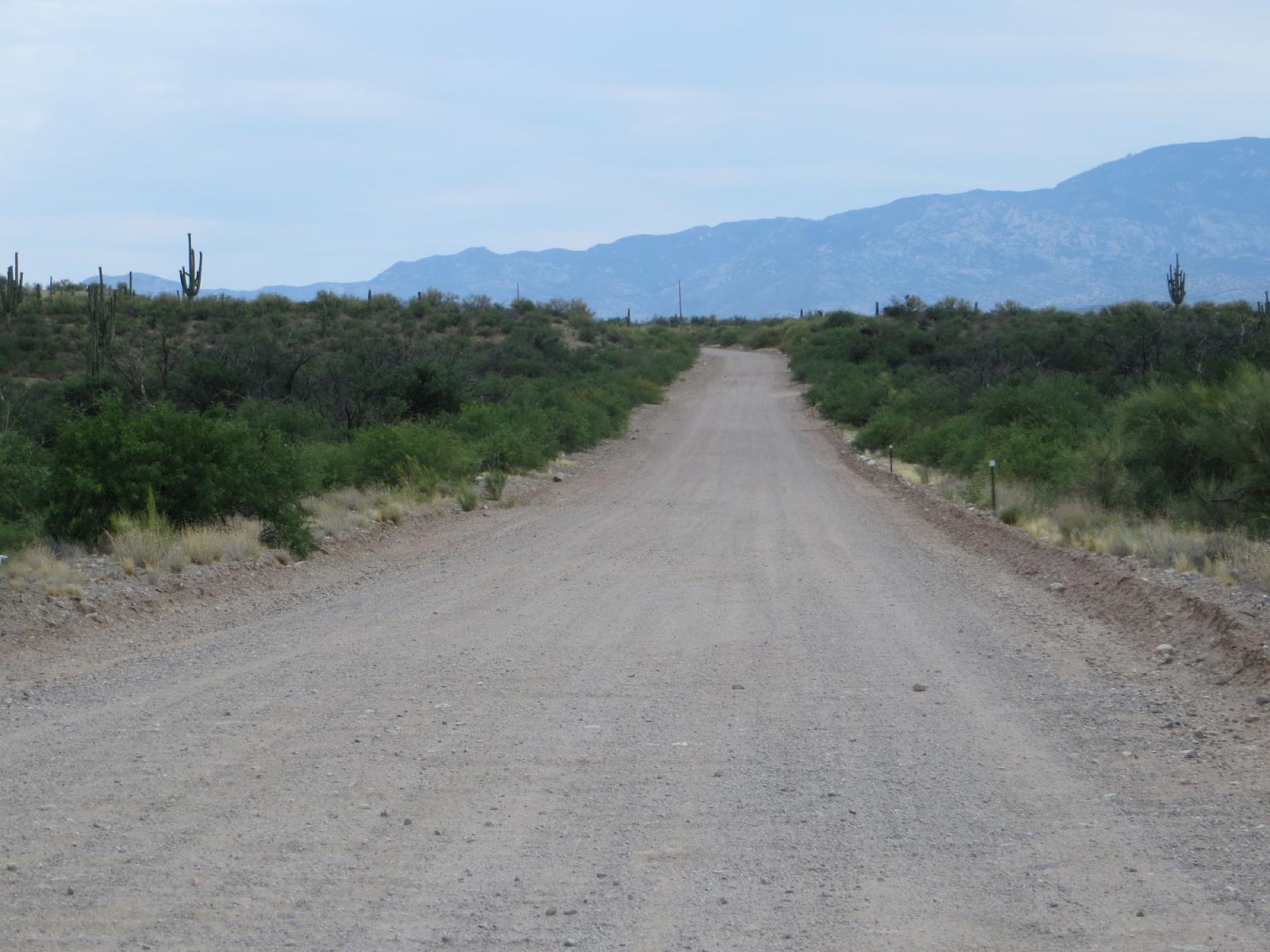
Some picture living in a ghost town as a surreal, even eerie, experience. Communities come close to being abandoned when there is little economic activity to hold them. One such place is Cascabel, Arizona, a ranching settlement on the lower San Pedro River that lost its post office in 1936 but never lost its people.
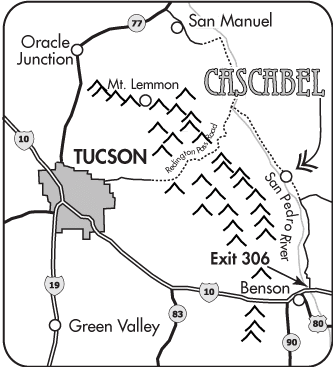
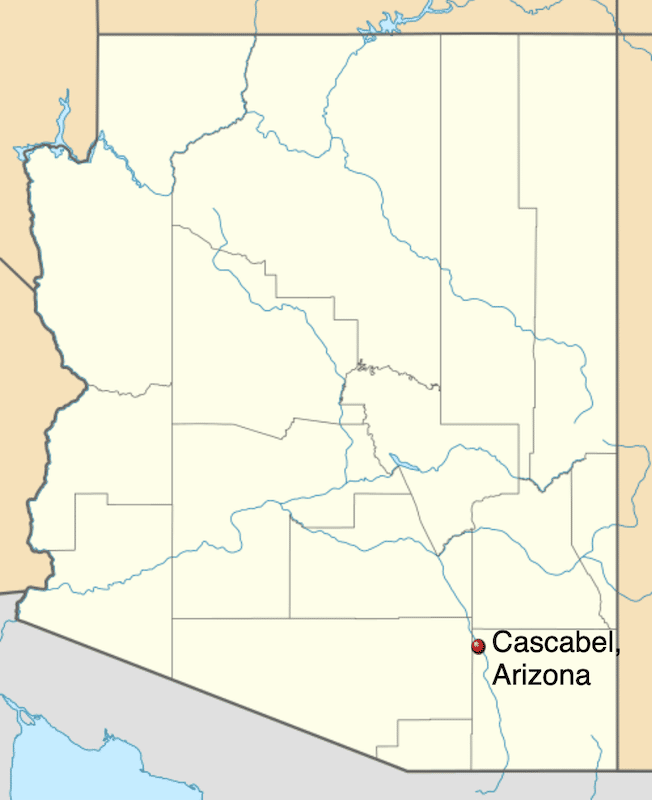
Where Is Cascabel?
Cascabel is in Cochise County, along the San Pedro River. It’s less a town than a stretch of river valley, starting about eight miles north of Benson, with one road in and out: Cascabel Road, which residents still call primitive. There isn’t much going on, and that is part of its appeal.
Most people live independently, but they do band together for bake sales and fundraisers. Fundraising is how neighbors built the Cascabel Community Center, finished in 1989 without loans.
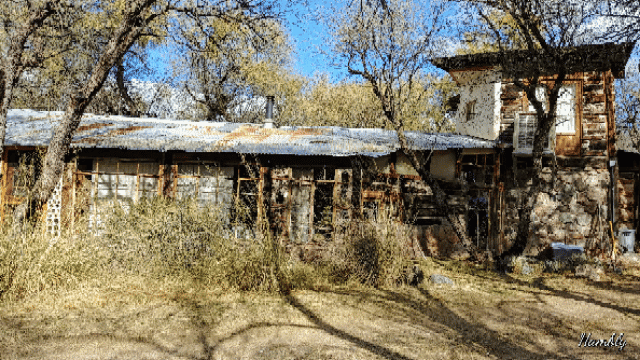
History of Cascabel
Cascabel has a rich history. Long before American settlers arrived, Sobaipuri O’odham people farmed along this part of the river. Mexican and Anglo farmers were working the valley by 1865, and more families settled along the river in the 1870s. Among the best-known early families in the area were the Redfields, the Sozas, the Baylesses, the Smalls and the Pools.
Named for a Rattlesnake
A post office named Pool opened in 1902 and closed in 1913. In 1916 Alex Herron, who had a small ranch and store, wanted to open a new post office, but he wasn’t allowed to use the name Pool. Around that time he met a Mexican man who had killed a rattlesnake. Told that the Spanish word for rattlesnake was “cascabel,” Herron thought it a fitting name, and it became the official name of the post office.
Hard Times and Changes
Over the following decades Cascabel struggled. Farming and ranching did poorly, and the post office closed again in 1936. Many of the young men who served in World War II didn’t come back, choosing college or work in the cities instead. Electricity arrived in the late 1950s and telephone service in 1993.
The San Pedro River itself has been protected. In 1990 parts of the lower San Pedro were named one of the “Last Great Places,” and the Bureau of Land Management bought riverside land nearby to protect it. The river remains a stronghold for wildlife.
The Cascabel Fair
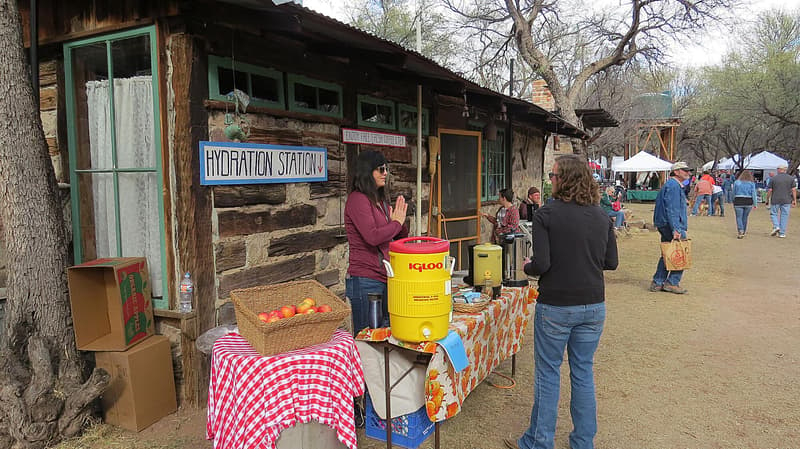
For 39 years the community came together for the Cascabel Fair, an arts and crafts fair held on the first full weekend of December. In 2020 the community announced that the fair had become too big an undertaking and would no longer be held. The community center’s website still has photos from past fairs.

Why Go to Cascabel?
It’s a secluded corner of Arizona, but if you find yourself in Cascabel, the residents have fascinating tales to tell. Some are bizarre, about love triangles, feuds and wild cows. Others are dark, about murders and accidents. Some people also talk about a mountain lion.
Even if Cascabel is mostly a ghost town today, it has a rich history shaped by the river and its people. There are other ghost towns in the state, but Cascabel brings something unique.
No comments yet