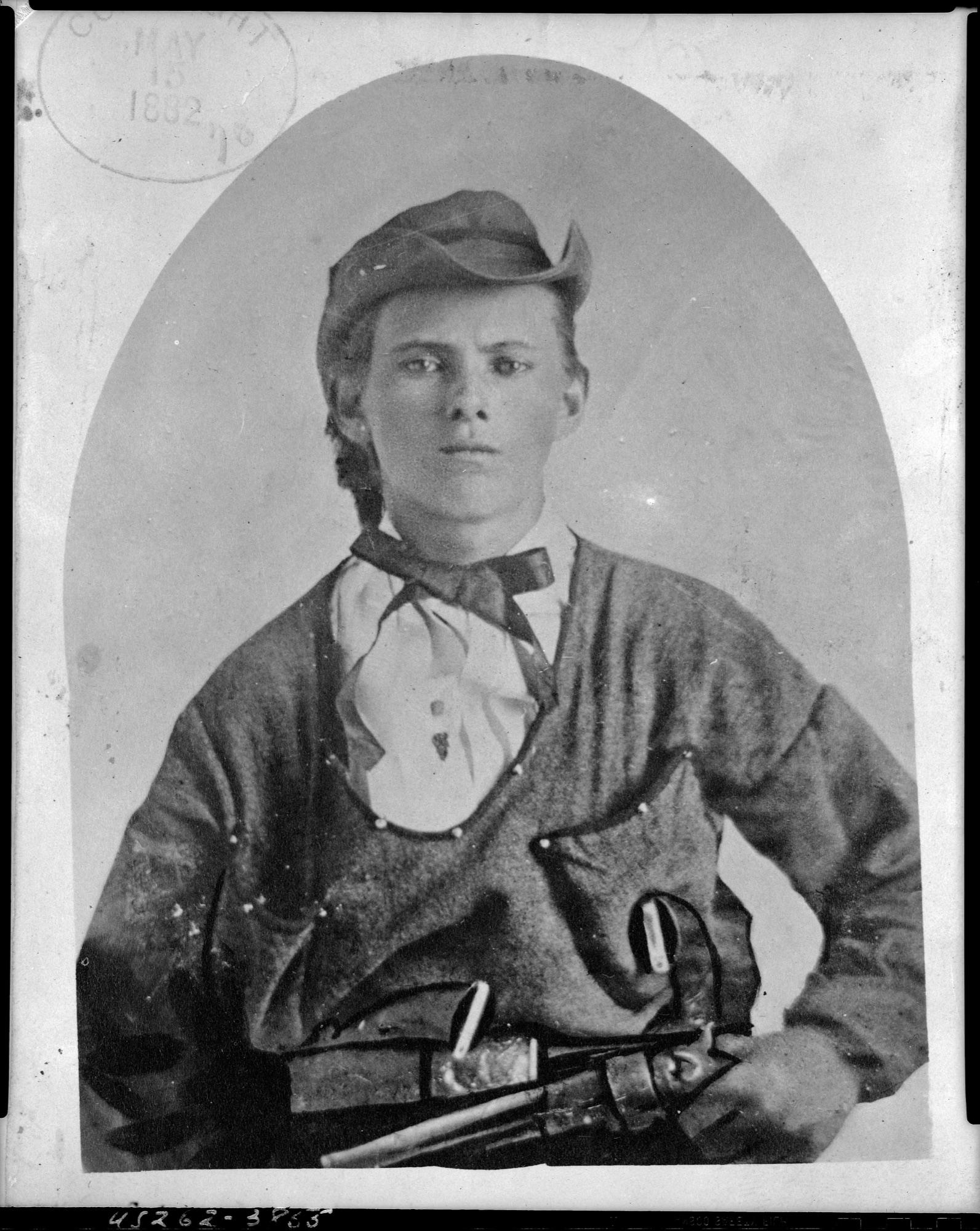
Movies with Jesse James were bound to become a Hollywood staple. He was a real-life character, born on September 5, 18471 near what is today Kearney, Missouri.2 He had a short and, you could say, wild life, and that is what drew filmmakers to his story. But the public’s fascination with him started long before the movies.
For more about his real life, see our Jesse James outlaw page: his youth and siblings, the Civil War years, how he became an outlaw, his wife and children and how he was shot.
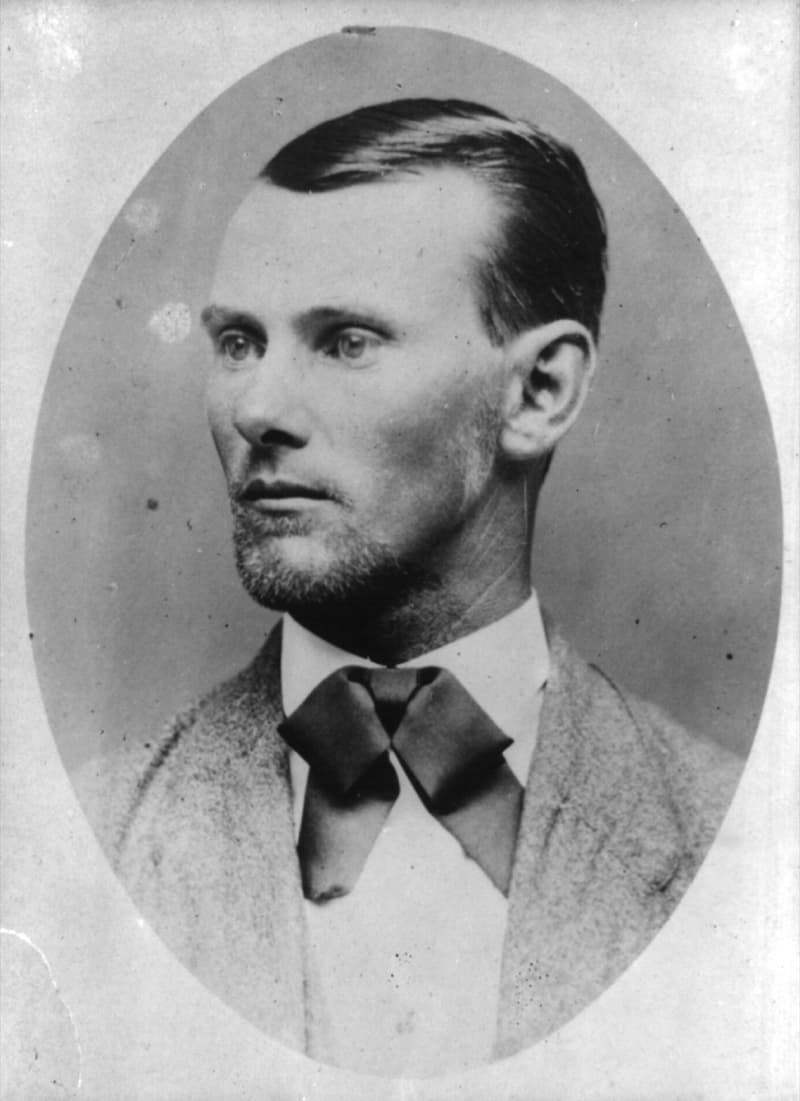
Who shot Jesse James?
In 1881 Missouri Governor Thomas Crittenden announced a reward for the capture of Jesse James and his brother Frank. Robert Ford wanted that reward, and he met with Crittenden about a plan to get it.4
The way that plan played out is what made the story infamous. Quite a few movies with Jesse James cover it. Accurately? That’s debatable. For the details, see how Jesse James really died.
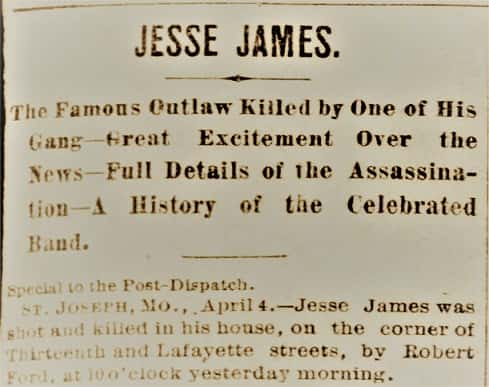
Famous almost overnight
The killing was illustrated in books and papers almost at once, long before Hollywood existed.
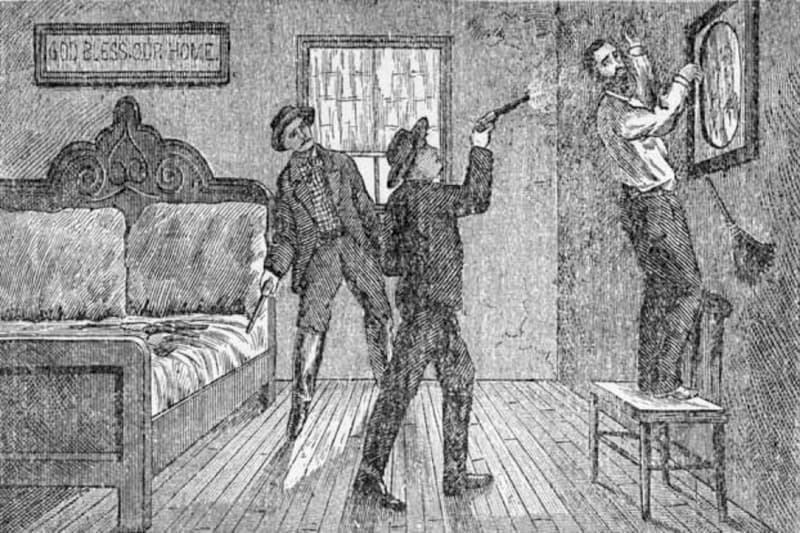
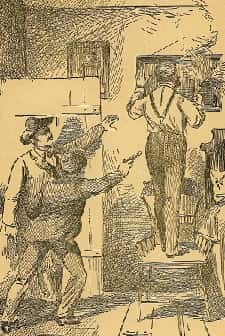
Why Jesse James lived on
It wasn’t only movies with Jesse James that kept his legacy in the public eye. His mother, Zerelda, promoted her son’s memory. It was surely out of love, but there may have been some financial benefit, too. See also where Jesse James is buried.
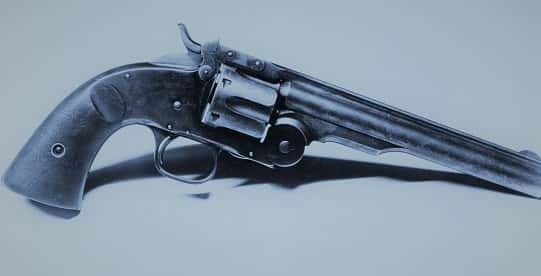
The Ford brothers
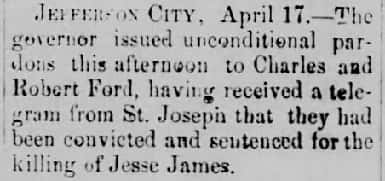
After the shooting, the Fords wired the governor to claim their reward. Instead, the brothers were charged with first-degree murder. It happened fast: in a single day they were indicted, pleaded guilty and were sentenced to hang. Then the governor gave them a full pardon. To many people, that outcome looked suspicious.1,2,3
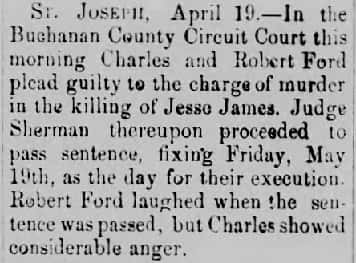
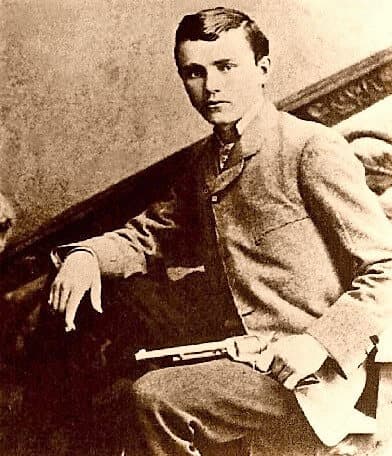
The Fords soon cashed in on their notoriety. Bob posed for photographs as “the man who killed Jesse James,” and the brothers reenacted the killing in a touring stage show. But tragedy followed. Charley Ford, who had tuberculosis and was addicted to morphine, took his own life in May 1884.5
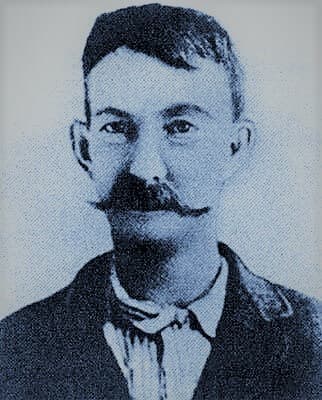
Bob later moved to Colorado and opened a saloon in the silver camp of Creede. On June 8, 1892, Edward O’Kelley walked into the saloon and killed Bob with a shotgun.5
O’Kelley was sentenced to life in prison, a term later reduced. After a petition with 7,000 signatures asked for his release, he walked free in October 1902.5
Sightings of Jesse James
Almost right after Ford killed Jesse James, people insisted they had seen him. Rumors said Bob Ford had helped Jesse fake his death to escape the law, and that Ford had really murdered someone else.
The evidence always said otherwise, starting with the identification of the body at the time. In 1995 his remains were exhumed for DNA testing, which confirmed that the man buried as Jesse James was the outlaw.6
That didn’t stop a man named J. Frank Dalton. He first claimed to be the lawman Frank Dalton, a deputy U.S. marshal, until historians showed he could not be. Then, in 1948, at a supposed age of 100, he announced in Lawton, Oklahoma, that he was Jesse James. He pointed to scars and a damaged finger as proof. He found backers, including the owner and the manager of Meramec Caverns in Missouri.7
Dalton died in Granbury, Texas, in 1951, supposedly aged 103. His death was recorded under the name Jesse Woodson James, and that name is on his gravestone in Granbury Cemetery.
Jesse James in dime novels
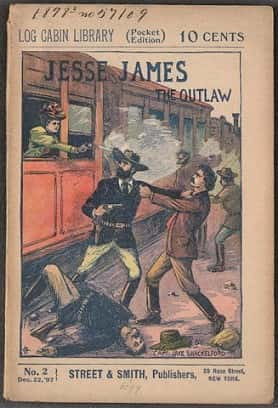
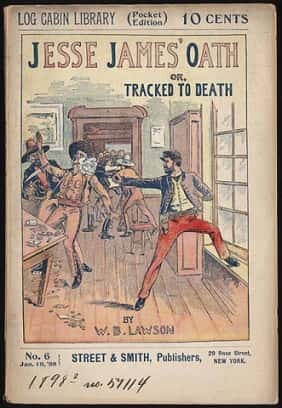
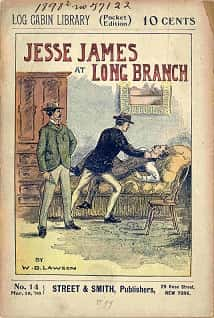
Before movies with Jesse James came on the scene, there were dime novels. These cheap paperbacks were early mass entertainment, full of Wild West stories, and were most popular between 1860 and 1915, before moving pictures took over.8 Many really did cost 10 cents, and Jesse James was a favorite subject.
Movies with Jesse James: a Hollywood heritage
Jesse James is a name that lives on: an outlaw to some, a daring hero to others, and a romantic Robin Hood figure to still others. Many plays have told his story, many of them not very accurately.
There has been a slew of movies with Jesse James as well. Hollywood really took to his story, and producers made all kinds of films featuring him, starting in the silent era. Here are some of them.
The silent era and the 1930s
- Jesse James as the Outlaw (1921). A black-and-white silent film based on his life. Jesse James Jr., the outlaw’s son, played his own father.
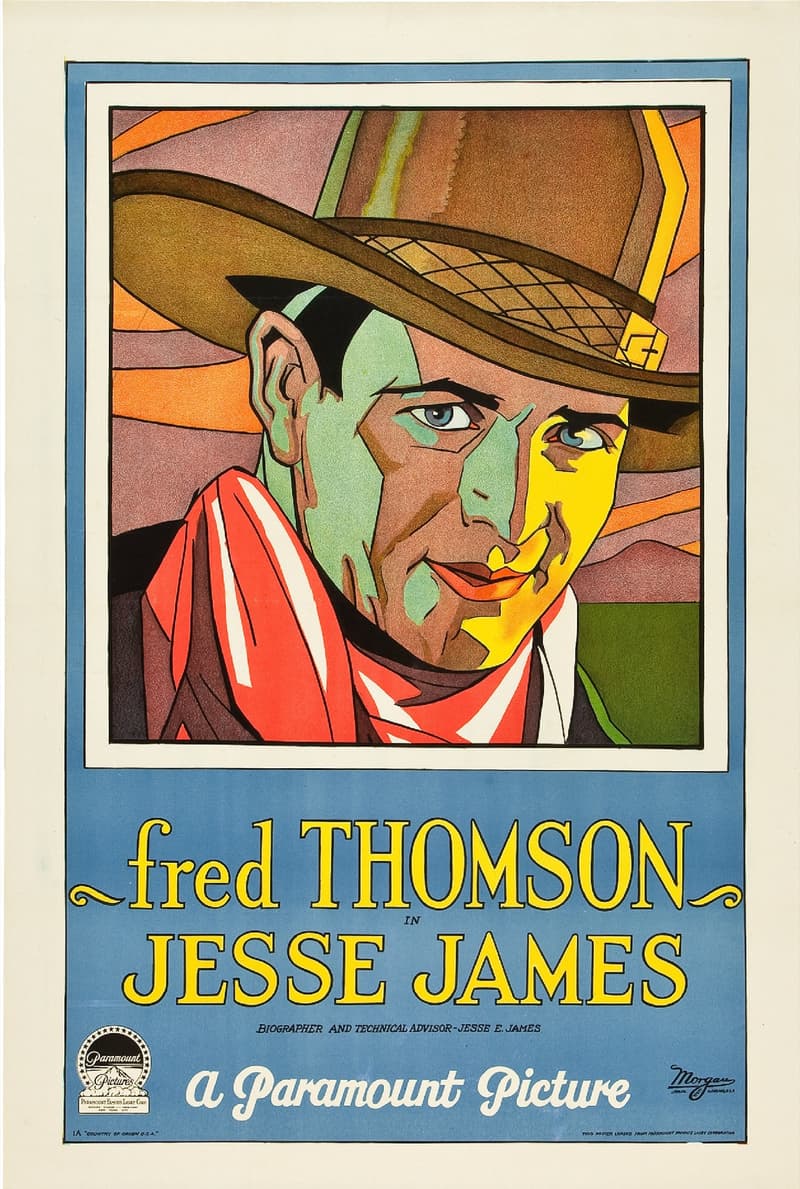
- Jesse James (1927). Fred Thomson is Jesse and James Pierce is Frank. It involves Jesse in a love story while romanticizing some facts of his life.
- Days of Jesse James (1939). Don “Red” Barry plays Jesse and Harry Worth plays Frank. Bank officials stage a robbery to frame the James gang, and singing cowboy Roy Rogers, with Gabby Hayes, investigates to clear the James name.
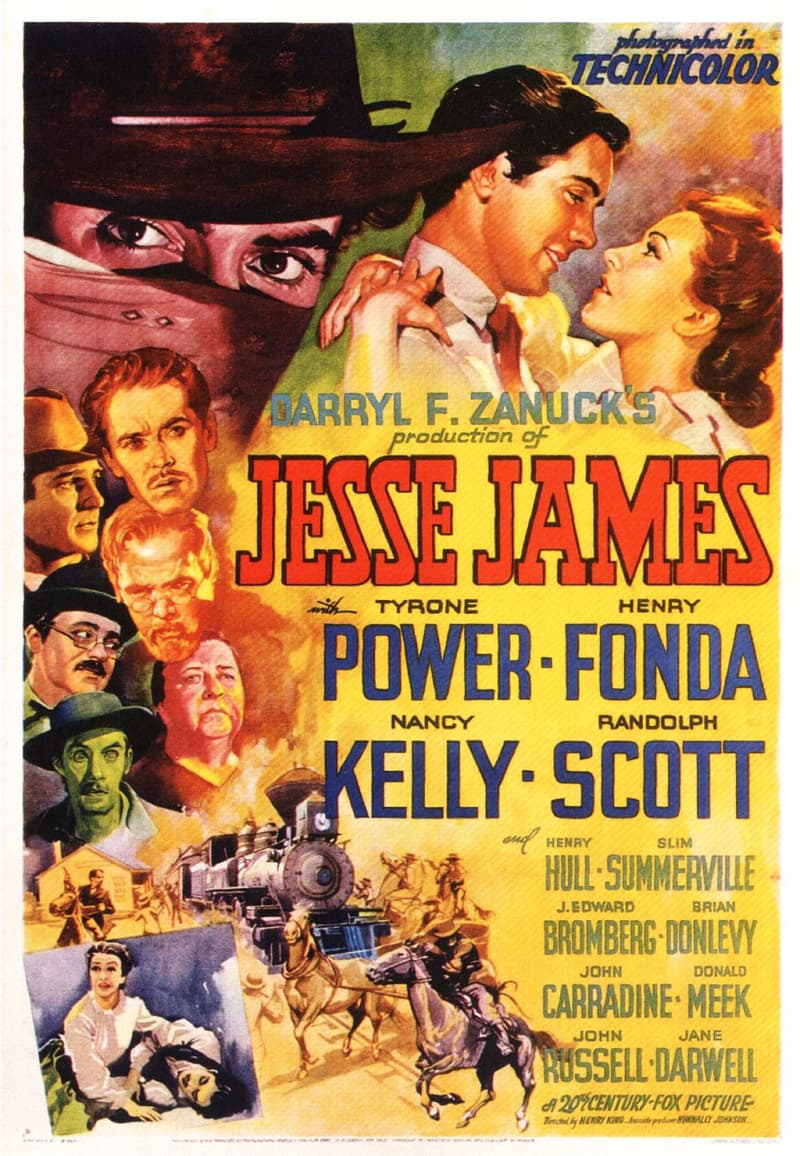
- Jesse James (1939). In Technicolor, with Tyrone Power as Jesse and Henry Fonda as Frank. It takes wide liberties with their story. The focus is on the railroads rather than the banks, and it shows them robbing passengers. Quite a few good scenes and lines.
The 1940s
- Bad Men of Missouri (1941). A black-and-white film centering on the Younger brothers after the Civil War, who join up with Jesse James’s gang. Alan Baxter plays Jesse.
- Jesse James at Bay (1941). Black and white, with Jesse as a Robin Hood character who robs trains to help Missouri settlers buy back land from railroad robber barons. Roy Rogers plays Jesse and Gabby Hayes plays the sheriff.
- Badman’s Territory (1946). In black and white, the James gang is on the run in a lawless territory. A sheriff rides in to help his brother and finds a vote coming up on joining Oklahoma Territory. Randolph Scott plays the sheriff, Lawrence Tierney is Jesse, Tom Tyler is Frank and Gabby Hayes plays Coyote.
- Jesse James Rides Again (1947). A black-and-white serial. On the run, the James brothers help ranchers whose land has oil and who are being forced off it by an outlaw gang. Clayton Moore, of Lone Ranger fame, plays Jesse.
- Adventures of Frank and Jesse James (1948). Another black-and-white serial. As fugitives, Jesse and Frank help a gold mine owner raise money to repay their victims. When the mine owner is murdered, they go after the outlaws. Clayton Moore is Jesse and Steve Darrell is Frank.
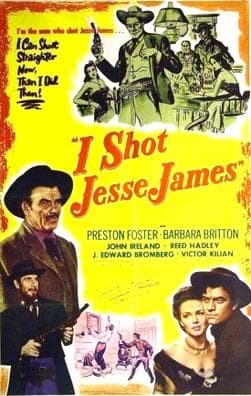
- I Shot Jesse James (1949). A black-and-white film from a different angle: Bob Ford’s story of killing Jesse, and why. John Ireland plays Bob Ford and Reed Hadley is Jesse.
- The James Brothers of Missouri (1949). Another black-and-white serial. Jesse and Frank help a former gang member stand up to a business rival’s bullying, and when their friend is murdered, they help his daughter.
The 1950s
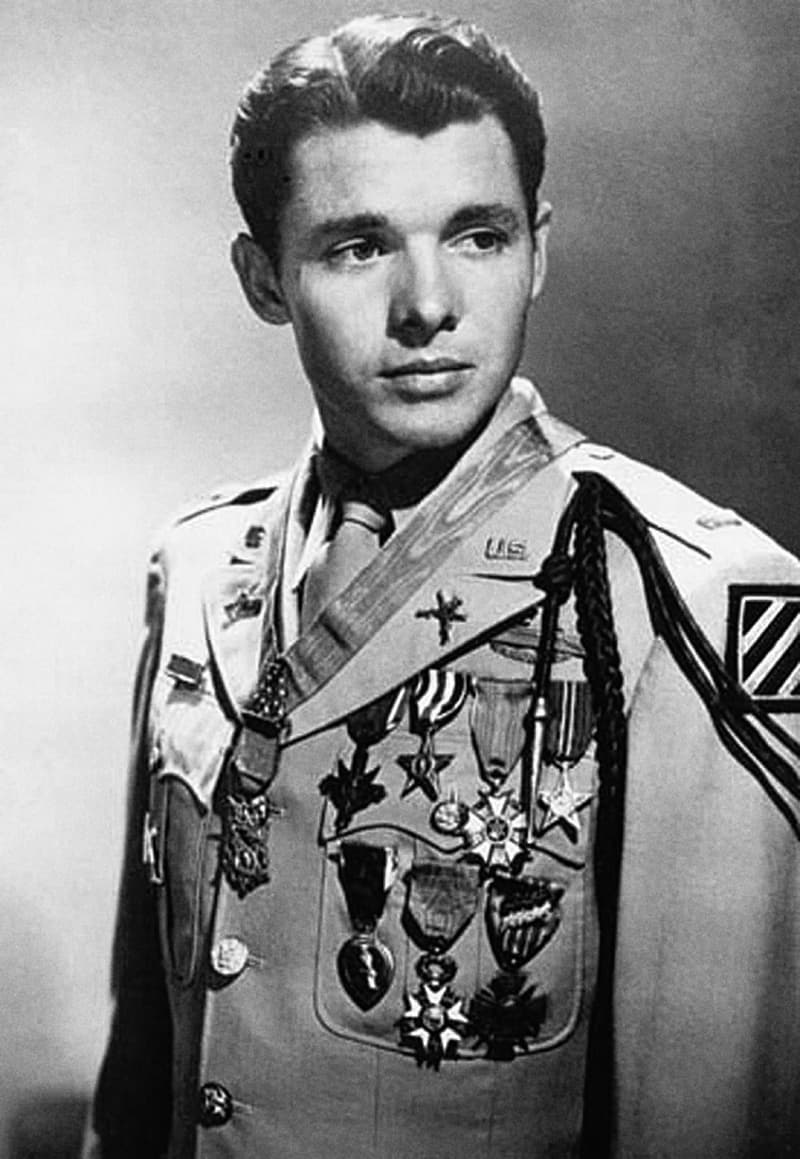
- Kansas Raiders (1950). Audie Murphy plays Jesse in this color film about his time with Quantrill’s Raiders.
- The Return of Jesse James (1950). Black and white. Jesse is dead, but a look-alike (John Ireland) is mistaken for him and decides to pull off a bank robbery. Brother Frank isn’t pleased. Reed Hadley plays Frank.
- The Great Missouri Raid (1951). In color, with Macdonald Carey as Jesse and Wendell Corey as Frank. The James brothers team up with the Youngers after the Civil War to survive hard times and take revenge.
- Best of the Badmen (1951). A color fiction film. After the Civil War, Union Major Jeff Clanton persuades Quantrill’s Raiders, including Jesse and Frank James and the Youngers, to surrender. It backfires when Clanton is charged with murder, and he joins the former raiders.
- The Great Jesse James Raid (1953). In color. Jesse returns to outlaw life for a gold raid in Colorado. Willard Parker is Jesse.
- Jesse James vs. the Daltons (1954). In color, and not even close to history. A man who may be Jesse James’s son (Brett King) looks for the truth and plans to team up with the Dalton gang, while rescuing a woman (Barbara Lawrence) about to be lynched.
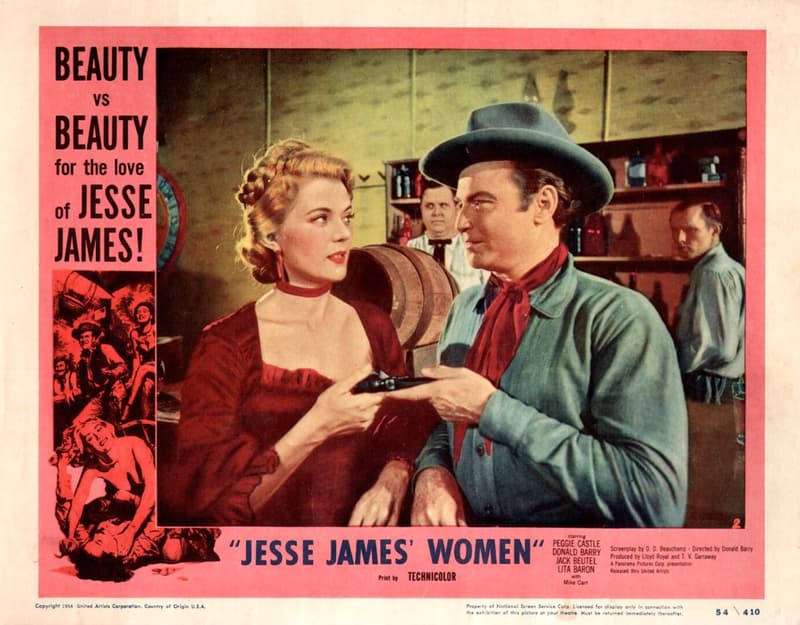
- Jesse James’ Women (1954). A fantasy, for sure, in color and filmed in Mississippi. Jesse uses his wily ways with women to get his outlawing done.
- The True Story of Jesse James (1957). In color, with Robert Wagner as Jesse, Jeffrey Hunter as Frank and Hope Lange as his wife, Zee. Is it a true-to-life biography? Not really; it takes lots of liberties with the facts.
- Hell’s Crossroads (1957). A black-and-white take centered on a convict who is offered his release if he finds and brings in Jesse James. Henry Brandon is Jesse.
- Bitter Heritage (1958). A black-and-white TV drama. Jesse James Jr. returns to his father’s hometown and, despite the difficulties, finds love (Elizabeth Montgomery). Franchot Tone is Frank James and James Drury is Jesse Jr.
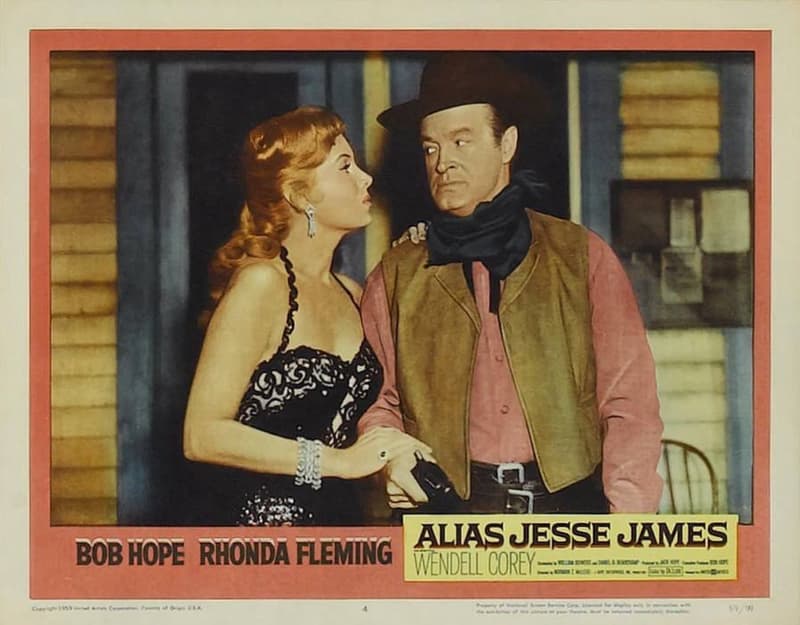
- Alias Jesse James (1959). A color comedy starring Bob Hope as a bungling insurance man who sells Jesse James a large life insurance policy. Wendell Corey is Jesse.
The 1960s and 1970s
- Young Jesse James (1960). It follows Jesse from the time Union troops string up his father. He joins Quantrill, meets Cole Younger and Belle Starr, and marries Zee, but the plot doesn’t stick to the historical facts.
- Jesse James Meets Frankenstein’s Daughter (1966). In color, and billed as horror and science fiction as well as a Western. Seriously. On the run, Jesse (John Lupton) comes upon a castle in Mexico that turns out to be the home of Dr. Frankenstein’s grandchildren.
- A Time for Dying (1969). In color. Jesse is a side story to the marriage of an innocent country lad, whom Judge Roy Bean marries to a saloon girl. On their honeymoon they run into Jesse James. Audie Murphy plays Jesse.
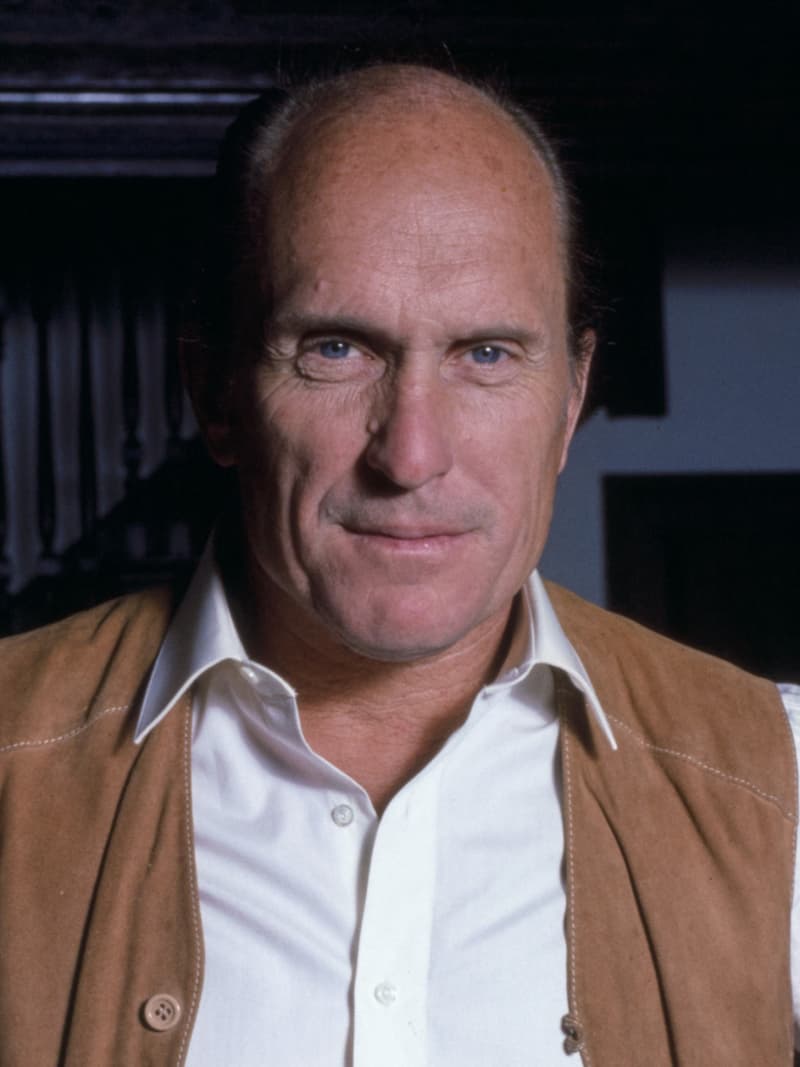
- The Great Northfield Minnesota Raid (1972). In color. The James and Younger gangs join up to rob the bank at Northfield, and everything goes wrong. It’s based on a true story. Robert Duvall is Jesse, John Pearce is Frank and Cliff Robertson is Cole Younger.
The 1980s and 1990s
- The Long Riders (1980). This color film begins after the Civil War, when Jesse and Frank join the Youngers to form a gang and rob banks in revenge for wartime wrongs. James Keach is Jesse and Stacy Keach is Frank. David Carradine is Cole Younger, Keith Carradine is Jim Younger and Robert Carradine is Bob Younger. Brothers playing brothers.
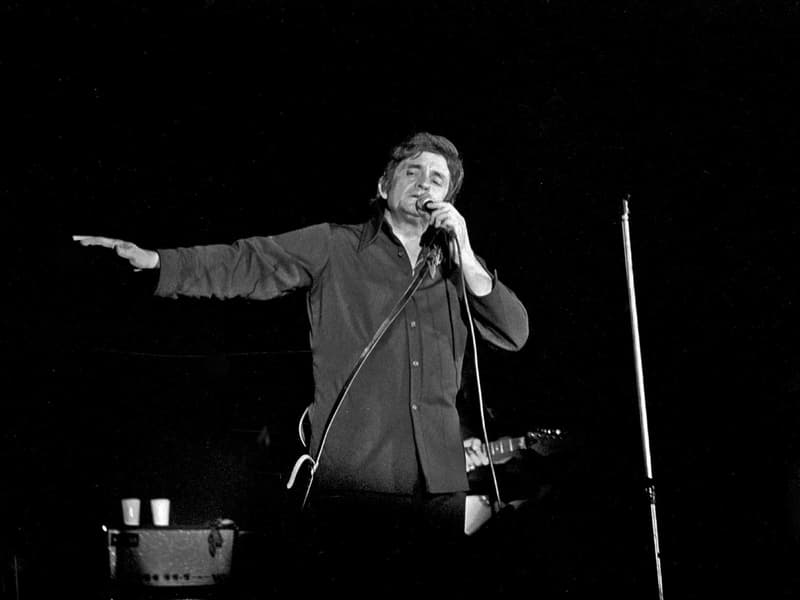
- The Last Days of Frank and Jesse James (1986). A color TV movie about the brothers’ quieter later years. It stars several country music icons: Kris Kristofferson as Jesse, Johnny Cash as Frank and June Carter Cash as their mother.
- Frank and Jesse (1995). A color film about the James brothers after the Civil War, starting their outlaw career with the Younger brothers. Their revenge on the railroad investors targets banks, trains and stagecoaches. Rob Lowe is Jesse, Bill Paxton is Frank and country singer Randy Travis is Cole Younger.
- Purgatory (1999). A color made-for-TV movie set in a town called Refuge, where Old West outlaws act saintly. In this fantasy they are all in purgatory, trying to earn their way into heaven, and Jesse James is among them. J.D. Souther is Jesse, Sam Shepard is Wild Bill Hickok, Randy Quaid is Doc Holliday and Donnie Wahlberg is Billy the Kid.
Jesse James on television
Besides the movies, Jesse James has been the subject of television programs. I remember watching a Brady Bunch episode with our kids when they were little. Bobby was caught up in the image and reputation of Jesse James, and his parents had to show him that Jesse was a bad guy.
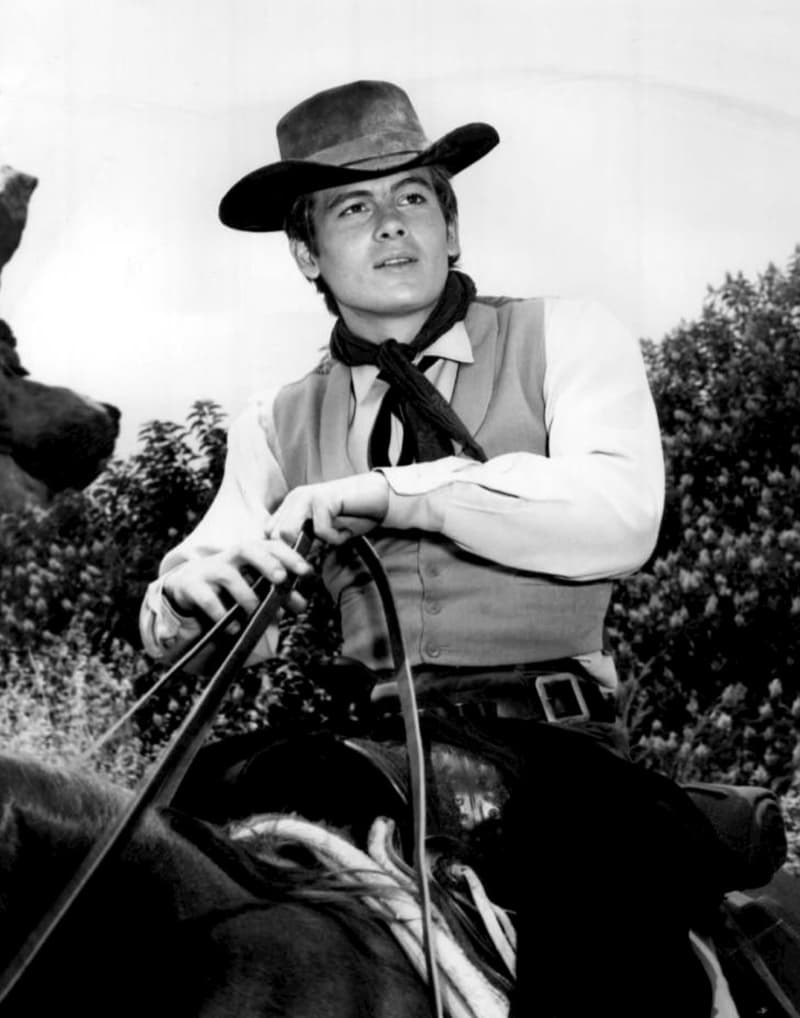
Even video games have included Jesse James, some with him as the lead character. He will keep living on in history, and especially in movies with Jesse James.
References
1 Settle Jr., W.A. (1977). Jesse James was his name. Lincoln, NB: University of Nebraska Press.
2 Yeatman, T.P. (2000). Frank and Jesse James: The story behind the legend. Nashville, TN: Cumberland House.
3 Stiles, T.J. (2002). Jesse James: The last rebel of the Civil War. New York: First Vintage Books.
4 King, S. (2007, Sept. 17). One more shot at the legend of Jesse James. Los Angeles Times. Retrieved from articles.latimes.com/2007/sep/17/entertainment/et-weekmovie17
5 Ries, J. (1994). Ed O’Kelley: The man who murdered Jesse James’s murderer. Patches Publications.
6 Stone, A. C., Starrs, J. E. & Stoneking, M. (2001). Mitochondrial DNA analysis of the presumptive remains of Jesse James. Journal of Forensic Sciences. 46,1, pp.173–6. PMID 11210907.
7 Dill, L.B. (1949). Is Jesse James still alive? Evidence supports story that Jesse James is alive. Herald-Journal of Spartanburg. South Carolina, p. 3.
8 Pope, A.M. (2011, June 6). American Dime Novels 1860-1915. Historical Association. Retrieved from history.org.uk/student/resource/ 4512/american-dime-novels-1860-1915
No comments yet