
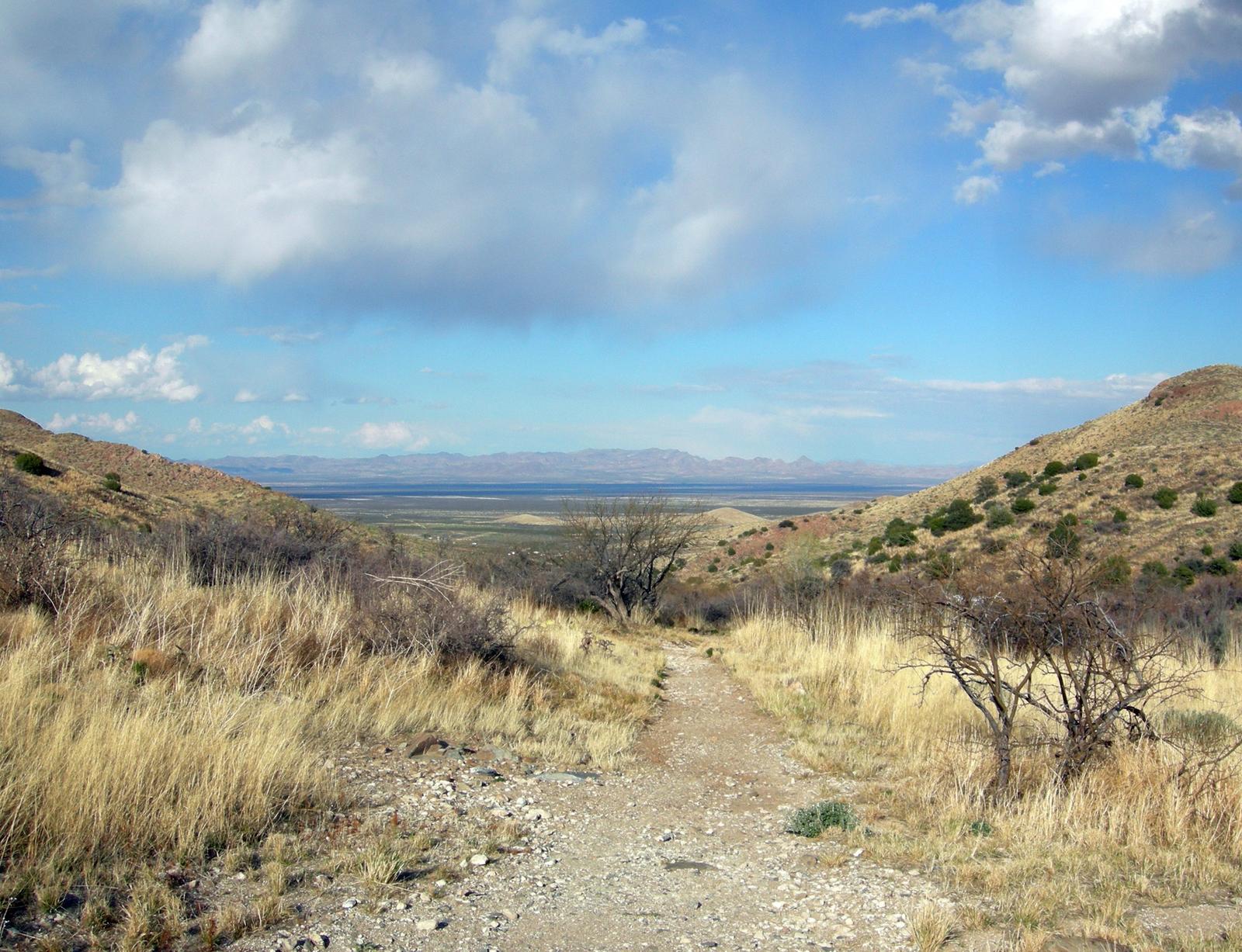
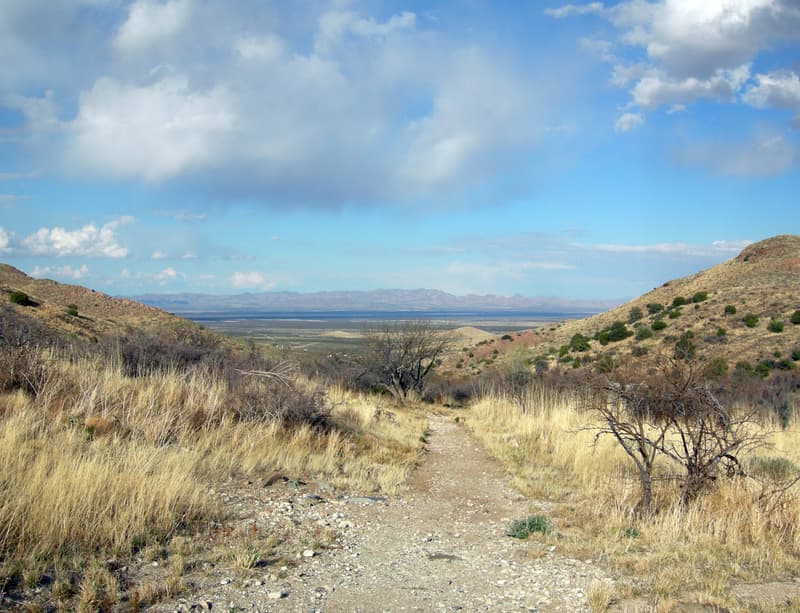
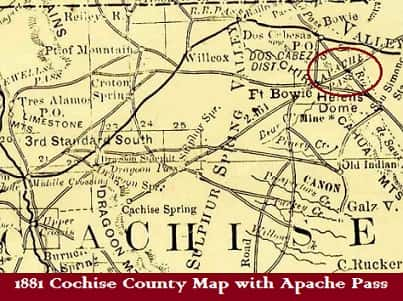
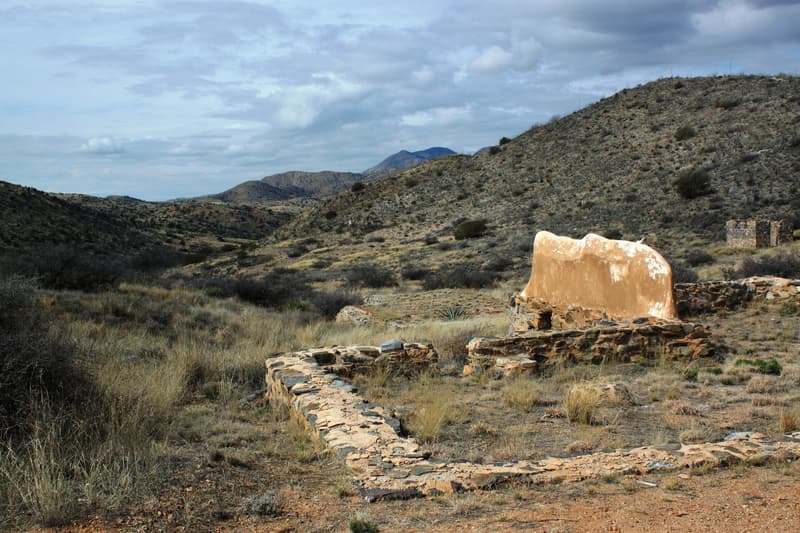
Apache Pass cuts between the Chiricahua and Dos Cabezas Mountains in southeastern Arizona, with a reliable spring at its heart. In the 1860s it was the scene of the Bascom Affair and the Battle of Apache Pass, which set off years of war between the Chiricahua Apaches and the United States.
We hiked it on a ranger-led tour to the ruins of Fort Bowie. It’s an easy day trip from Tombstone, and here’s the story behind it.
Apache Country
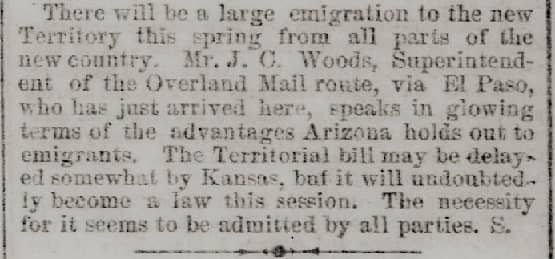
In the 1800s, Apache bands roamed southeastern Arizona, southern New Mexico and the lands around them. Their way of life didn’t involve permanent homesteads, but this was their home. Then settlers from the eastern United States began moving in.
The Apaches weren’t happy about it, and conflict was inevitable. People on both sides had aggressive, uncompromising attitudes.
The Bascom Affair
In January 1861, raiders struck a ranch in southern Arizona and kidnapped a 12-year-old boy, Felix Ward. Lt. George Bascom was sent to find him. Bascom suspected Cochise, the Chiricahua leader, and sent word for Cochise to meet him at Apache Pass to talk.
Cochise came to Bascom’s camp with members of his family. There he learned he was accused of taking the boy. He denied it, and he was innocent; the raiders were from another Apache group. He offered to find out who had done it and bring them in. Bascom agreed, but said he would hold Cochise hostage until the culprits were caught.
Cochise was furious. He slashed a hole in the tent and escaped, but his family and the men with him were held. Bascom now expected an Apache attack, and he saw signal fires on the hills around Apache Pass.
Will Talks Help?
Cochise came back with a few warriors to negotiate. Bascom, two sergeants and the boy’s father met him. More warriors gathered in a dry gulch nearby. Two employees of the Overland stage station walked toward the gulch, and a warrior grappled with one of them.
Gunfire broke out between the soldiers and the Apaches, and that ended the meeting. Cochise turned to attacking travelers as a pressure tactic. In one attack he took three Americans hostage and offered them in exchange for his family. Bascom refused, and the talks went nowhere.
Cochise killed his hostages and left their bodies to be found. In retaliation, the Army hanged six Apache men, among them Cochise’s brother and nephews; the women and children were released.
The Battle of Apache Pass
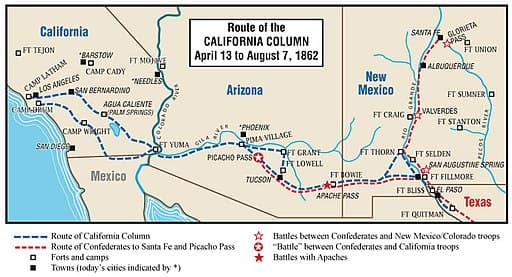
Later in 1861, Cochise allied with Mangas Coloradas, and skirmishes between Apache warriors and the military went on. In July 1862, the Union’s California Column marched through Apache Pass, and Capt. Thomas L. Roberts led his troops against the warriors of Cochise and Mangas Coloradas in the Battle of Apache Pass. Soon afterward, the Army built Fort Bowie to guard the pass and its spring.
A Reservation Given and Taken Back
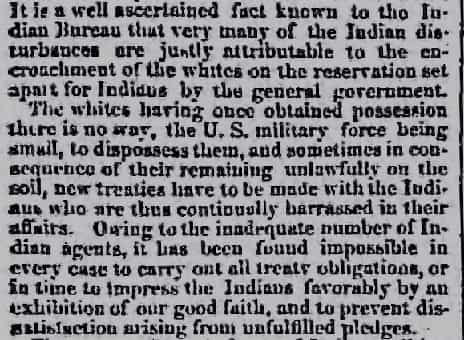
Around 1867 Cochise began signaling interest in a peace treaty. It took five years to accomplish. In December 1872, after Cochise agreed to peace, the Chiricahua Reservation was created in Chiricahua Apache territory, stretching from the Dragoon Mountains east past the Chiricahua Mountains. It took in Apache Pass.
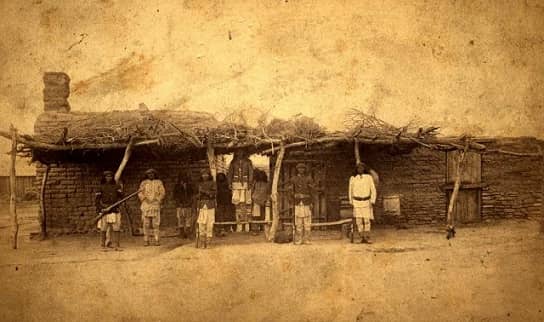
The pass was valuable land: a natural spring rises there from a fault, and there’s timber at the higher elevations. But in 1876 the United States dissolved the reservation and ordered the Chiricahua Apaches to the San Carlos Reservation. That didn’t suit many of them.
Cochise didn’t live to see it; he died in 1874. His people buried him in a secret place in the Dragoon Mountains, in what is now called Cochise Stronghold, part of Coronado National Forest. You can visit it today.
Hiking Apache Pass
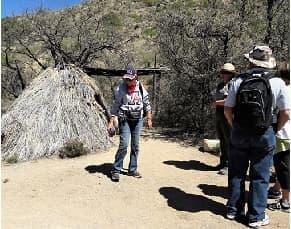
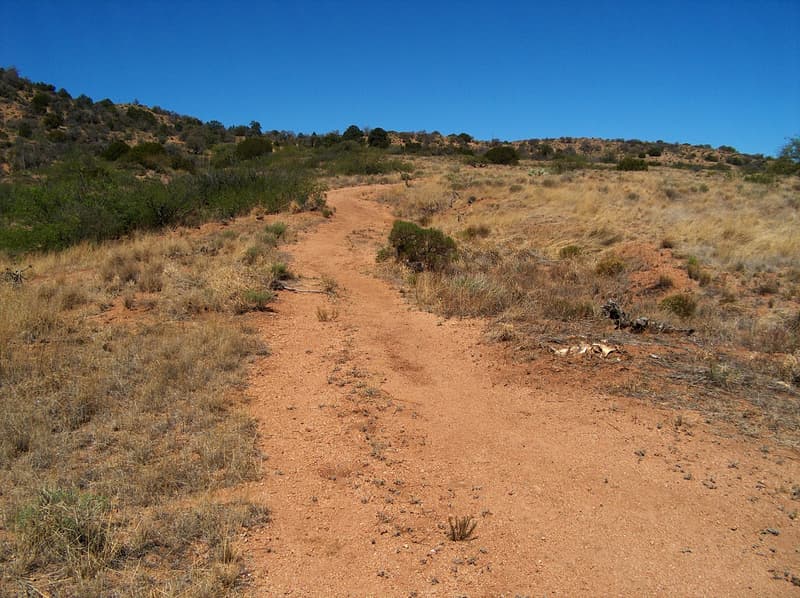
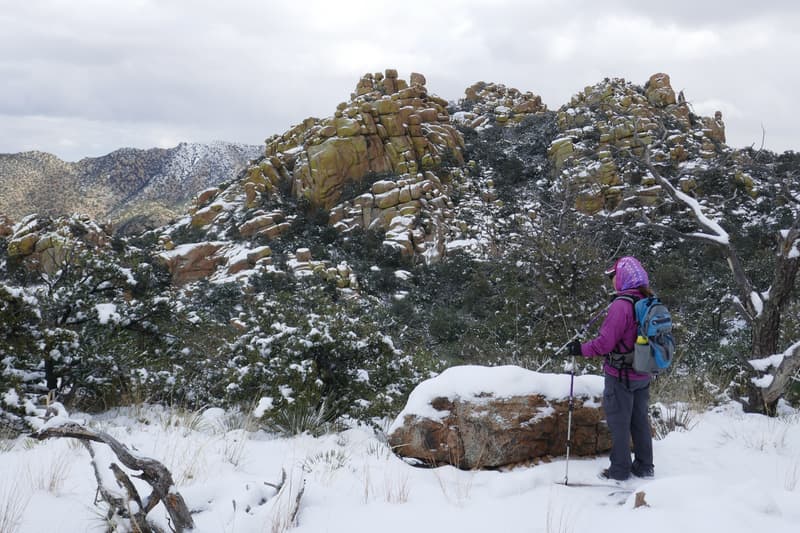
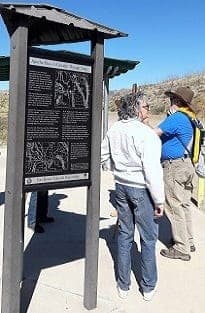
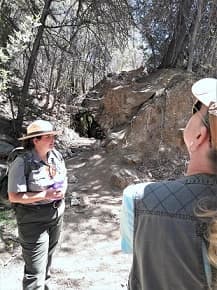
You can hike the trail through Apache Pass to Fort Bowie on your own, or ask about a ranger-guided hike. A group of us took the ranger-led tour, past the spring to the fort.
Some controversies remain about the whole Bascom Affair, but that’s a story for another day.
No comments yet