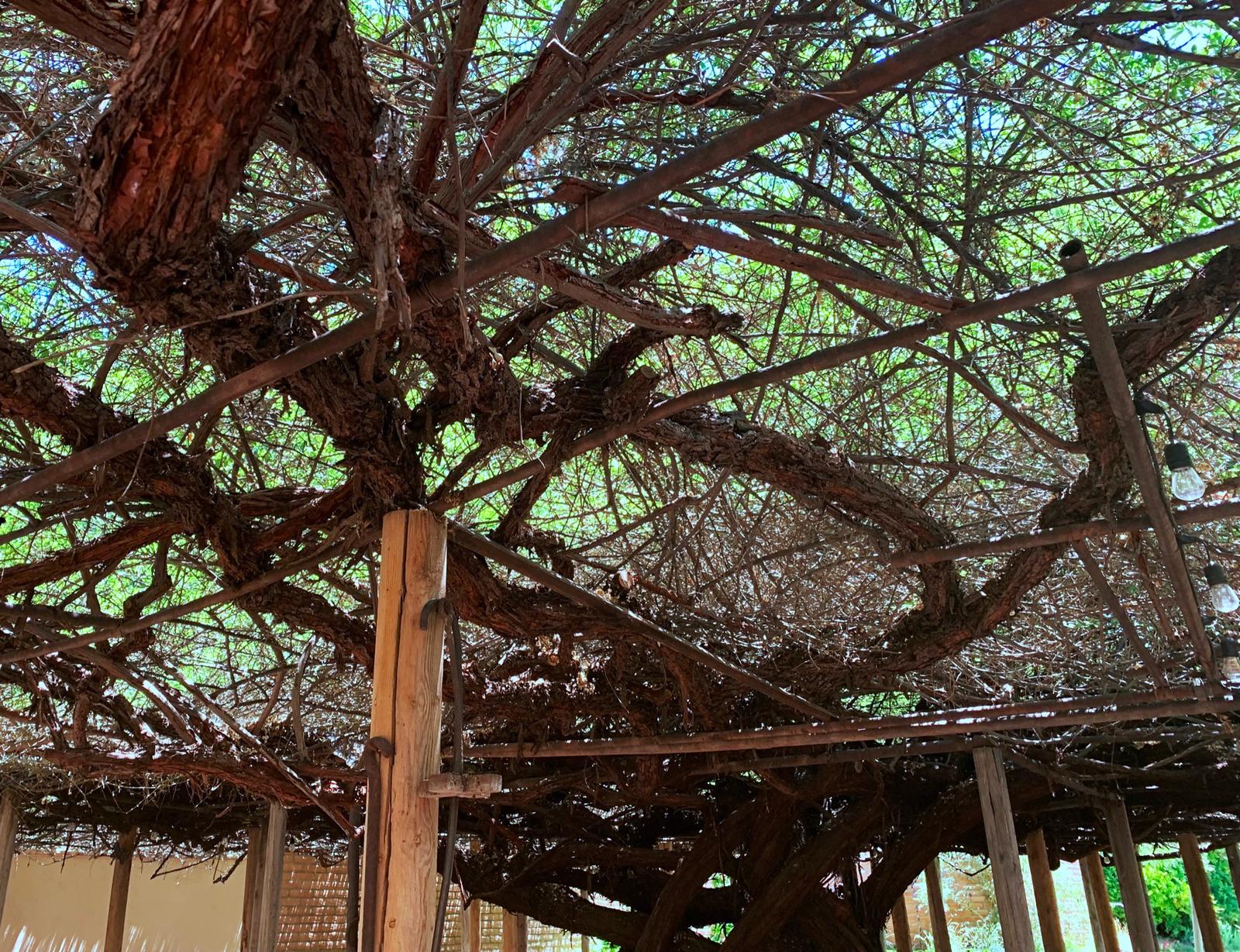
Tombstone’s Lady Banks rose is famous around the world. Guinness World Records lists it as the world’s largest rose bush, and it grows so big that it’s called the Rose Tree.
It still grows in the courtyard of the Rose Tree Museum at Toughnut and Fourth Streets. Here’s the story of how a cutting from Scotland ended up shading a whole patio in the Arizona desert.
What is a Lady Banks rose?
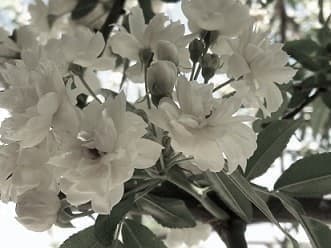
Its full name is the Lady Banksia or Lady Banks’ rose. Tombstone’s is the white Lady Banks, Rosa banksiae var. banksiae, a climbing rose with clusters of small double white flowers.
The rose comes from China. William Kerr, a plant hunter sent out by the botanist Sir Joseph Banks, acquired the first one in 1807, and it was named for Banks’s wife, Dorothea, Lady Banks.
It’s one of the earliest roses to bloom. In Tombstone it flowers in spring, which is why the town holds its Rose Festival in April. For this year’s dates, see our current Tombstone events guide.
The story of Tombstone’s Rose Tree
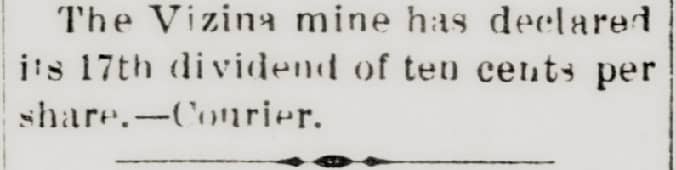
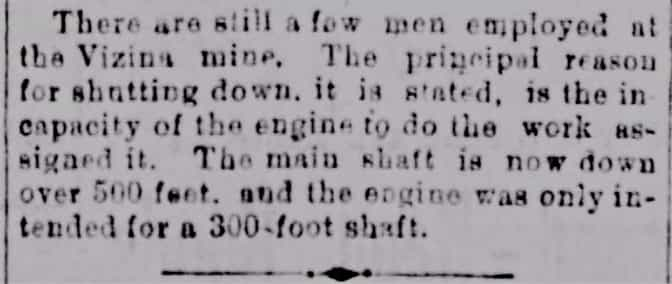
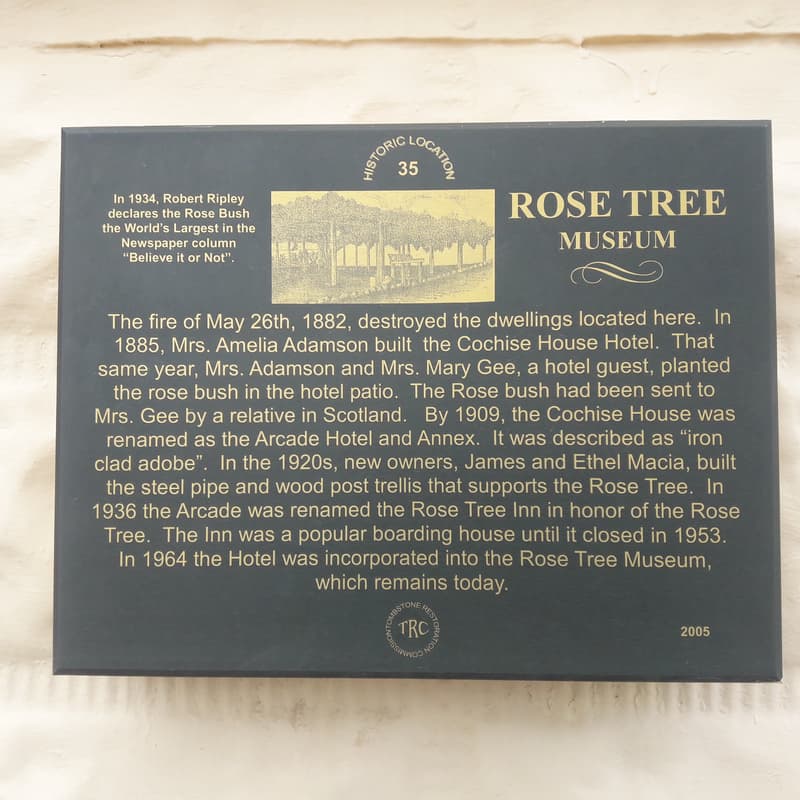
The fire of May 25, 1882, destroyed the dwellings that stood on the northeast corner of Toughnut and Fourth. By our research, Amelia Adamson had been caretaker and then owner of the Vizina mine’s boarding house there. The Vizina was one of Tombstone’s producing mines, though by 1884 its output was falling and it had its share of problems.
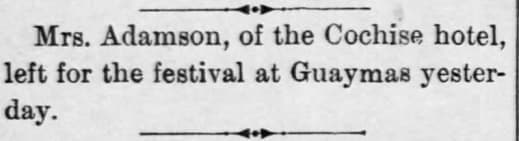
In 1885 Mrs. Adamson built the Cochise House hotel on the site. Henry and Mary Gee stayed there while their own home was being built. Mary received a box of Lady Banks rose cuttings from relatives in her native Scotland, and that same year she and Amelia Adamson planted one in the hotel patio. It loved its new home.
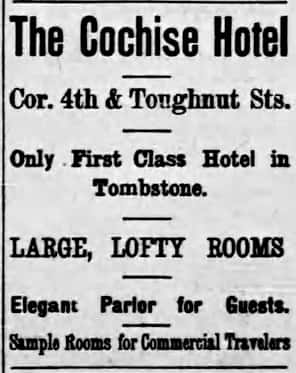
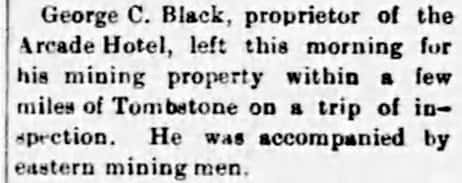
Just after 1900 the building got the protective, decorative metal siding you still see today; by 1909 it was described as “iron clad adobe.” In 1906 the hotel had a new proprietor and a new name, the Arcade.
The Macia family and the Rose Tree Inn
The Macia family bought the hotel in 1919. James and Ethel Macia built the steel-pipe and wood-post trellis that still supports the branches. In 1934 Robert Ripley’s newspaper column “Believe It or Not” declared the bush the world’s largest, and the publicity led the family to rename the hotel the Rose Tree Inn in the mid-1930s.
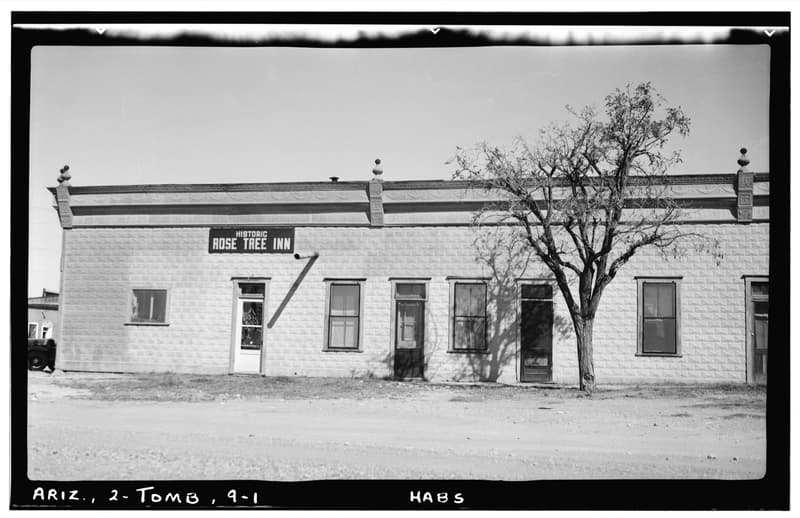
The inn was a popular boarding house until it closed in 1953, and in 1964 the building became the Rose Tree Museum. The rose kept growing all the while and is still thriving.
Visiting the Rose Tree Museum
The Rose Tree Inn isn’t an inn anymore; it’s a museum, and you can stand under this amazing rose and look up through its branches.
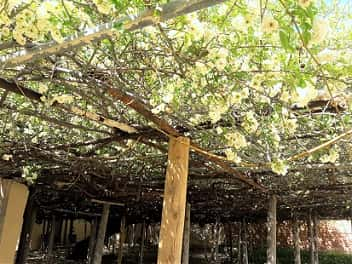
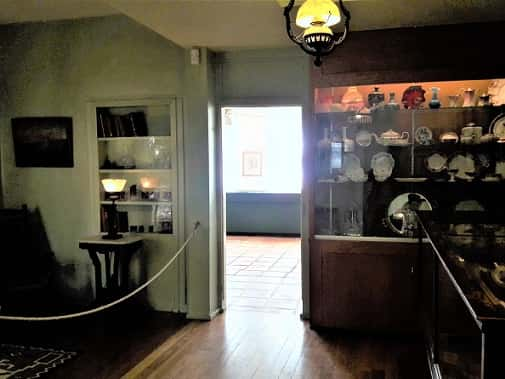
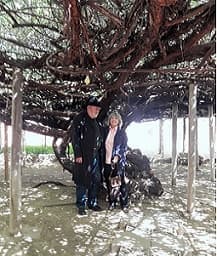
This Tombstone attraction didn’t click with us right away. But once we finally went, we didn’t regret it, and if you haven’t seen it yet, you may feel the same.
Want to grow one yourself? The museum has sold cuttings, and a reader sent us a photo of the one he bought and planted in his yard: see a Tombstone rose bush of his own.
No comments yet