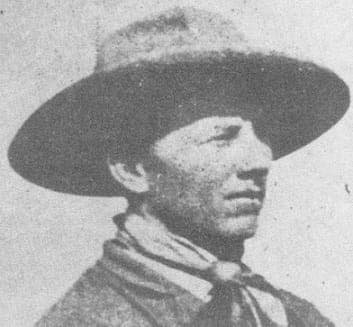
Billy Stiles wore a badge in Cochise County and robbed trains at the same time. He was a smooth talker who switched sides whenever it suited him, broke friends out of the Tombstone jail, and died a lawman in Nevada under another name.
Here’s what we’ve pieced together of his story from the newspapers of the day.
Billy Stiles Had a Good Start
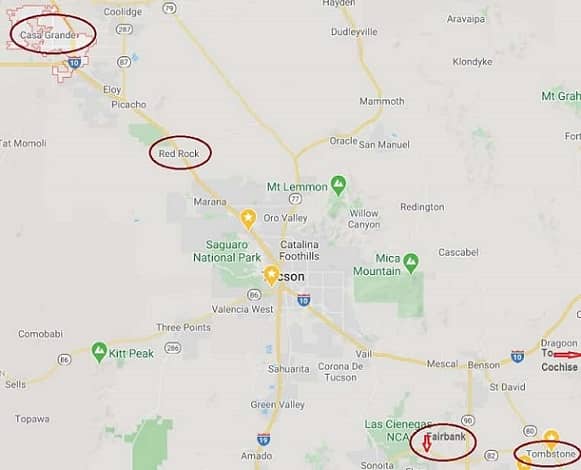
William Larkin Stiles was born in 1871 in Casa Grande, Arizona, about halfway between Tucson and Phoenix, in mostly flat country now known for its cotton fields. He grew up there and learned mining and ranching.
He made the news with a good copper ore strike in June 1896, at 24. Later that year he was deputized onto a posse that ranged as far as Cochise County. By the middle of 1897 he was in the saloon business with Ben Bible. The partners built an adobe saloon on a corner lot in Florence, Arizona.
Law Career in Cochise County
On that posse he worked under Texas John Slaughter. Through that connection, Billy was offered a deputy’s job around 1898. There he met Burt Alvord, who also worked for Slaughter.
Was Billy Stiles heading for the wrong side of the law?
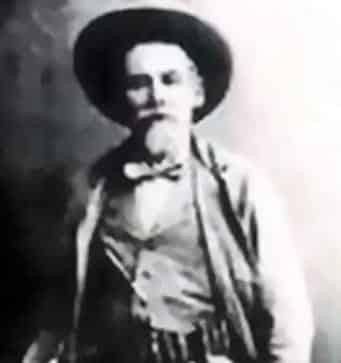
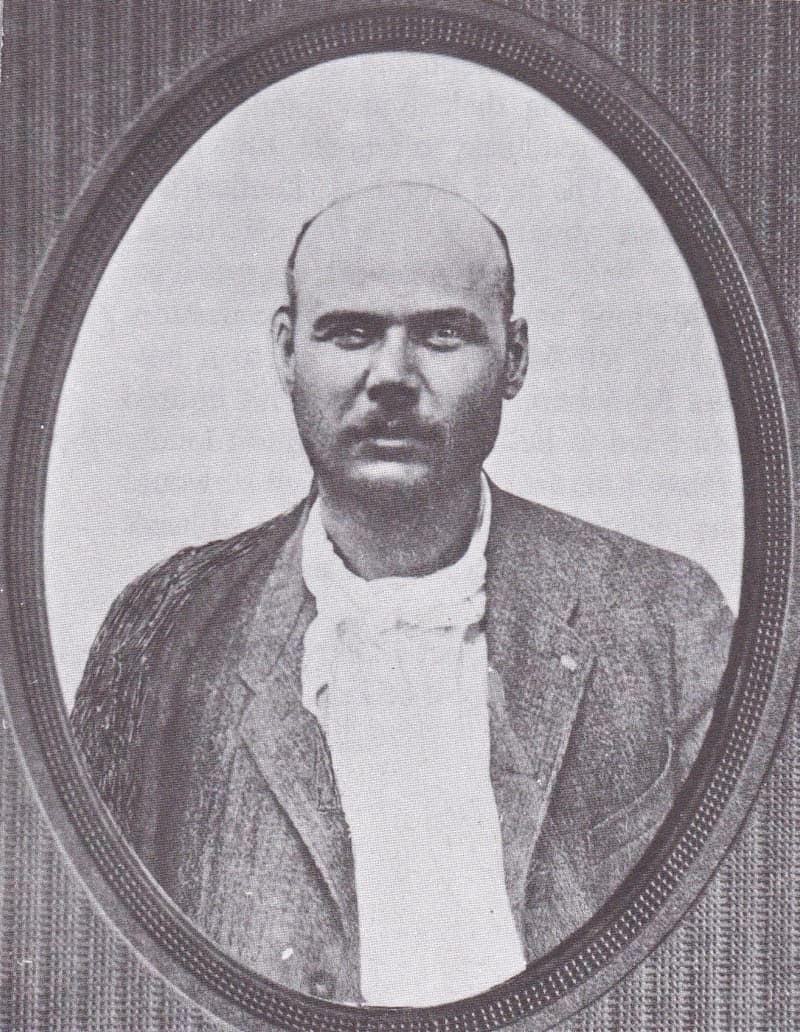
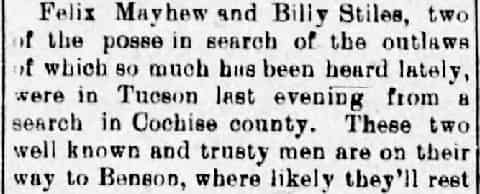
Stiles and Alvord, Train Robbers With Badges
Deputy pay wasn’t steady, and it wasn’t much of a living. Deputies earned a percentage of the license and business taxes and fees they collected, plus fees for transporting inmates and overseeing the jail. Stiles and Alvord saw an “easy route” to extra money.
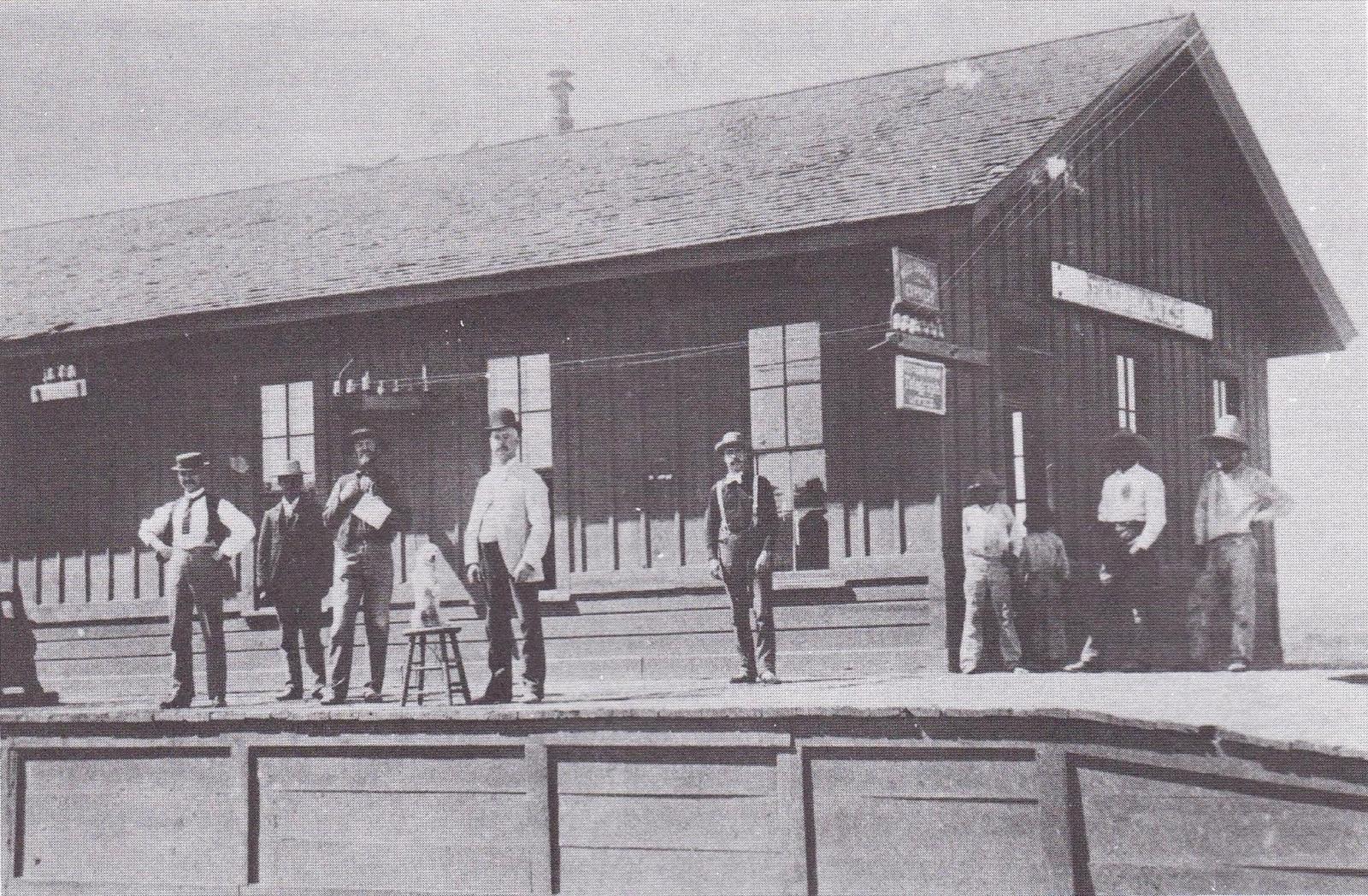
With Matt Burts and Bill Downing, they planned a train robbery. Alvord believed the westbound train would be carrying the payroll for the miners at Pearce. On September 9, 1899, at the station stop in Cochise, Stiles and Burts held up the train, blew open the express safe and made off with the cash, while Alvord stayed in a Willcox saloon with an alibi.
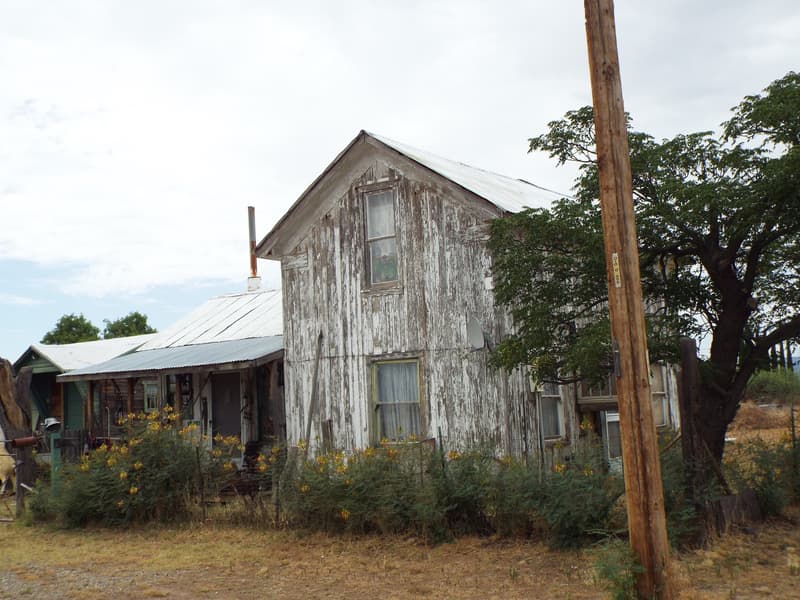

Then these “lawmen” formed a posse to hunt down the train robbers. Somehow they couldn’t track them down. You can imagine why.
The Fairbank Robbery
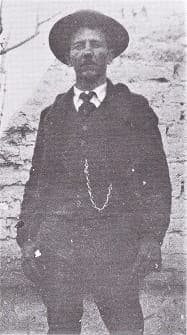
On February 15, 1900, five men tried to rob the train at Fairbank, west of Tombstone. It ended in a shootout. Wells Fargo express messenger Jeff Milton was badly wounded in the arm and shoulder, and he shot gang members “Three Fingered Jack” Dunlap and “Bravo Juan” Yoas. By February 25, all but one of the five were in the Tombstone jail. Our Fairbank guide has more on the town.
Alvord’s Name Surfaces
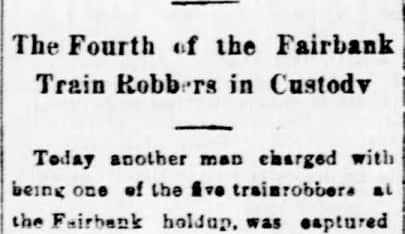
In early March, Wells Fargo detective Thacker arrested Burt Alvord and Bill Downing. Three Fingered Jack had “fingered” them, naming Alvord as the boss, before he died of his wounds in Tombstone.
A few days later, at a court hearing in Tombstone, a man named Mayhew confessed that he had been in on a planned train holdup at Benson, and he implicated Billy Stiles in that plan. Mayhew dropped out of the gang, and the Benson plan was abandoned. Allen English was the defense counsel.
Tombstone Jail Deputy Shot, Prisoners Escape
Stiles was brought in, but he volunteered what he knew and turned state’s evidence to save himself. A smooth talker, he reminded Thacker of his lawman history and talked his way into shifts as a prisoner guard.
On April 7, 1900, Stiles walked into the jail and demanded that Deputy George Bravin release the prisoners. Bravin went for his gun, and Stiles shot him in the foot and leg.
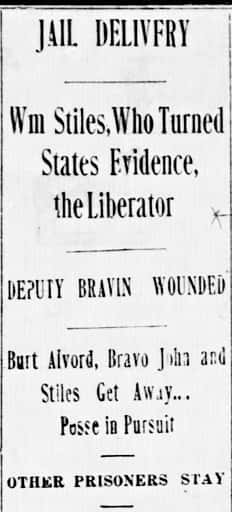
Stiles freed Alvord and Bravo Juan and invited the others out, but the rest, Downing among them, stayed put. The three headed for the Dragoon Mountains, then apparently went west, north and south, stealing three horses along the way.
In early July 1900, Billy showed up in public and was taken into custody. With his slippery wording, he reminded the authorities that he was the state’s witness for an upcoming trial. They sent him to the Yuma prison for “safekeeping.” By early 1901 the trial was over, and he was formally cleared of charges.
By spring 1901, Billy was back to posse work and mining in southeastern Arizona. Alvord and Bravo Juan stayed on the run, mostly in Mexico.
Lawful Again, But for How Long?
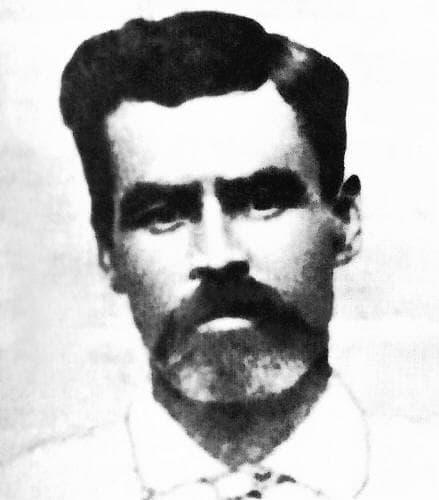
Billy Stiles worked more or less undercover to help Arizona Ranger captain Burton C. Mossman capture the notorious bandit Augustine Chacon in 1902. Then he helped Burt Alvord surrender in Tucson in September 1902.
The following July, a grand jury heard testimony on indicting Alvord. Billy’s testimony brought charges against himself too. He quickly escaped over the border, but he was recaptured when he came back to visit his wife and was jailed in Tombstone.
On December 15, 1903, he and Alvord broke out again, digging right through the cell wall. Cochise County Sheriff Lewis offered a $500 reward for each.
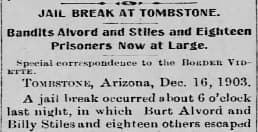
Silver-tongued as ever, he tried to negotiate for the reward money in exchange for giving himself up. But Billy stayed in hiding across the border. Over the next years, rumors of his whereabouts (including that he’d gone to China), his death and sightings came and went: 1904, 1905, 1906, 1907. Then, toward the end of 1908, came credible news.
Billy Stiles’s Last Days in Nevada
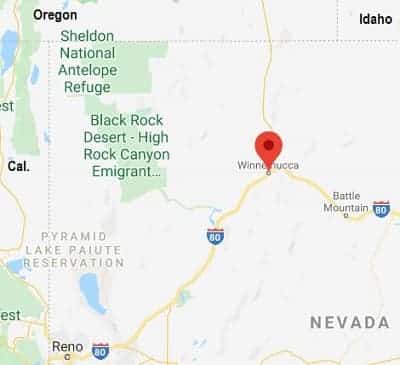
Billy had made his way to northern Nevada. With his persuasive manner and his law experience, he got a job as a law officer in Humboldt County, going by the name William Larkin, or Billie.
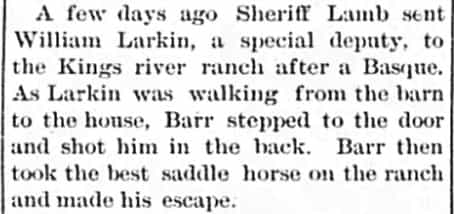
He was serving as a special deputy sheriff when he was killed in the line of duty on December 5, 1908. He was trying to deliver a court summons at a ranch on the Kings River, northwest of Winnemucca, when he was shot.
He was buried in Winnemucca’s old cemetery. It’s now Pioneer Cemetery Park, and the graves were moved; we couldn’t find his grave documented anywhere.
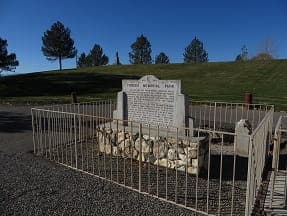
He is, however, listed on a memorial to police officers who lost their lives on duty. He was survived by his mother and his wife, and he was only 37.
So what do you think? Was Billy Stiles a good guy, a bad guy, or something in between? Let us know in the comments.
No comments yet