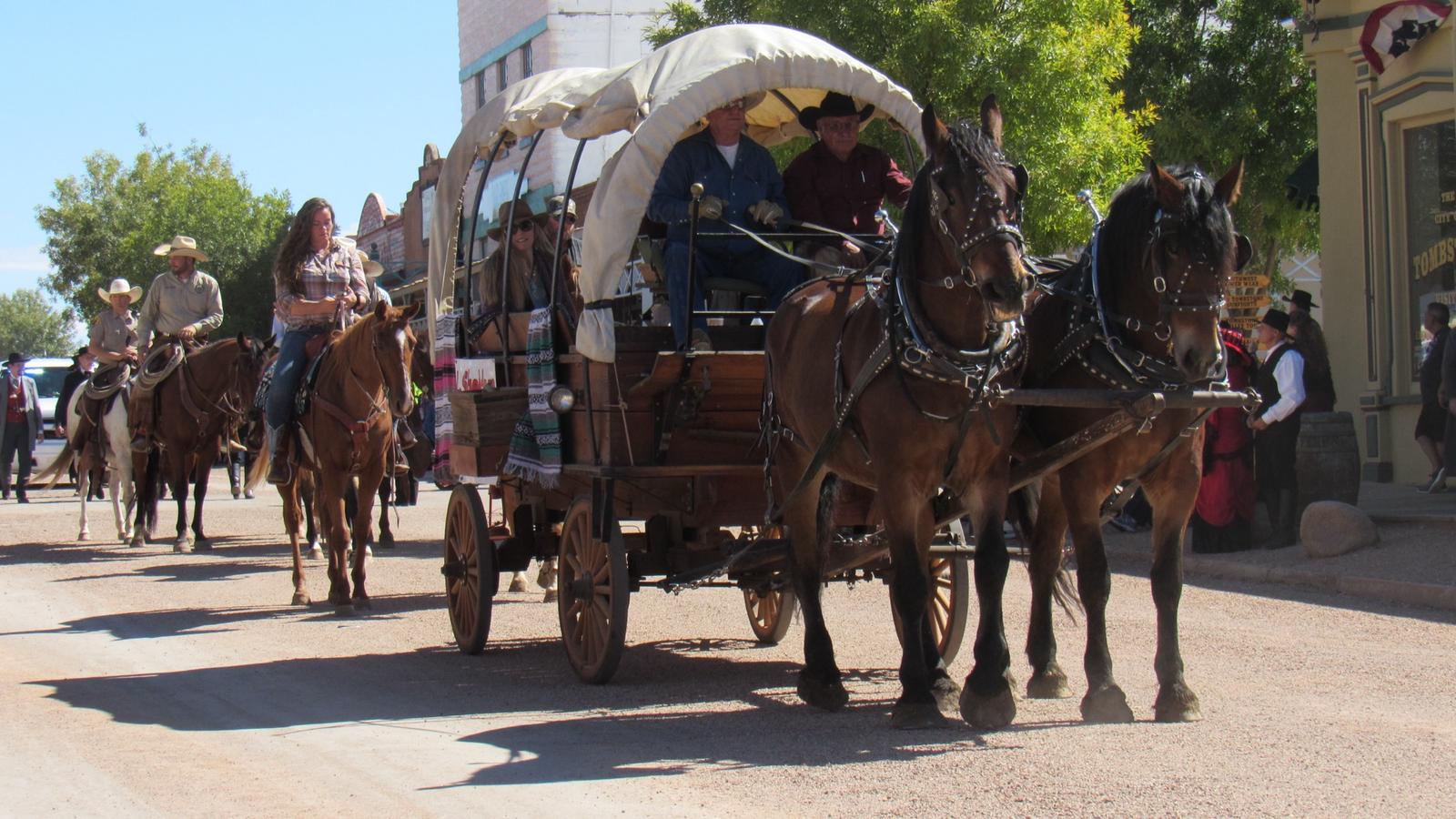
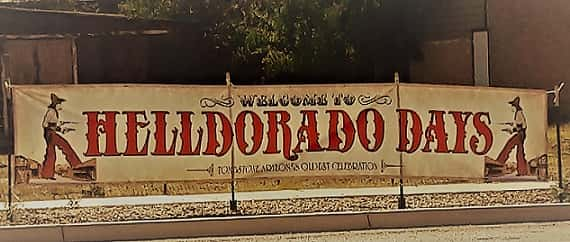
Helldorado Days is Tombstone’s annual October celebration, first held in 1929. The town fills with gunfight re-enactments, music, Old West groups and a parade down Allen Street.
Here is how it began, how it survived the Depression and some lean years, and what to expect today.
The history: how Helldorado began
In the late 1800s and early 1900s, Tombstone’s economy struggled. The silver mines declined, and the population dwindled to about 650 at its low point. Some forward-looking residents didn’t give up and kept looking for ways to bring the town back.
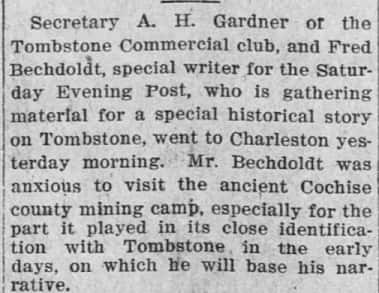
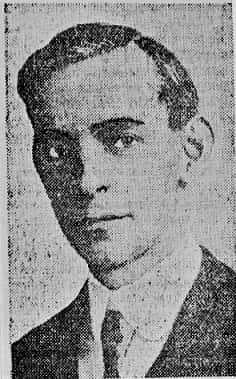
In 1919 the author Frederick Bechdolt published a Saturday Evening Post series featuring Tombstone, followed later by a book. The publicity drew more tourists, which in turn encouraged historic preservation.
In 1926 George H. Kelly became the new owner of the Tombstone Epitaph. His son William, the editor, was keen to promote Tombstone, and he had an idea. 1929 would mark 50 years since Tombstone was founded, so why not celebrate it?
Planning the first Helldorado
With weekly town forums, 24 committees and the city’s backing, the third week of October 1929 was chosen. Tombstone was dressed up to look like the 1880s, except that it was Prohibition, so the saloons served soft drinks.
The Crystal Palace, which had been turned into a theater, and the Bird Cage were restored to their Old West appearance, and historical consultants were brought in for authenticity.
Celebrities of the day were invited: government officials, old-timers from Tombstone’s founding days, pioneer citizens and authors. Local people were encouraged to dress in full 1880s attire, take part in the planned re-enactments, and be on hand for local color and a warm welcome. An opening-day parade was planned.
Newspapers in many areas covered the plans, ads ran in Arizona papers, and publicity articles went out across the U.S. and Canada through the United Press and Associated Press. A Southern Pacific train was arranged to run direct from Phoenix on the Sunday.
The name and the first event
Tombstone had been nicknamed “Helldorado” as early as 1881, when a disgruntled miner used the word in a letter to the Tombstone Nugget. The name got a new lease on life in 1928 with Billy Breakenridge’s memoir of his days as a Tombstone deputy, Helldorado: Bringing the Law to the Mesquite, which carried an introduction by the western novelist William MacLeod Raine. The book was a success and stirred up so much interest that the town took the name for its celebration.
Tombstone was joining other Western towns that celebrated their frontier history, such as Deadwood, Cheyenne and Dodge City. The first Helldorado ran four days, Thursday through Sunday, October 24 to 27, 1929, with big parades on Saturday and Sunday.
Newspapers called it an achievement. Breakenridge was quoted as saying, “Helldorado was a perfect success.” The Tucson Citizen reported that “hundreds of ‘old timers’…flocked to the ghost city…” It counted more than 500 visitors from Tucson and about 7,000 people at Sunday’s finale, though the first two days drew far fewer.
Not everyone was happy. John Clum, founder of the Tombstone Epitaph, came back as Helldorado’s honorary mayor, and he didn’t think the event matched his memory of Tombstone.
And a few days later came Black Tuesday: the first Helldorado took place in the very week of the 1929 stock market crash.
Helldorado through the Depression
Helldorado continued in 1930, still starting on a Thursday. Two years later it was cut back to start on Friday, and a rodeo was now advertised as part of the program, perhaps to draw more people.
Times were hard. A Phoenix newspaper mentioned a minimum entry charge “due to present economic conditions,” and noted that the Bird Cage would be open for Helldorado, as “its doors are closed at all other times of the year…”
In 1933 the event was cancelled. On Labor Day 1934 the scenic road through Chiricahua National Monument was dedicated, and the big celebration included a Tombstone “Helldorado” pageant in place of that year’s event.
In 1935 Tombstone entered a “Helldorado” section in Tucson’s historic non-motorized rodeo parade in February, likely for the publicity. In 1936 a poetry contest was added, with the winner crowned “Poet Laureate of Helldorado” at a pink tea.
In 1937 came the first “Miss Helldorado.” That year’s winner appeared in a short-sleeved white shirt, vest, hat and boots, and short shorts with a ship’s anchor on the right leg; the photo ran in the San Francisco Examiner on June 6, page 88. Surely it pleased some people, but not others. Some said the shorts were “too up-to-date and citified…”
Struggles, but it carried on
Evidence suggests Helldorado continued in some form into the 1940s, and possibly every year since 1929, apart from the 1933 cancellation we found in a newspaper clipping. There may have been some smaller observance that year that we haven’t found.
In March 1960 the Helldorado Corporation met and couldn’t elect new officers because no one was interested, and it was in danger of being disbanded. In July board members were found and elected, and it carried on. By 1962 Helldorado’s profits were said to be a few hundred dollars.
In 1969 the event was in danger again. Interest had lagged the year before, and the planners wondered whether it was worth continuing, so the board polled local businesses. The reply was an “enthusiastic endorsement,” and that year set a “record turnout,” the “largest …ever recorded…”
In 1970 parade chairman Ed Hurley announced that three women would be co-grand marshals of the Helldorado parade, chosen because they had marched in the first parade in 1929. He named them as “Mrs. John Sebring, Mrs. E.M. Webb, and Mrs. Charles Kendall.”
I’m glad they were chosen, but I have to say it: I found out who their husbands were, and not who they were.
Helldorado Days in Tombstone today
Helldorado Days is held over a weekend each October. There’s no entry fee to enjoy the free entertainment on Allen Street: gunfights, historic re-enactments and skits, and music, with many Old West groups taking part. Past years have included a beard and mustache contest, a vintage revolver raffle, and a Sunday parade followed by a cowboy walkdown.
For this year’s dates and schedule, see our current Tombstone events guide.
Historic places and events like this make us curious about the people who lived in Tombstone and the Old West, and what really happened. We enjoy sharing what we find, and we hope to see you in town.
No comments yet