
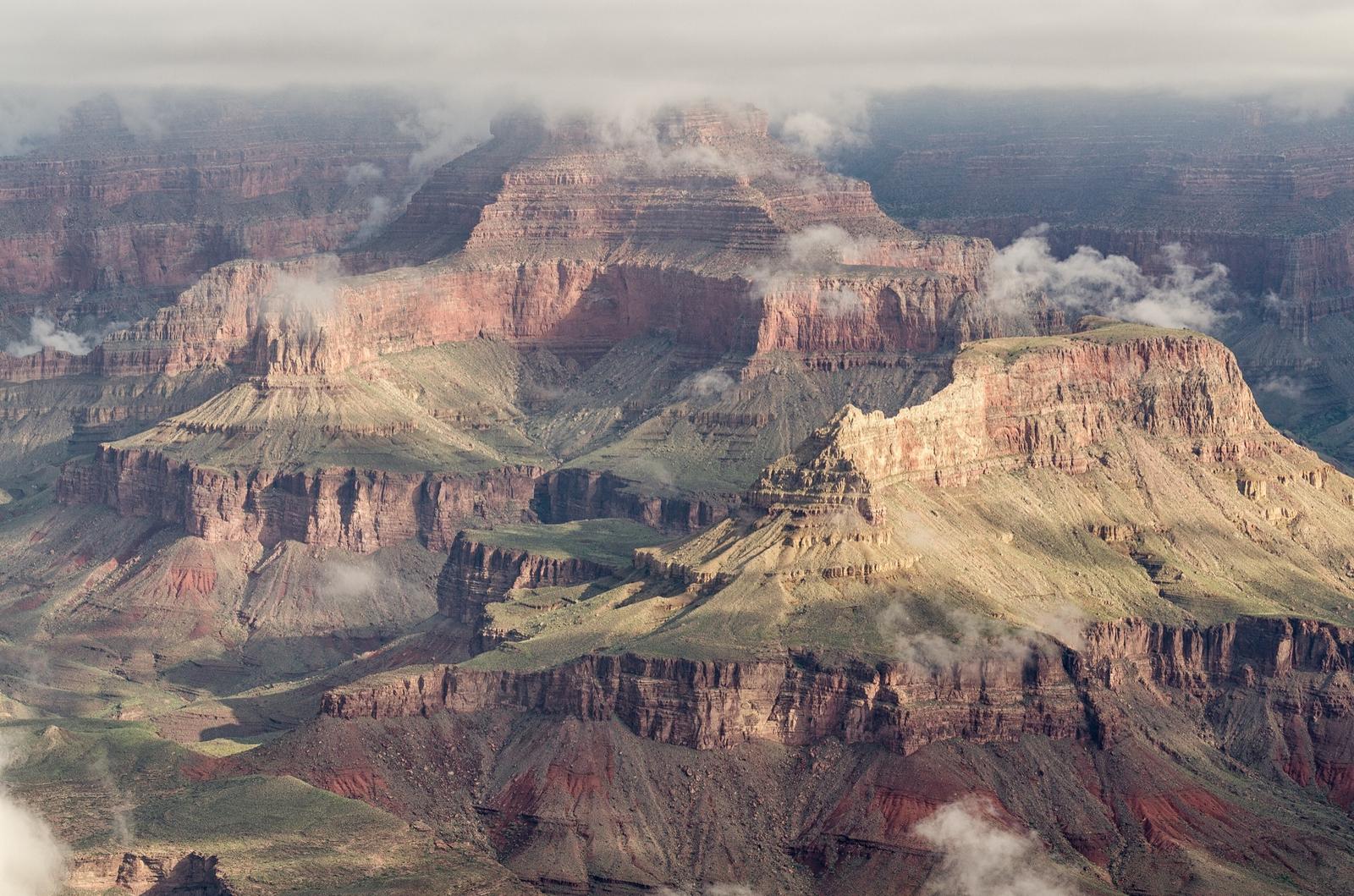
Arizona travel is a unique experience. We live here, and we keep finding sights that stop us in our tracks. If you’re coming for Tombstone, you may want to see more of this breathtaking state while you’re here.
Arizona has remarkably diverse plant and animal life, mountains that give it almost every climate, and cities and towns that each have their own character. Below are the attractions, things to do, deserts, mountains and birding spots we’d point a friend to.
Arizona attractions
Some people think of the Grand Canyon, one of the natural wonders of the world, without realizing it’s in Arizona. It is; we’re the Grand Canyon State, after all. But we have many other attractions, too.
Unique places to visit in Southern Arizona
- Kartchner Caverns State Park: Amateur cavers discovered these immense caverns in 1974, and they became a state park that opened in 1999. When it first opened, visitors had to get on a waiting list. It’s near Benson, off I-10 at Exit 302 (Highway 90).
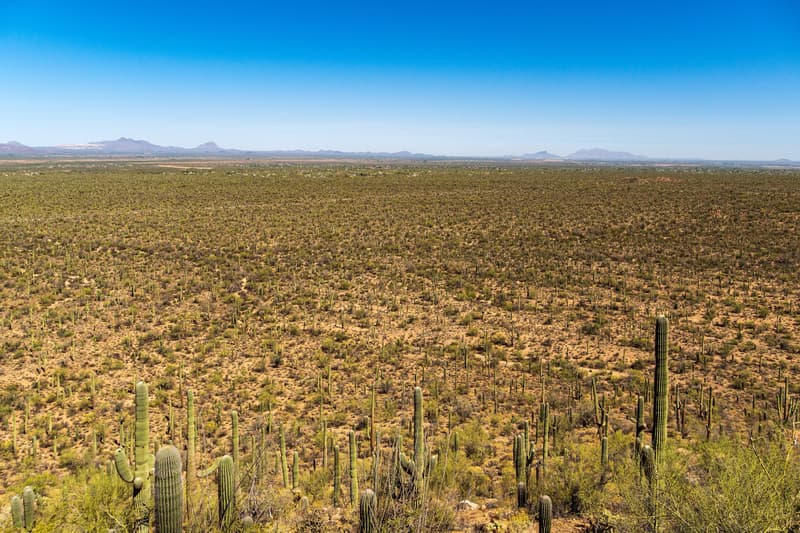
- Saguaro National Park: The giant saguaro cactus is the star here, and this park has plenty of them. Go exploring the cactus forests of this beautiful Sonoran Desert area. The park has two districts, one on the west side of Tucson and one on the east side, each with its own advantages. Why not stay a while in Tucson to enjoy the area?
Northern Arizona
- Meteor Crater: A little east of Flagstaff, off I-40 at Exit 233. A meteorite hit the earth here about 50,000 years ago, and the crater it left is amazing.
- Canyon de Chelly National Monument: On the Navajo Nation in the far northeast corner of the state, it holds the ruins of ancient Puebloan villages built into the canyon walls. The town of Chinle is the gateway, north of I-40 by way of Highway 191.
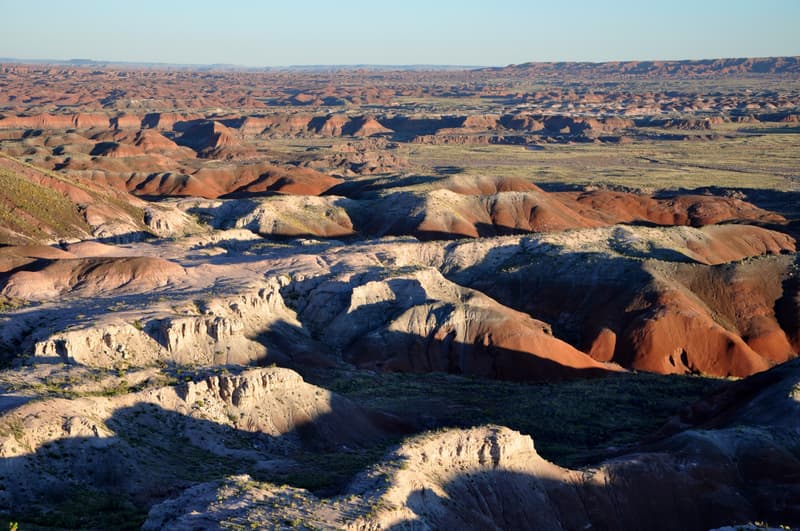
- Petrified Forest National Park and the Painted Desert: In northeastern Arizona, the national park protects colorful badlands and fields of petrified wood. The Petrified Forest is east of Holbrook off I-40, and the colorful Painted Desert badlands stretch across the area to the north.
- Sunset Crater Volcano National Monument: A trail takes you through the lava fields of this old volcano just north of Flagstaff, and Apollo astronauts trained in the volcanic fields nearby. Take Highway 89 north out of Flagstaff to the Sunset Crater–Wupatki loop road.
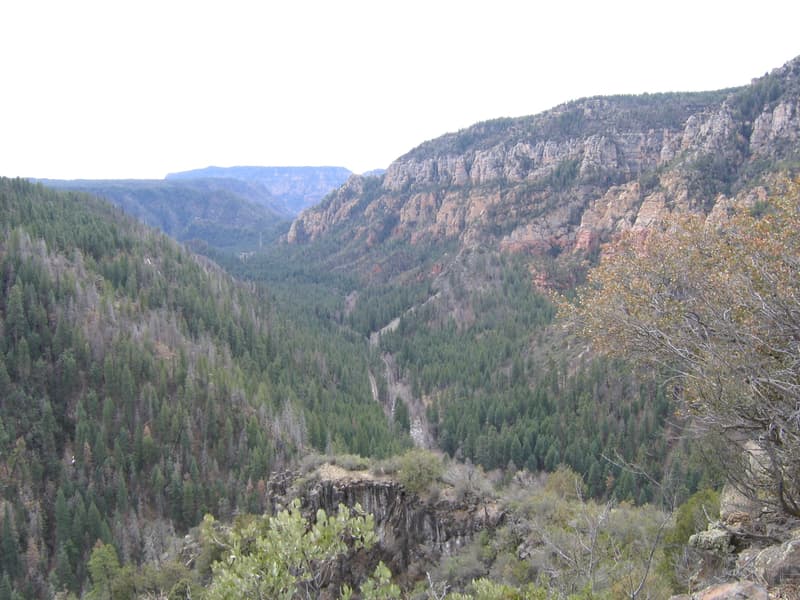
- Oak Creek Canyon: The scenic drive on Highway 89A north out of Uptown Sedona follows Oak Creek up the canyon. It is often rated one of the most scenic drives in the country. The trees contrast with the red cliffs along the way, and at the north end the road climbs switchbacks to an overlook. We’ve driven it many times, and it never gets old.
Around Phoenix and Yuma
- McDowell Mountain Regional Park: Not far outside Phoenix, yet worlds away. Go at night to look up at the stars; the night sky here is good enough for “star parties.” See the park’s history and details.
- The Bridge to Nowhere: An unusual sight near Yuma. The McPhaul Bridge, a suspension bridge named for Yuma resident Henry Harrison McPhaul, was built over the Gila River in 1929 and replaced for traffic in 1968. There’s no river under it now, but the old bridge is still there, an oddity worth a look off Highway 95 north of Yuma.
Things to do in Arizona
There are lots of things to do in Arizona whenever you travel, because you can pick your climate for every season. Our month-by-month list of things to do in Arizona has some different and interesting ideas. To see places you’d never reach on your own, try a 4×4 scenic or adventure tour on Arizona’s back roads.
Around Tucson
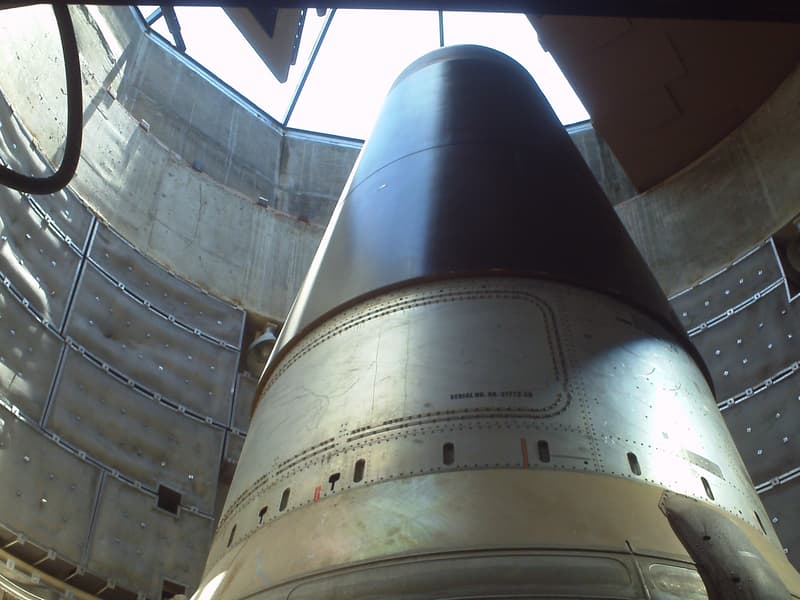
- Titan Missile Museum: Visit an actual missile complex in Green Valley, with a decommissioned Titan II still in its silo. It was on alert during the Cold War, from 1963 to 1982. We took this tour, and it was quite different. Take I-19 south from Tucson to the Duval Mine Road exit.
- Pima Air & Space Museum: See around 400 aircraft, vintage to modern, covering the history of flight and space travel. We’ve been several times, because visiting relatives often want to go, and we always see something new. It’s near Tucson’s airplane “boneyard,” off I-10 at Valencia Road south of downtown Tucson.
- Kitt Peak: Southwest of Tucson, the observatory offers day and night programs. The road climbs switchbacks to the top at nearly 7,000 feet, and the visitor center is on Tohono O’odham Nation land. Take Highway 86 west from Tucson and watch for the turn. Tour the facility, join the night-time stargazing or browse the visitor center. We always love a trip here.
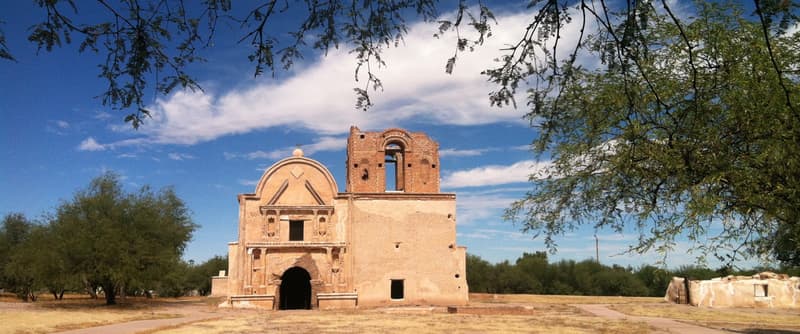
- Tumacácori National Historical Park: It preserves the ruins of three Spanish colonial missions, including the Tumacácori church. It’s south of Tucson off I-19, and the history you’ll see here makes for a wonderful day.
Central and northern Arizona
- Desert Caballeros Western Museum: Old West artifacts and artwork, focused on Wickenburg, where it’s located, and on Arizona. It’s a few blocks from the center of Wickenburg and has an area for kids.
- Children’s Museum of Phoenix: Hands-on, fun learning activities for young kids, at 215 N. 7th Street, at the corner of East Van Buren, in downtown Phoenix.
- Lowell Observatory: Founded by Percival Lowell in Flagstaff in 1894. It has day and evening programs and a visitor center. Signs direct you from downtown Flagstaff.
- Wupatki National Monument: Pueblos of the Sinagua people along a scenic drive north of Flagstaff, past Sunset Crater on the same loop road. Take a whole day to see these fantastic ruins. One site even has a natural blowhole that breathes air in and out.
- Grand Canyon Railway: Out of Williams, off I-40 west of Flagstaff. The line to the Grand Canyon opened in 1901, and the scenic ride takes a little over two hours each way, with entertainment.
Western Arizona
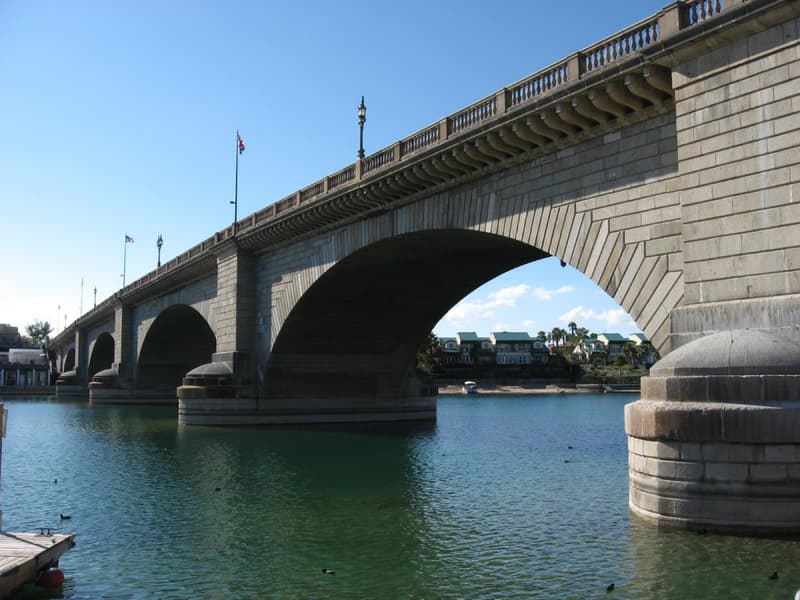
London Bridge: What, in Arizona? Yes. The City of London decided its old bridge wasn’t fit for modern traffic, and it was put up for sale. Lake Havasu City founder Robert McCulloch bought it, and it was taken apart and rebuilt in Lake Havasu City over the Bridgewater Channel. We’ve walked the area, and there are interesting shops, too.
Arizona deserts
We love the scenery right outside our door, and we’re always having our own desert adventures. Arizona has four deserts:
- Chihuahuan Desert: We live in it, here in Tombstone.
- Sonoran Desert: Our favorite. We lived in it, too, for many years.
- Mojave Desert: Some very unusual features.
- Great Basin Desert: Fantastic scenery in this high desert.
Have you always thought of deserts as barren places, rolling sand hills with an oasis off in the distance? That may be true of some deserts, but Arizona’s are full of plant and animal life, a sight for your eyes and your camera.
Arizona mountains
You’ll find two kinds of mountains in Arizona: the high country ranges and the sky islands. Both offer cool, clear air, camping and hiking, and a change of pace from the desert. Arizona desert dwellers love these getaways.
The high country
- Mogollon Rim: A great escarpment running about 200 miles east to west across central Arizona, rising to around 8,000 feet, with ponderosa pine forest on top. Payson, Pine and Strawberry are among the towns near the rim.
- White Mountains: High country in east-central Arizona toward the New Mexico line, above the eastern part of the Mogollon Rim. The Fort Apache Indian Reservation is here. Mount Baldy is the highest summit, at 11,409 feet. Pinetop-Lakeside, Greer, Springerville, Heber-Overgaard and Whiteriver are among the towns.
- Bradshaw Mountains: In central Arizona south of Prescott, between the Agua Fria and Hassayampa rivers. They aren’t as high as the other ranges and drop down into desert grassland. The highest peak is Mount Union, at 7,979 feet. Quite a few old mining camps are scattered through the range, including Bumble Bee and Crown King; see our ghost towns page for more.
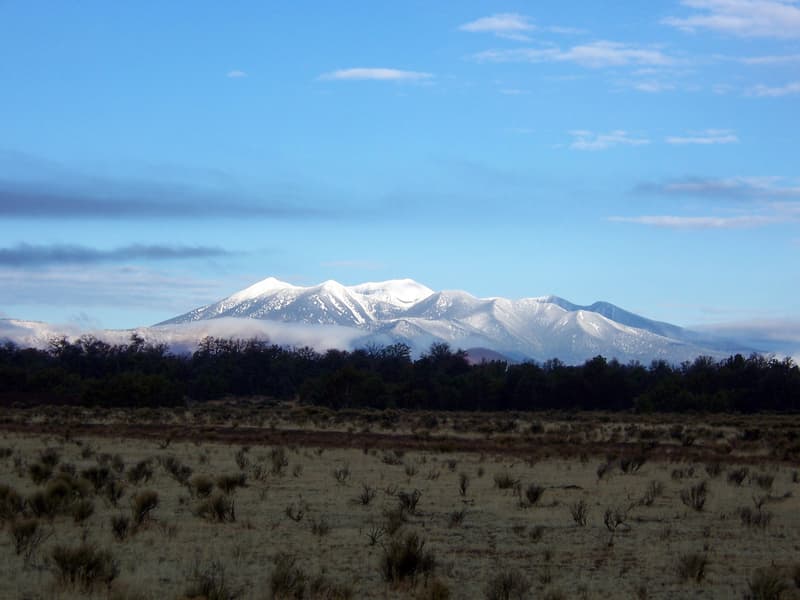
- San Francisco Peaks: This range north of Flagstaff has Arizona’s highest mountain, Humphreys Peak, at 12,633 feet. The Arizona Snowbowl ski area is here. The peaks hold four life zones: ponderosa pine forest, mixed conifer forest, subalpine conifer forest and alpine tundra.
The sky islands
- Santa Catalina Mountains: They edge the north and northeast side of Tucson, a gorgeous backdrop to the city. The highest point, and a popular escape from the desert heat, is Mount Lemmon, at 9,157 feet, where it can be as much as 30 degrees cooler than the desert floor. The village at the top is Summerhaven, and nearby is Mount Lemmon Ski Valley, billed as the southernmost ski area in the continental United States.
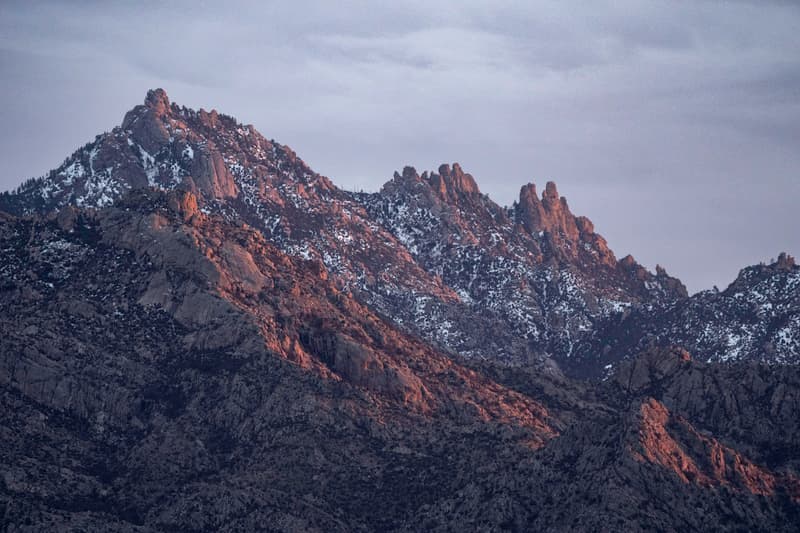
- Santa Rita Mountains: About 40 miles southeast of Tucson, a little under two hours’ drive from Tombstone. The highest peak is Mount Wrightson, a popular hiking challenge at 9,453 feet. Trails start in Madera Canyon.
- Huachuca Mountains: In the Coronado National Forest, along the western edge of Sierra Vista and Hereford, about a 40-minute drive from Tombstone. The highest point is Miller Peak, at 9,466 feet, and part of the range is on Fort Huachuca. The high elevations have ponderosa and Apache pine forest, and there are many hiking, camping and birding opportunities. Ramsey Canyon is especially known for hummingbirds.
- Chiricahua Mountains: In the far southeastern corner of the state, with the Pedregosa, Swisshelm and Dos Cabezas Mountains close by. Fort Bowie National Historic Site is at Apache Pass, at the north end of the range. Many Indigenous peoples lived in the area over the centuries, including the Chiricahua Apache, for whom the range is named. The highest point is Chiricahua Peak, at 9,759 feet. The range climbs from desert grassland to ponderosa pine and Douglas fir, with many hiking and camping possibilities.
- Pinaleño Mountains: This range beside Safford takes you through climate zones as if you were driving from Mexico to Canada. The road climbs most of the way to the top, with stunning views. The high point, Mount Graham, is 10,720 feet.
- Rincon Mountains: This range borders the eastern edge of Tucson, another scenic backdrop to the city. Much of it lies within Saguaro National Park’s eastern district, which has a driving loop and a visitor center. Most of the range is wilderness with primitive camping and hiking, within the park and the Coronado National Forest.
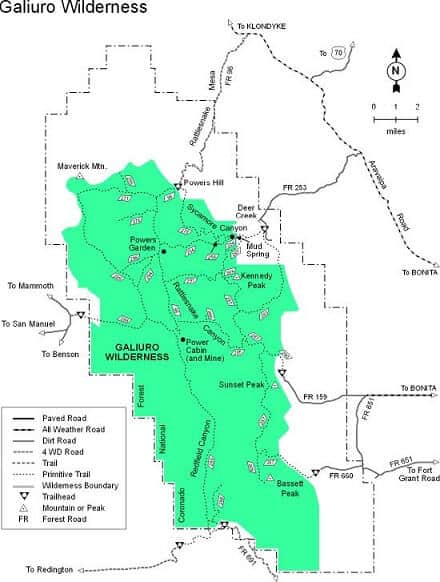
- Galiuro Mountains: Next to the gorgeous wilderness of Aravaipa Canyon and Aravaipa Creek. Driving north out of Tucson toward San Manuel, you’ll see the range in the distance. Bassett Peak is the highest, at 7,663 feet. A hike takes you to the Power cabin, home of the family involved in the infamous 1918 Power brothers shootout.

- Granite Mountain: In the wilderness of the same name in the Prescott National Forest, part of the small Sierra Prieta range west of Prescott.
- Mingus Mountain: In the Black Hills range, separating Cottonwood and Jerome from Prescott Valley and Prescott. It’s probably the best-known peak in the Black Hills, but not the tallest.
- Cerbat Mountains: A small range north of Kingman, the highest in that area. The top is Mount Tipton, at 7,153 feet. It’s rugged country without many marked trails, but old mining roads and washes lead toward the peak.
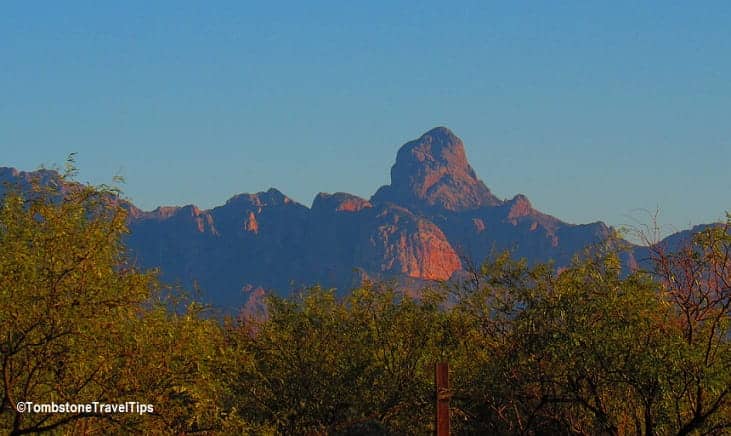
- Baboquivari Mountains: About 50 miles southwest of Tucson, a wilderness area on the eastern edge of the Tohono O’odham Nation. Baboquivari Peak is sacred to the Tohono O’odham people as the home of the creator, Iʼitoi. It’s also the range’s highest point and very distinctive, at 7,730 feet.
Arizona bird watching
Arizona has first-rate birding. Its habitat and climate suit migrating hummingbirds, some endangered birds find room here, and specific species depend on its many micro-climates and micro-habitats. The state’s bird list runs to more than 550 species, counting those that live here at least part of the year and occasional visitors from Mexico.
Chiricahua Mountains and Portal
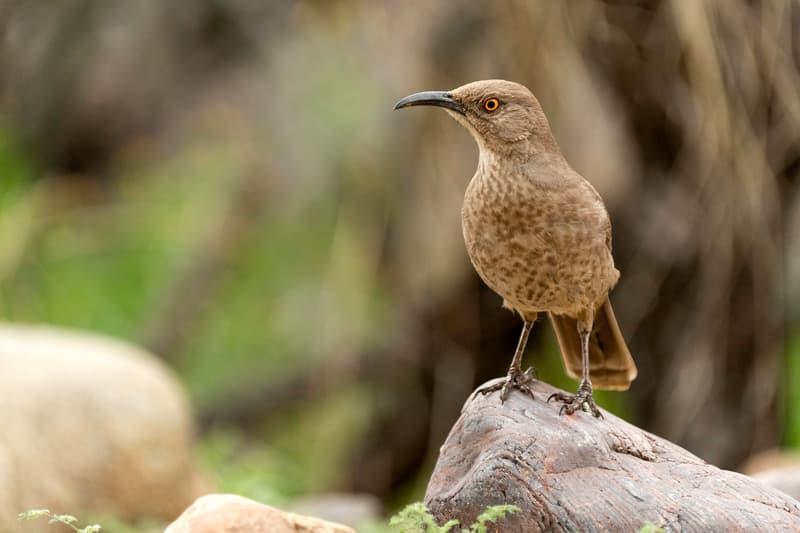
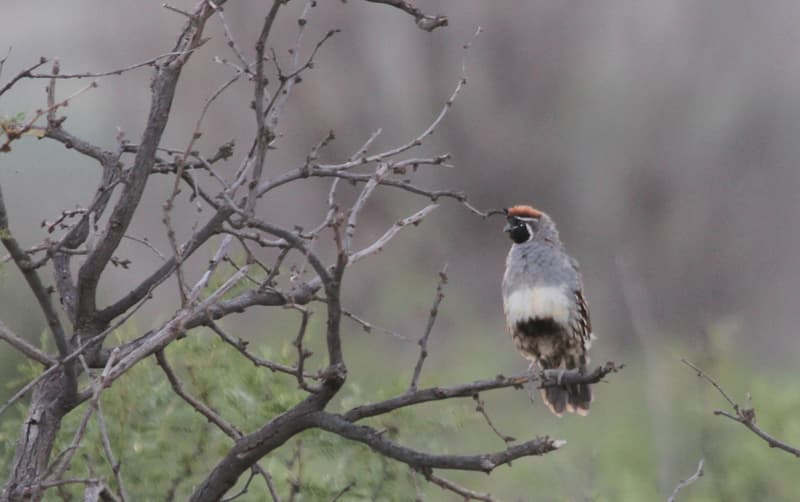
The many elevations and climates here give lots of birding options. Try Cave Creek Canyon, Onion Saddle, Rustler Park or Barfoot Park. Around Portal, an exquisite place in itself, watch the desert scrub for Gambel’s quail, lesser nighthawk, ladder-backed woodpecker, black phoebe, brown-crested flycatcher, Bell’s vireo, bridled titmouse, verdin, curve-billed thrasher, phainopepla, Lucy’s warbler, Cassin’s sparrow and black-throated sparrow.
San Pedro Riparian National Conservation Area
There are good spots along about 40 miles of the San Pedro River as it flows through Cochise County. The San Pedro House, off Highway 90 between Sierra Vista and the river, is a good place to start; when it’s open, volunteers inside can give you tips, and a river trail begins there. Watch for Gambel’s quail, gray hawk, green kingfisher, Gila woodpecker, black phoebe, vermilion flycatcher, Cassin’s kingbird, curve-billed thrasher, Lucy’s warbler, yellow warbler, Abert’s towhee, blue grosbeak and lesser goldfinch.
Huachuca Mountains
The Huachucas are famous for the number of hummingbird species you can see, plus rarely sighted birds such as the elegant trogon, eared quetzal and flame-colored tanager.
- Ramsey Canyon Preserve: Owned by The Nature Conservancy, with trails for serious birding.
- Miller Canyon: Beatty’s Guest Ranch is privately owned and charges a small entry fee. Feeders around the property draw hummingbirds, and it is famed as one of the best hummingbird spots in the country, with as many as 14 species seen in a day. It’s on Miller Canyon Road off Highway 92 in Hereford, and it has rental cabins. Contact the ranch before you go.
Tucson area
Several places around Tucson attract birds. Reid Park, the main city park, draws wintering waterfowl, and so does the pond at Agua Caliente Park on the far northeast side.
Sweetwater Wetlands Park is another spectacular spot. Its marshy ponds of reclaimed wastewater attract ducks and wading birds, and the insects draw flycatchers, swallows and nighthawks. You may also see grebes, cormorants, Harris’s hawk, Gila woodpecker, ladder-backed woodpecker, verdin, marsh wren, curve-billed thrasher, Abert’s towhee, yellow-headed blackbird, Virginia rail and sora. A west entrance opens from the paved bike path along the east bank of the Santa Cruz River.
California condors in northern Arizona
The California condor is an endangered species and has been among the most precarious birds anywhere. By 1987 only 22 were left, all in captivity. Captive-bred condors were released in California in the early 1990s and in northern Arizona starting in 1996, and the population has grown since.
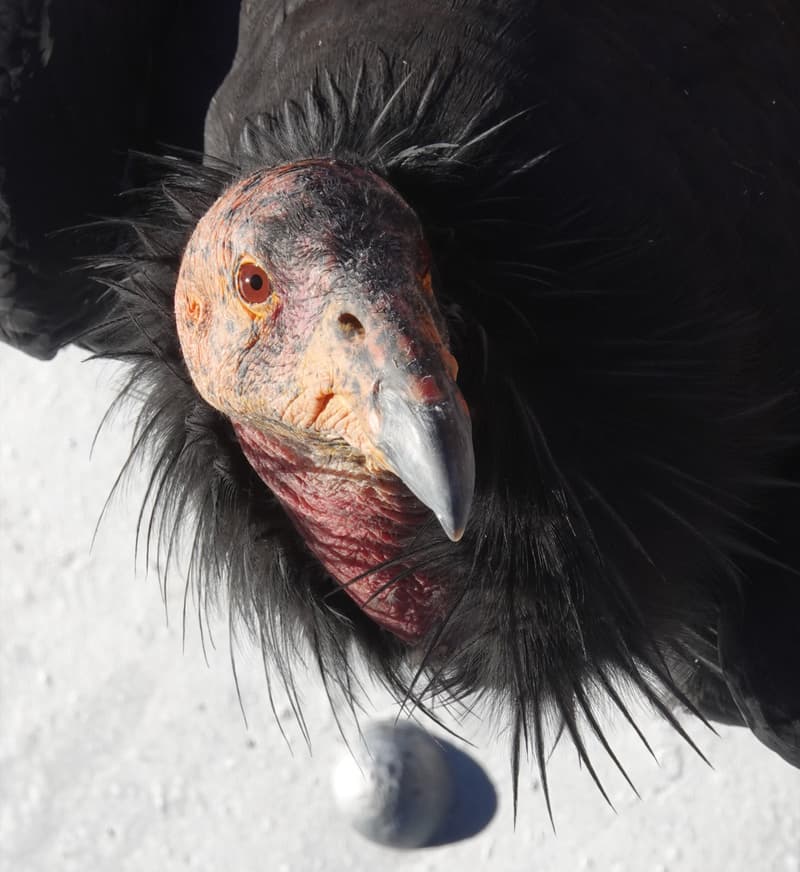
- Vermilion Cliffs: The Condor Viewing Site is on House Rock Road, off Highway 89A in Vermilion Cliffs National Monument.
- Grand Canyon: In the warmer months, condors are seen regularly from the South Rim, especially around Grand Canyon Village.
Please help save the condor and other birds by avoiding lead bullets. Lead poisoning is the biggest challenge to the condor’s recovery, and the National Park Service has more on California condors at the Grand Canyon and how hunters can help.
Traveling Arizona and the West
Since we live in Arizona, it’s fairly easy for us to plan a road trip through the western states. There’s a lot of fantastic scenery in the West, and a lot of interesting Old West history.
No comments yet