
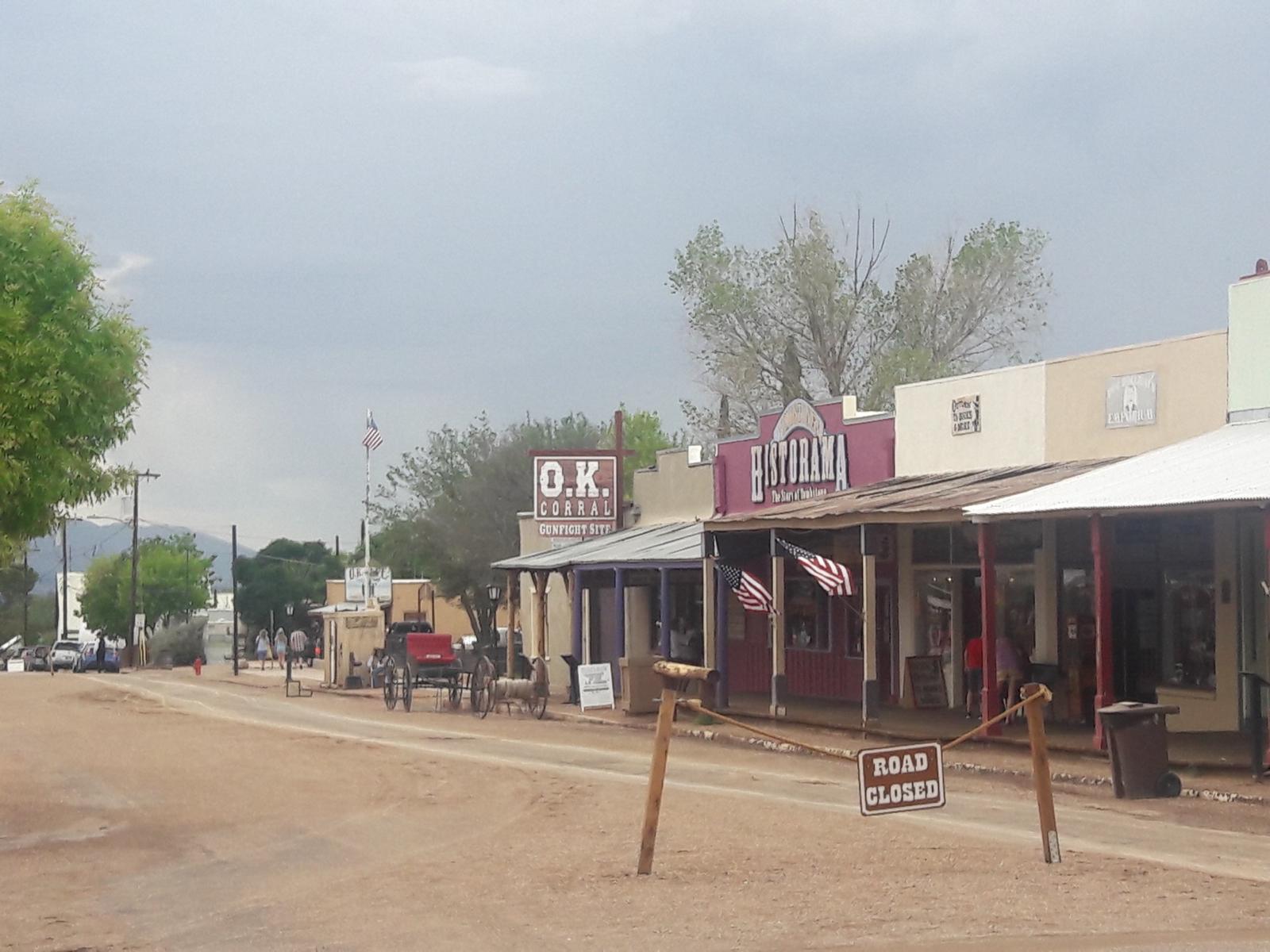
Every October, when Tombstone remembers the Gunfight at the O.K. Corral, one name comes up again and again in the story of its aftermath: Wells Spicer. He was the justice who decided whether the Earps and Doc Holliday would stand trial for murder.
His career spanned the law, mining, politics and journalism, and his life before Tombstone was nearly as dramatic as the hearing that made him famous.
Early Life
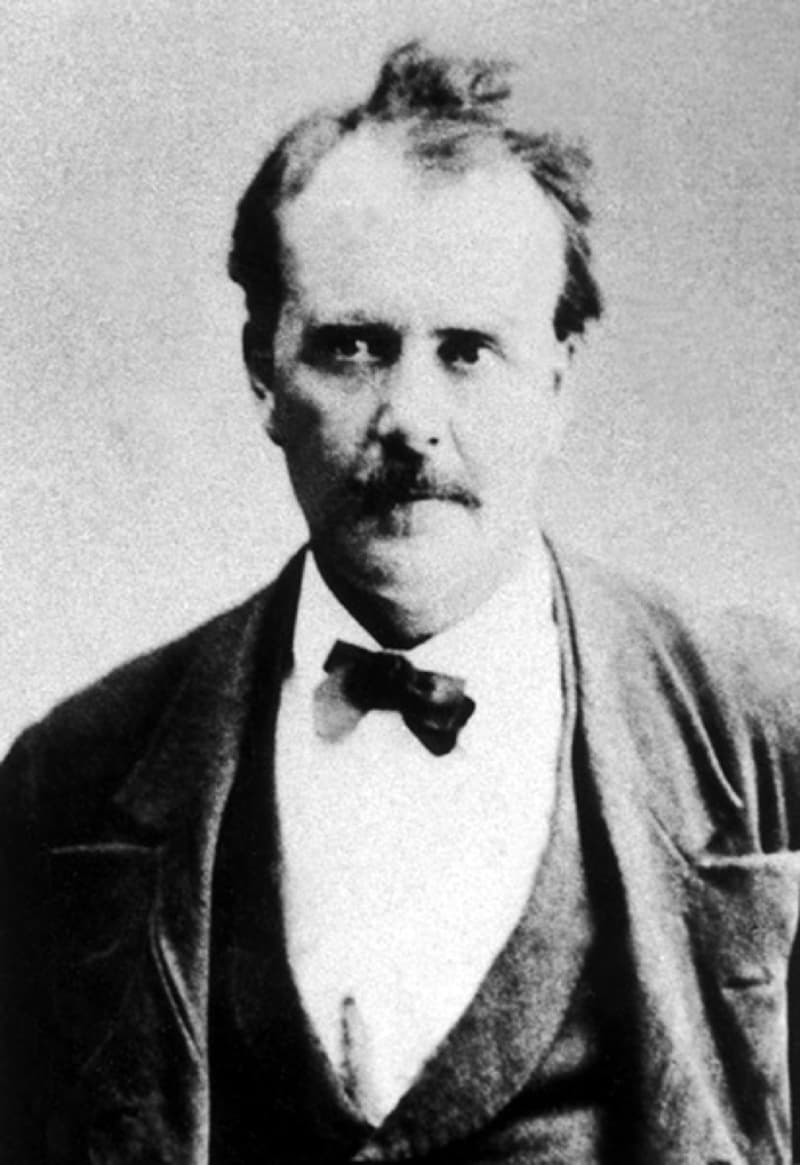
Spicer was born in 1831 in Chemung, New York, to farming parents. When he was about nine, the family moved to Iowa. He clerked for a judge as a young man and was admitted to the Iowa bar in 1853. At about 25 he married, and a year later he had a son.
By 1870 the family was in Utah Territory. Spicer was admitted to the bar there and got into mining in the Beaver and Minersville area. His marriage was troubled, and by 1876 he and his wife had separated.
Defending John D. Lee
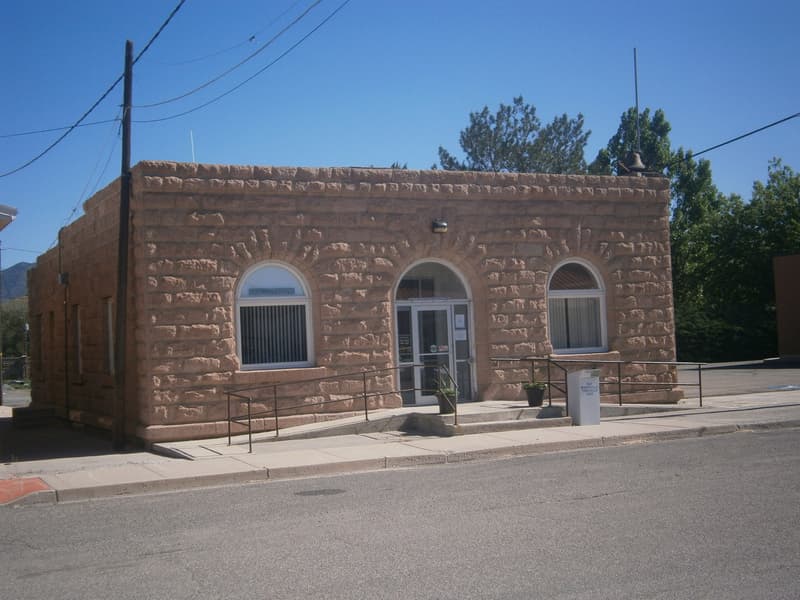
John D. Lee was arrested for taking part in the Mountain Meadows Massacre, the mass killing of a wagon train of emigrants bound from Arkansas to California. The killings involved a Mormon militia, of which Lee was a member, allegedly working with Paiutes. Lee and his accomplices were jailed near Beaver, and the trials were held in Beaver, Utah, not far from Minersville.
Somewhere in his travels Spicer had met Lee, and Lee sought his legal help. Spicer put together a defense team. His own part of the defense focused on motive: religious fervor overwhelming common sense.
No church members testified against Lee, and the jury had eight Mormons and four non-Mormons. Spicer took heat from all sides. The church felt insulted by his defense, while others were angry that he defended Lee at all and called him a “Jack Mormon.” The trial ended in a hung jury.
At the second trial, only Lee was charged, and the jury was entirely Mormon, so church officials escaped blame. Lee was found guilty. Spicer appealed to the Utah Supreme Court without success, then asked the governor for clemency. It was denied because Lee wouldn’t confess; he felt he was a scapegoat.
For all the details, see this page on the Mountain Meadows Massacre trials of John D. Lee.
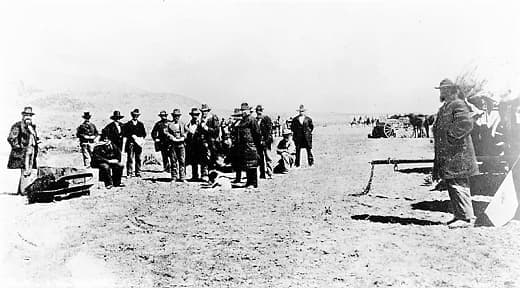
On March 23, 1877, Spicer watched John D. Lee executed by firing squad at Mountain Meadows. Spicer served as U.S. Commissioner for Utah Territory until 1878. He had taken to calling himself “the unkilled of Mountain Meadows,” and we can see how the case weighed on him. Soon afterward he left for Arizona.
Wells Spicer in Arizona
With his newspaper experience, Spicer’s first position in Arizona was with Tucson’s Arizona Daily Star.
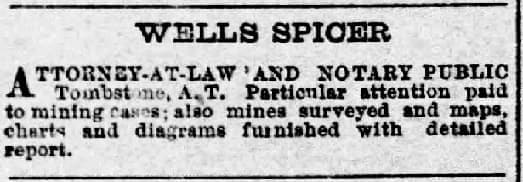
Mining interests took him to Tombstone, where he was able to practice law. His practice included California notary and deed work, and he was agent for the New Boston Townsite Company.
In June 1880 Spicer was named a justice of Arizona Territory’s First District Court. His jurisdiction covered customs and internal revenue laws and U.S. criminal cases.
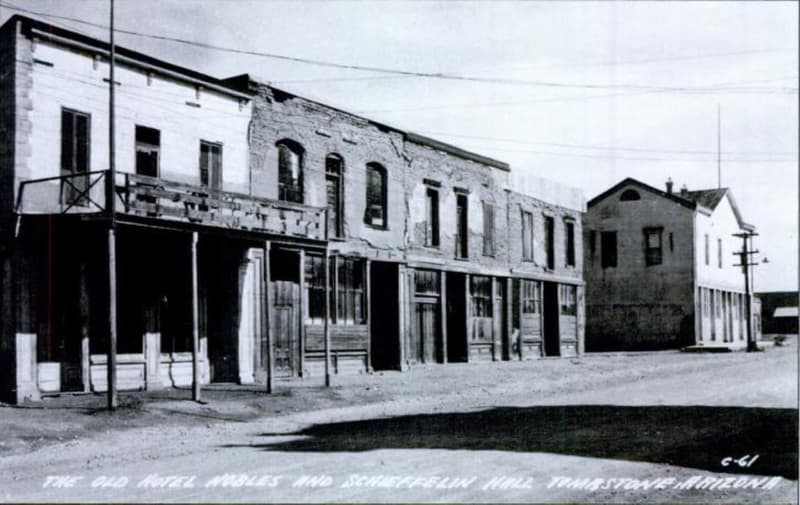
His court wasn’t in the historic courthouse in Tombstone that we know today. It was in a building that no longer stands, on the west side of 4th Street between Allen and Toughnut Streets.
Spicer’s Most Famous Tombstone Case
The Gunfight at the O.K. Corral brought a contentious aftermath to Tombstone. A coroner’s inquest heard testimony from nine witnesses and gave a neutral finding on the deaths of Billy Clanton and the McLaurys. Then Ike Clanton filed first-degree murder complaints against the Earps and Doc Holliday, and warrants followed.
Spicer conducted the preliminary hearing to decide whether the murder charges were justified and a trial was needed. Officially titled “Territory of Arizona vs. Morgan Earp, et al., Defendants,” it took nearly every waking hour of his for the whole month of November. He gave his decision on November 30, 1881.
He explained his reasoning about the witness testimony and his view of the circumstances. He went into the history of the relationships involved and some of the physical evidence, and he cited the relevant law and what was expected of lawmen.
Then he gave his decision: the “evidence… in this case, would not, in my judgment, warrant a conviction of the defendants by trial jury…. I do not believe that any trial jury would… find the defendants guilty of any offense.”
He pointed out that the grand jury was then in session and could call its own witnesses and disregard his findings. He then ordered the Earps and Holliday released. It wasn’t a popular decision with everyone, and many felt he was an Earp partisan.
The grand jury did not overrule Spicer’s findings, and the Earps and Doc Holliday remained cleared. A historical look back at the whole hearing is a story for another article.
The Hearing’s Aftermath
The town’s two newspapers took opposite views, of course. The Tombstone Epitaph praised Spicer’s decision, and The Tombstone Nugget thumbed its nose.
Spicer received a hostile letter from “A Miner” dated December 13, 1881. It advised him to “take your departure for a more genial clime,” warned that “you are liable to get a hole through your coat” and “as you are allowed to dispense Justice… the sooner you depart from us the better…,” and ended with “so you will get it sooner or later…”
He said he wasn’t intimidated. Over the next several years he concentrated on his mining interests.
A Sad Ending
First came the separation from his wife, though he always still called himself a married man. Then the Utah case brought him much grief, followed by the reaction to his decision on Tombstone’s infamous gunfight. Over the years it all seemed to take a toll on him.
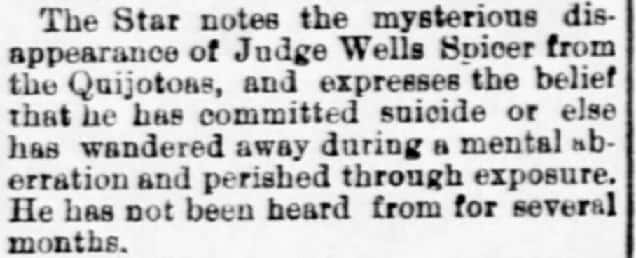
No one knows for certain what became of him. After his mining venture at Quijotoa failed, he went off into the desert in early 1887 and was never seen again. Many believe he took his own life, as he had said he planned to. Another theory holds that he went to Mexico and died there. His body and grave have never been found.
Places and events like these make us curious about the real people who roamed Tombstone and the Old West, and we enjoy sharing what we find. If you’re planning a visit around the gunfight anniversary, see our current Tombstone events guide.
No comments yet